Nachos: The Invented Tradition
Every food has a story. Most have a thousand years of evolution. Nachos? Born in 1943 at a single moment of improvisation in a small café near the Texas-Mexico border. What makes this story fascinating is not how old nachos are, but how young they are—and yet how deeply they’ve embedded themselves in American culture.
The Origin Myth
Piedras Negras sits just across the river from Eagle Pass, Texas. A strategic location for food invention.
The year was 1943. The location: the Victory Club (also called Nacho’s Restaurant), in Piedras Negras, Mexico, just across the Río Grande from Eagle Pass, Texas. A group of military wives from the nearby base—hungry, adventurous, probably tired of official dining—wandered into the restaurant after it had technically closed for the evening.
Rather than turn them away, the owner (Ignacio “Nacho” Anaya) improvised. He took the kitchen’s remaining ingredients: tortilla chips, melted cheese, sliced jalapeños—and created something entirely new.
The dish was named after its creator: los nachos de Ignacio became simply nachos.
But here’s where it gets complicated: nearly every element of this story has been questioned, refined, disputed, and occasionally reinvented by food historians. Was it really 1943? Was Ignacio Anaya the true creator, or one of several innovators working in the same border region? Did it matter?
The Great Cheese Question
As nachos spread northward into Texas, California, and eventually everywhere, they began to change. The original, simple version—chips, cheese, jalapeños—was just the beginning.
What followed was ingredient proliferation. Some added beans. Some added meat. Some added sour cream, guacamole, salsa, olives, onions. Each region, each restaurant, each home cook claimed their version was the real nacho.
This is where the Nacho Wars began.
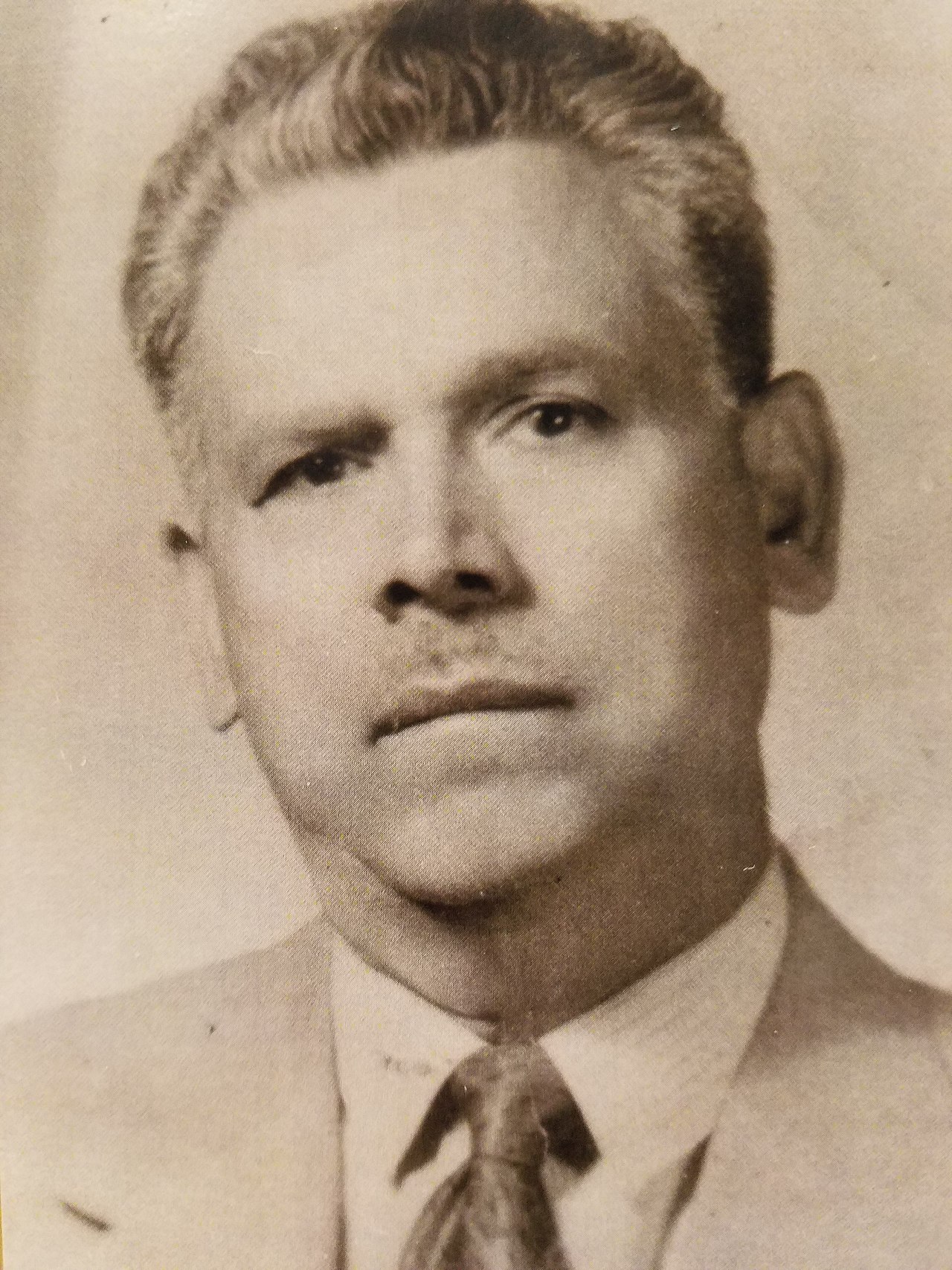
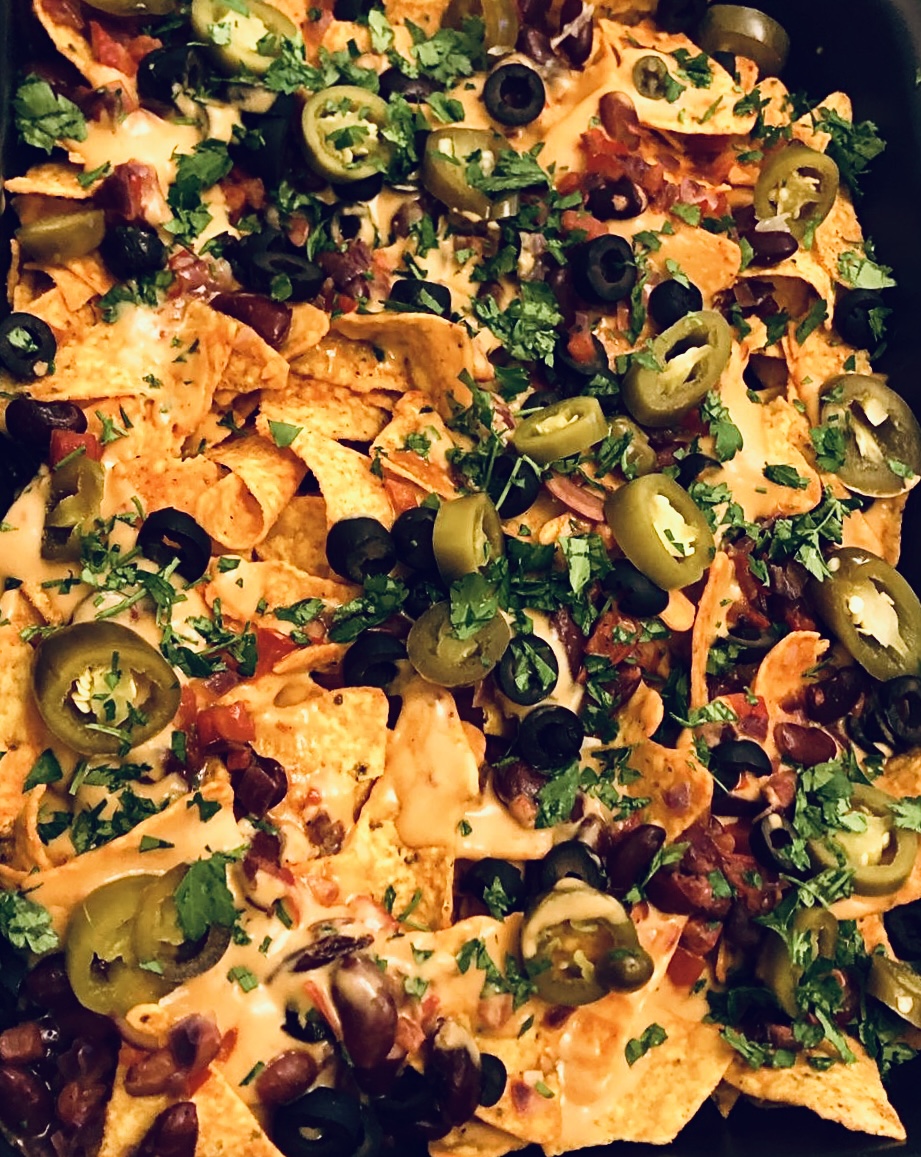
The variations tell a story about American food culture itself:
- The loaded nacho (everything on it) represents American maximalism.
- The minimalist nacho (cheese only) represents purist nostalgia.
- The upscale nacho (pulled pork, artisanal cheese, microgreens) represents food gentrification.
Each is authentic to some version of nacho-dom. None is wrong. All are right.
From Café to Stadium to Home
Nachos at the ballpark: the moment when a border café specialty became an American institution.
The path from invention to ubiquity was surprisingly quick. By the 1960s, nachos appeared at sporting events. By the 1970s, they were in movie theaters. By the 1980s, they were a Super Bowl staple. By the 1990s, every Mexican restaurant had them. By the 2000s, teenagers were making them in dorm rooms and kitchens everywhere.
What’s remarkable about nachos is that they scale. You can make them for two people. You can make them for a crowd. You can make them fancy. You can make them with whatever is in the fridge. This scalability—this democratic quality—is why nachos became universal where other regional specialties remained regional.
Salsa stayed Southwestern. Gumbo stayed Southern. Lobster rolls stayed coastal. But nachos? Nachos went everywhere.
The Sociology of Sharing
There’s something in the structure of nachos—the individual pieces, the shared plate, the need to reach and grab—that makes them fundamentally social. You cannot eat nachos in isolation. You cannot eat nachos formally. Nachos demand casualness, conviviality, the awkward reaching-over-each-other-for-the-good-pieces that defines friends eating together.
This is not accident. This is geometry and physics as social design.
The Future of Nachos
The nacho has already survived one kind of challenge: constant reinvention. What comes next?
Some restaurants have tried to elevate nachos to fine dining—truffled cheese, exotic meats, artisanal chips. Some have tried to make them health-conscious—cauliflower chips, dairy-free cheese. Some have pushed them into fusion territories—Korean nachos, Indian nachos, Thai nachos.
But every time, the original simplicity—chips, cheese, jalapeños—calls us back. It’s the baseline. It’s the proof of concept. It’s the reminder that the best foods are sometimes the ones born from constraint, from improvisation, from someone saying: “I have these ingredients and I’m hungry. What can I make?”
Further exploration: Search for regional variations in your area. Try making them at home with different cheeses. Ask older family members where they first encountered nachos. The history of food is the history of where it went, not just where it came from.