Tamales: Ritual, Labor, and Tradition
If you ask people when they eat tamales, you’ll likely hear the same word repeated: traditions. Christmas, family gatherings, early morning with coffee, celebrations—tamales are rarely eaten casually. They’re woven into the calendar and the family story in a way that few other foods are.
This isn’t accident. Understanding tamales means understanding how food becomes ritual, how labor becomes love, and how a single meal can carry the weight of centuries.
Ancient Origins: Food for Warriors
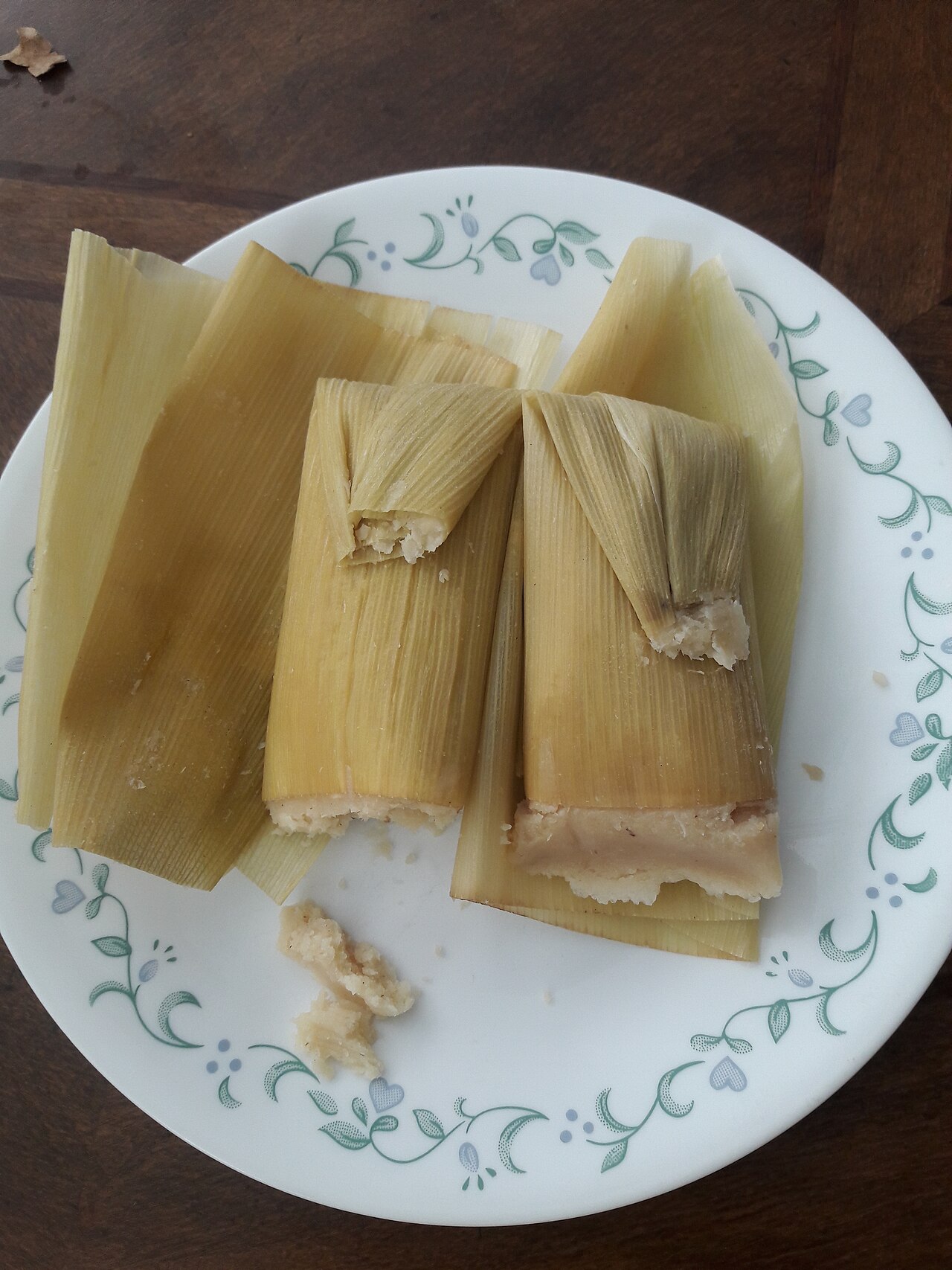
Archaeological evidence suggests tamales were prepared by Aztec armies as portable, high-energy food for long campaigns.
The Aztecs called them tamalli—and they were revolutionary. Before tamales, portable food was limited. But a tamale—masa dough wrapped in corn husks, filled with meat or chile—was lightweight, calorie-dense, and kept well during travel.
Armies marched with tamales. The Aztec military campaigns depended partly on tamales as rations. Merchants traveling trade routes carried them. Women prepared them in large batches before hunts or expeditions, treating the work as part of military preparation.
This origin matters: tamales began as functional food, created to solve a practical problem. But function evolved into meaning.
When Spanish colonizers arrived, they found tamales already so established that they were impossible to dislodge. Unlike some indigenous foods that were suppressed or transformed beyond recognition, tamales persisted. They adapted to new ingredients (wheat flour, pork from Spanish livestock), but the core remained.
The Labor of Tradition
Here’s what makes tamales unlike almost any other food: the preparation is communal and mandatory. You don’t casually make a batch of tamales. You make hundreds of them at once. This requires planning, ingredient gathering, and most importantly, group labor.
Tamale preparation is traditionally women’s work—mothers, grandmothers, sisters, aunts, cousins, friends. The work happens in kitchens, usually during specific seasons or before specific celebrations. It’s exhausting: spreading masa on corn husks, filling, wrapping, stacking, tying, cooking in massive pots.
But this exhaustion is part of the meaning. The labor is the gift. A batch of homemade tamales represents hours of work from multiple people. You cannot replicate this in a factory or store.
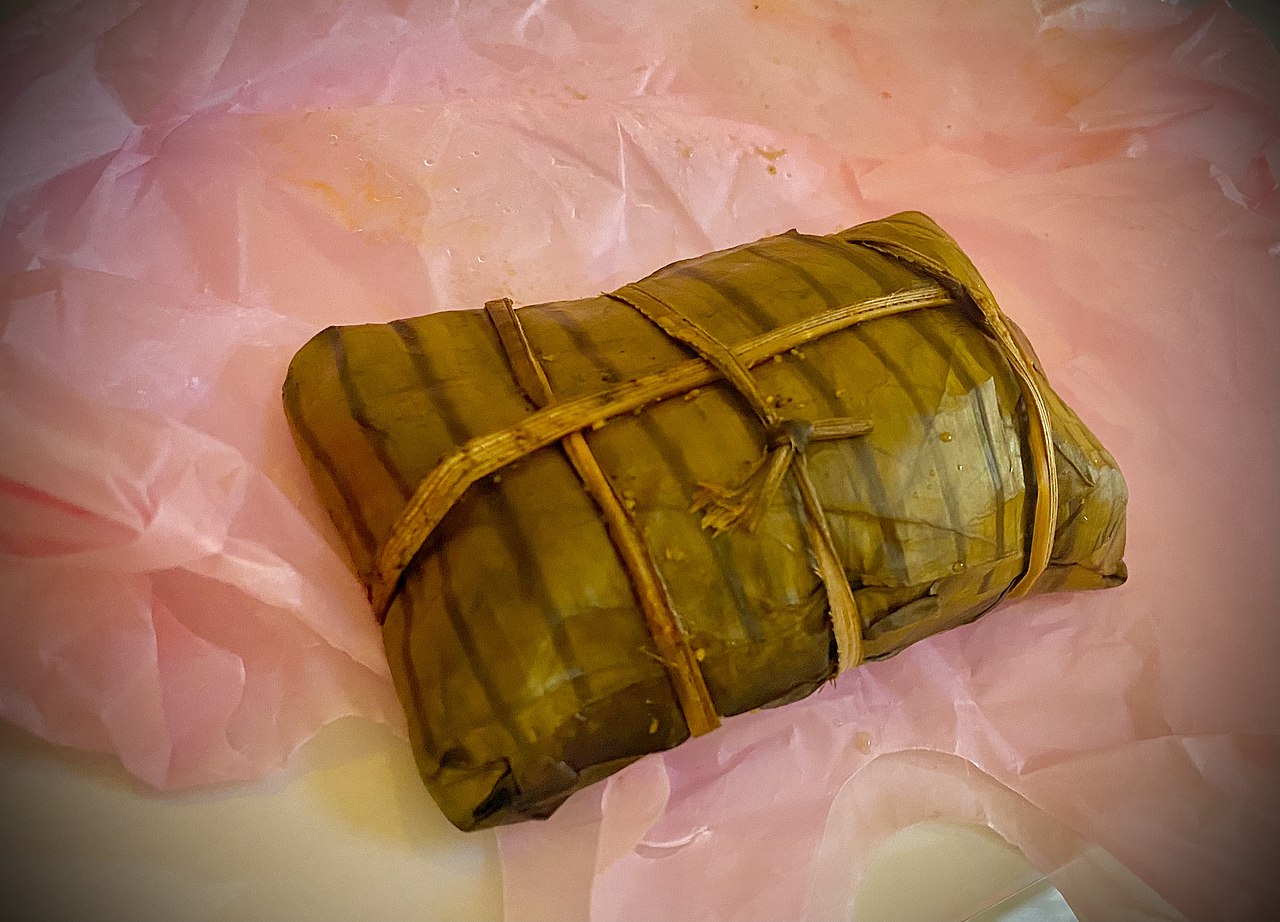
Traditional tamale preparation involves spreading masa on corn husks—a skill passed down through families and requiring practice to master.
This is why store-bought tamales, while sometimes necessary, occupy a completely different cultural space. They’re food when you need food. Homemade tamales are love made edible.
Regional Variations: Stories in Every Style
The beauty of tamales is their flexibility. Different regions have completely different traditions:
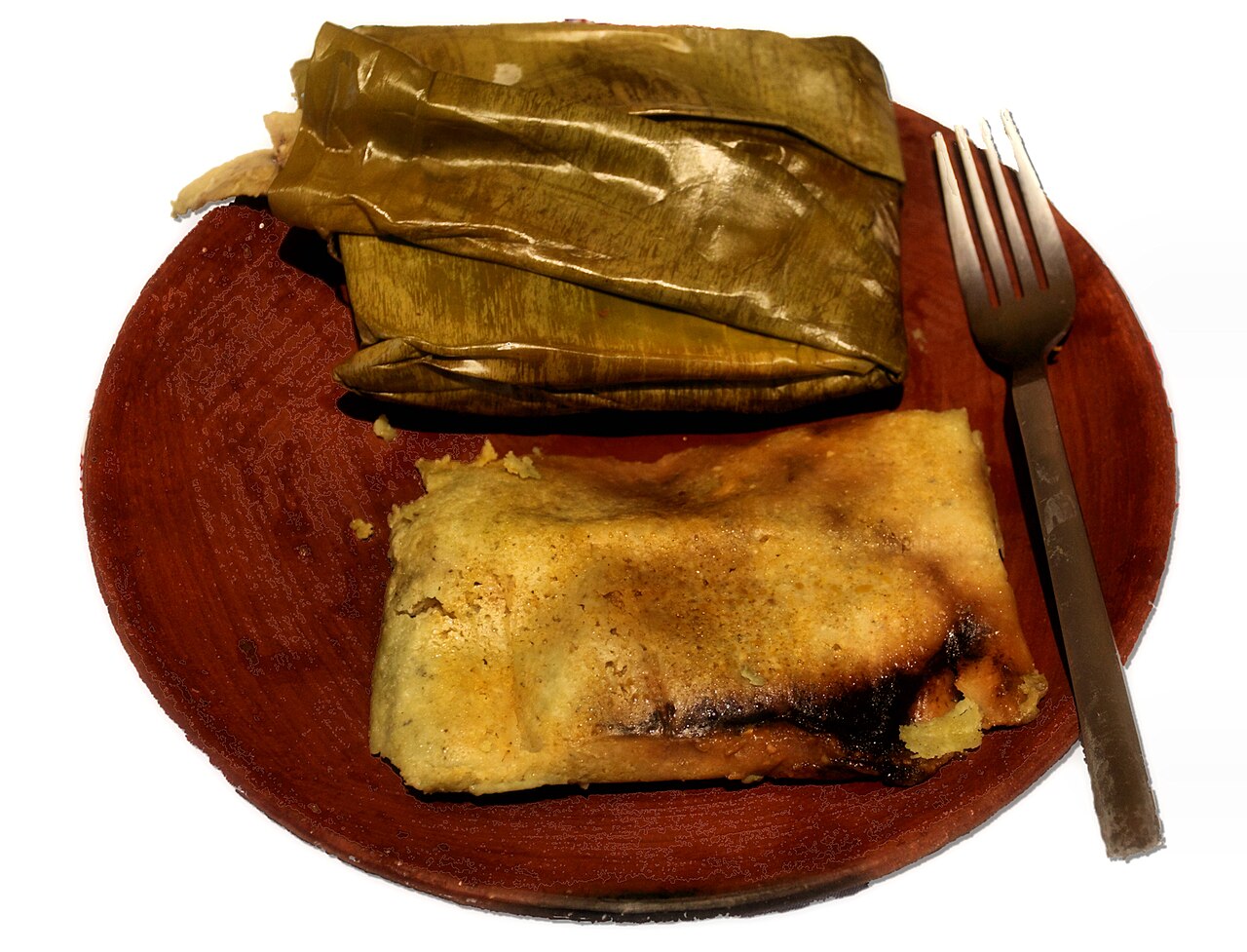
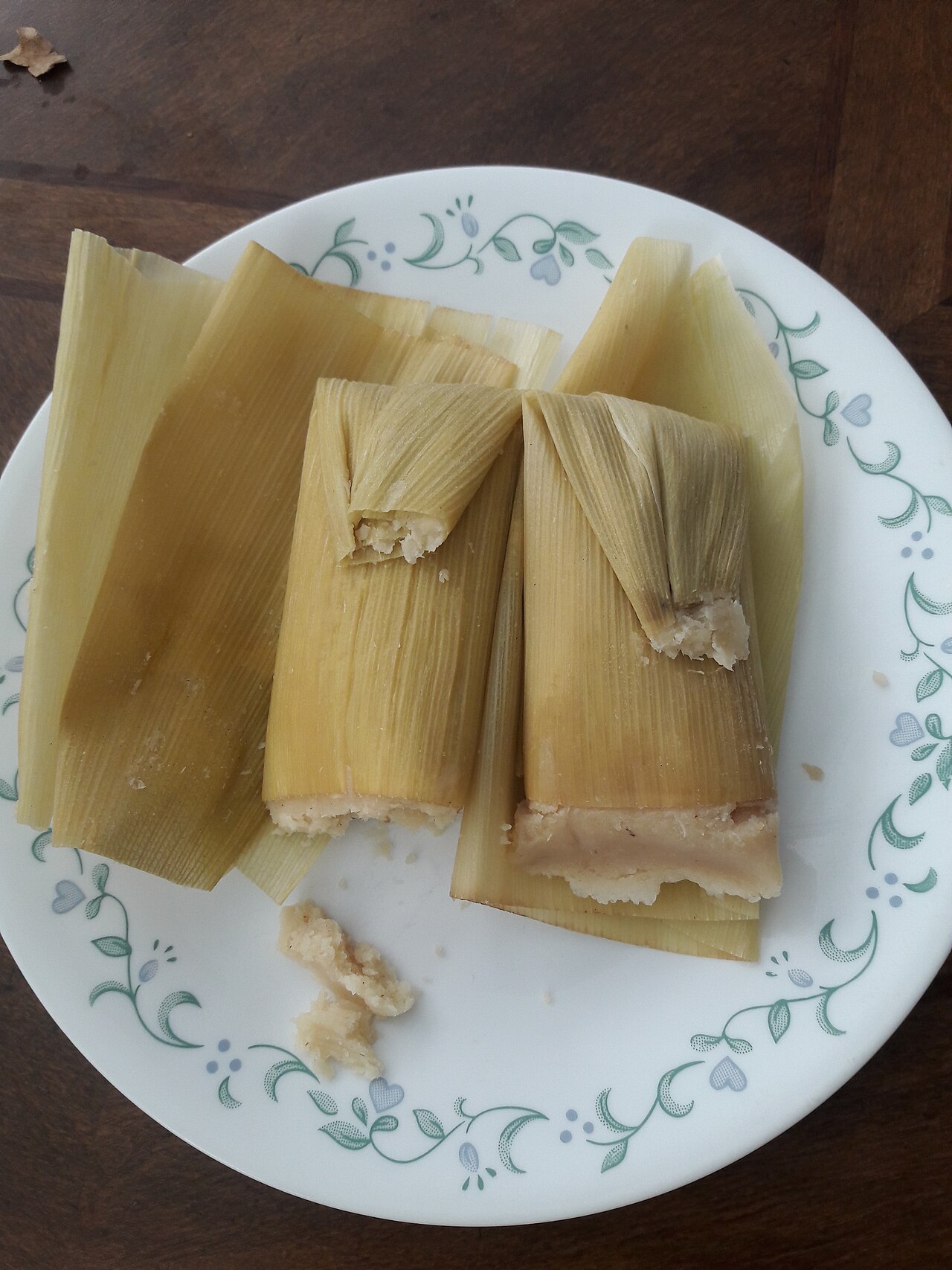
The regional variations tell stories:
- Oaxacan tamales: wrapped in banana leaves, often with complex mole sauces
- Mexican tamales: filled with rajas, cheese, olives, or traditional pork
- New Mexican tamales: often made with green chile, reflecting regional chile obsession
- Sweet tamales: made with sugar, cinnamon, raisins—served for holidays
- Neighboring country variants: Guatemala, El Salvador, Costa Rica all have their own versions
Each reflects local ingredients, local tastes, local history. A tamale tells you where it’s from.
The Calendar of Tamales
In Mexican and Mexican-American tradition, tamales have specific seasonal importance:
Día de Muertos (Day of the Dead): Tamales are left as offerings for deceased family members. The preparation is part of honoring the dead.
Las Posadas (December): The nine-day celebration before Christmas features tamale-sharing as families travel neighborhood to neighborhood, asking for “posada” (shelter).
Candlemas (February 2nd): The person who found the plastic baby hidden in the king cake on January 6th has to host a Candlemas party and serve tamales. Another tradition where food marks a calendar moment.
Weddings and Quinceañeras: Tamales are traditional wedding food in many families, signaling the formality and importance of the occasion.
Random Tuesdays: In some families, tamales are made whenever, marking not a specific calendar date but the family’s internal rhythm and desire to be together.
This calendar structure is important. It means tamales aren’t just something you eat—they’re part of how you mark time, remember the dead, celebrate life events, and maintain family connection.
Modernity and Tradition
Today, tamales face the same pressures as all traditional food: time scarcity, geographic dispersal of families, younger generations moving away, industrialization making “convenient” versions available.
Some families have solved this through compromise: buying prepared masa from markets to speed up the work, or buying prepared tamales and gathering instead to eat them together (shifting the labor from cooking to gathering). Others insist on making them from absolute scratch, treating the time commitment as non-negotiable.
Others have moved to making tamales once a year—an exhausting weekend spent in marathon cooking sessions—rather than the small, frequent batches that might have happened when extended families lived close together.
These aren’t failures of tradition. These are adaptations of tradition. The core remains: tamales as communal work, as gifts of labor, as connection to family and to history.
The Future of Tamales
What will happen to tamales as Mexican-American communities become more dispersed, as work demands more time, as food becomes more convenient and less communal?
The answer is probably: some families will maintain the tradition exactly, teaching children to spend a weekend wrapping hundreds of tamales. Some families will maintain it in adapted form. Some will let it fade, returning to it occasionally for special occasions.
But here’s what’s unlikely to disappear: the idea of tamales as food that carries meaning. Even if you buy tamales at a restaurant or bakery, there’s still something sacred about them, something that marks them as different from other foods.
Because tamales still carry their ancient origin: they are meant to be shared, to nourish, to mark important moments. The food itself remembers its history, even when the labor of making them has changed.
Further exploration: If you have the chance, try making tamales with family or friends. Don’t aim for perfection—aim for the conversation, the shared effort, the hands learning what hands have done before. Taste tamales from different regions if you can. Ask family members about their tamale traditions. The history of tamales is a history you can taste, and make, and share.