Images
An image is never just decoration. It establishes credibility, creates a sense of place, shows something that words can’t, or gives a reader a moment to breathe between ideas. How you place an image shapes how it functions—whether it commands the full page, sits beside an argument, or anchors a section.
Xanthan gives you a small set of placement tools, each suited to a different editorial intention. That’s deliberate: rather than infinite options that require infinite decisions, you have a few choices that each do something well. Knowing what each one does is how you choose intentionally.
Stand-alone images
Use the figure.html include to place an image in your content. The image appears as its own element—it gets its own visual moment, and the content that follows starts cleanly below it.
{% include images/figure.html
  class="center"
  width="60%"
  caption="What a nice view"
  alt-text="Hiking trails winding through a canyon in the Sandia foothills."
  image-path="/assets/images/backgrounds/hike-1.jpg"
%}
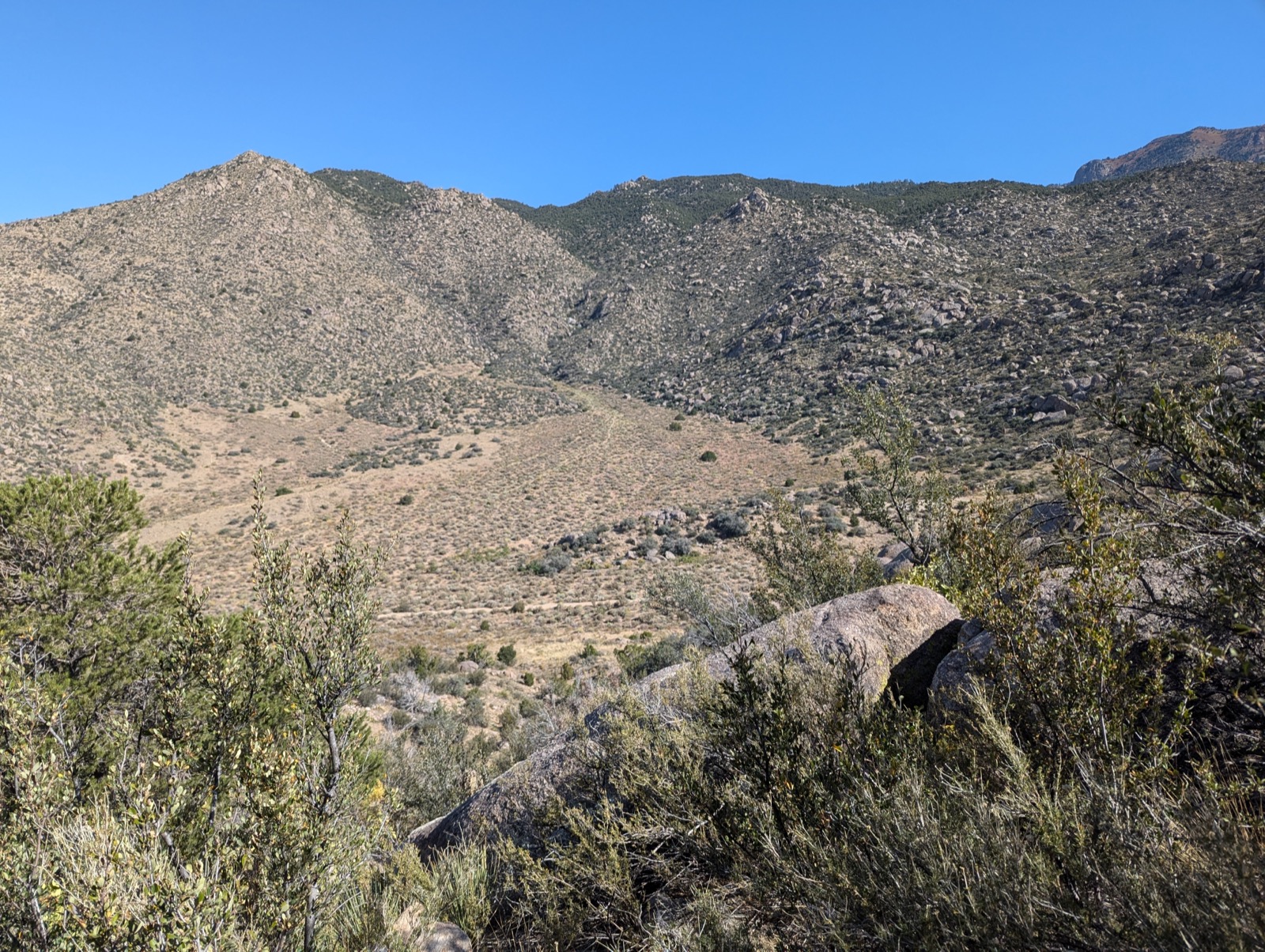
What a nice view
Alignment
The class parameter positions the image within the content column. Content that follows always starts below the image at full width.
Full-width (width="100%") — the image commands the entire content column. The most common choice for photographs, maps, or anything that deserves full attention. Make sure your source image is at least 1200px wide to avoid looking grainy.
A full-width image commands the full content column.
Centered at a set width — good when the image doesn’t need to fill the full column, or when a smaller image would look lost at full width.
Centered at 60% width.
Right-aligned — sits at the right edge of the content column. Useful as a visual anchor when you want the image offset rather than centered.
Right-aligned at 80% width.
When you want an image beside text rather than above or below it, use figure-wrap.html instead — see Image alongside text below.
Parameters
| Parameter | Options | What it does |
|---|---|---|
class |
left, center, right |
Where the image sits horizontally |
width |
Any CSS value (40%, 300px) |
Width of the image (default: 40%) |
caption |
Text | Caption displayed below the image |
alt-text |
Text | Accessibility description (falls back to caption) |
image-path |
File path | Path to the image file |
Image alongside text
Sometimes an image and a passage of text belong together as equals—neither subordinate to the other, both necessary to the point. Use figure-wrap.html to place them side by side as an explicit two-column pair.
{% include images/figure-wrap.html
  image-path="/assets/images/backgrounds/hike-1.jpg"
  caption="What a nice view"
  alt-text="Hiking trail through a canyon in the Sandia foothills."
  image-position="right"
  image-width="45%"
  text="The text you put here sits beside the image, not below it. Good for introductory paragraphs, a key argument tied to a specific image, or whenever the visual and the words need to be read together. Content that follows the include starts at full width below both columns."
%}
What a nice view
The text you put here sits beside the image, not below it. Good for introductory paragraphs, a key argument tied to a specific image, or whenever the visual and the words need to be read together. Content that follows the include starts at full width below both columns.
The design forces a useful editorial question: which text belongs paired with this image? That’s a decision worth making deliberately.
Image on the left
With image-position omitted (or set to left), the image sits on the left:
Left-aligned image at 35% width. The text column takes the remaining space. Markdown is supported in the text parameter—bold, italic, links, and even line breaks.
Long text stays in its column
When the text is longer than the image is tall, it continues in the text column—it does not flow underneath the image. Whatever comes after the include starts at full width below both columns.
This paragraph is long enough to extend past the bottom of the image. Notice that the text stays in its own column throughout—it doesn’t wrap under the image the way a floated image would behave. The two columns are independent. When the text runs long, the image column simply ends at the image bottom and leaves empty space below it. This is predictable, intentional behavior: you know exactly what you’re getting. The content that follows this include will start at full width, below the taller of the two columns.
This is content after the figure-wrap. It starts at full width below both columns.
Parameters
| Parameter | Options / Default | What it does |
|---|---|---|
image-path |
(required) | Path to the image file |
text |
(required) | Text beside the image; supports Markdown |
caption |
(none) | Caption below the image; supports Markdown |
alt-text |
Falls back to caption | Accessibility description for screen readers |
image-position |
left (default), right |
Which side the image appears on |
image-width |
40% (default) |
CSS width of the image column |
On small screens, the layout collapses to a single column with the image on top.
Alt-text
Why Alt-Text Matters
Alt-text (alternative text) is a written description of an image that screen readers read aloud for visually impaired users. Including alt-text makes your site accessible to everyone.
- Describe the image content and context, not just what you see
- Focus on what’s relevant to your narrative or argument
- Keep it concise but descriptive (typically 1-2 sentences)
- Avoid redundant phrases like ‘image of’ or ‘picture of’
If you don’t include an alt-text parameter, the caption will be used as the alt-text, which is better than nothing but not always ideal.
Pro tip: Alt-text and captions serve different purposes. Captions can be more interpretive or contextual (‘This transformation took only six months’), while alt-text should be descriptive (‘Two photos side by side showing a vacant lot and then a completed brick building’).
Jumbotron images
A jumbotron breaks out of the page’s content column to fill the full browser width—the most cinematic option available. Use one as a visual break between sections, or add a text overlay. The gradient fade is applied automatically so text reads cleanly against the image.
{% include images/jumbotron.html
  image-path="/assets/images/backgrounds/pano-1.jpg"
  height="50vh"
  box-align="left"
  title="Optional heading"
  text="A pull quote or caption on the clear side of the image."
  background-position="center right"
%}
Optional heading
A pull quote or caption on the clear side of the image.
No text or fade
If you omit text and title, the gradient is skipped and the jumbotron renders as a clean full-width visual break—useful as section dividers on long pages.
{% include images/jumbotron.html
  image-path="/assets/images/backgrounds/pano-1.jpg"
  height="30vh"
  background-position="center 60%"
%}
Heading, zoom, and custom fade
Use zoom to enlarge the image and fade-start/fade-end to control how quickly the gradient appears and disappears.
Landscape at dusk
{% include images/jumbotron.html
  image-path="/assets/images/backgrounds/pano-1.jpg"
  height="50vh"
  box-align="right"
  title="Landscape at dusk"
  zoom="150%"
  background-position="center left"
  fade-start="10%"
  fade-end="80%"
%}
Parameters
| Parameter | Default | What it does |
|---|---|---|
image-path |
(required) | Path to image |
height |
40vh |
CSS height, e.g. 50vh or 400px |
box-align |
left |
left, right, or center — text position and gradient direction |
title |
(none) | Heading above the text |
text |
(none) | Body text; supports Markdown. Gradient applied automatically when present |
zoom |
cover |
CSS background-size; e.g. 150% to zoom in |
background-position |
center |
CSS background-position; aim the subject away from the text side |
fade-start |
0% |
Where the opaque gradient begins |
fade-end |
60% |
Where the gradient becomes fully transparent |
bg-color |
var(--bg-page) |
Color of the opaque side; matches page background by default |
caption |
(none) | Caption below the image; supports Markdown |
box-align controls both text placement and gradient direction:
box-align |
Text position | Gradient |
|---|---|---|
left (default) |
Left side | Opaque left → transparent right |
right |
Right side | Opaque right → transparent left |
center |
Centered over image | No gradient; text shadow used for legibility |
Header images
A header image is a large banner across the top of the page, set in the front matter rather than in the content body:
---
title: My Page Title
layout: default
header-image: /assets/images/backgrounds/pano-1.jpg
---
Controlling height and position
---
title: My Page Title
layout: default
header-image: /assets/images/backgrounds/pano-1.jpg
header-height: 50vh
header-position: center
---
| Field | Default | What it does |
|---|---|---|
header-height |
40vh |
Height of the header (e.g. 50vh, 300px) |
header-position |
(browser default) | Which part of the image to show (center, top, 200px, 50% 80%) |
header-position is particularly useful when you have a large image but only a specific part—the sky, the bottom half—is what you want visible in the header crop.
Before/after slider (Juxtapose)
Compare two images with a draggable slider—ideal for historic vs. contemporary photos, before/after transformations, or any visual comparison where the reader should be able to move between the two states themselves.
{% include images/juxtapose.html
  image1="/scrollstories/forest/images/mvh-tv-room.jpg"
  image2="/scrollstories/forest/images/mvh-hist-common-room.jpg"
  caption="The TV room becomes the History Department Common Room."
%}
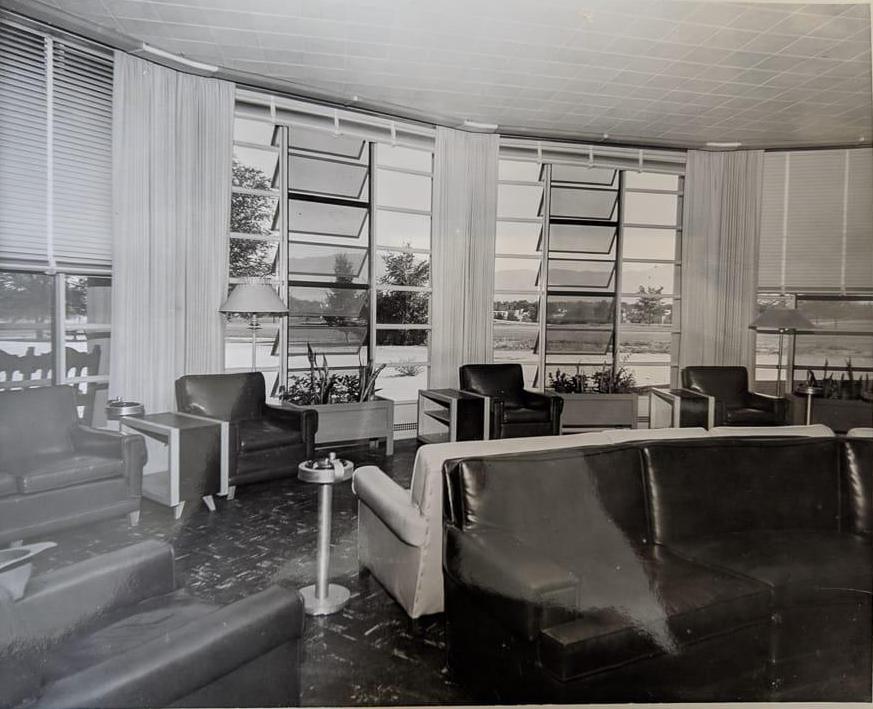
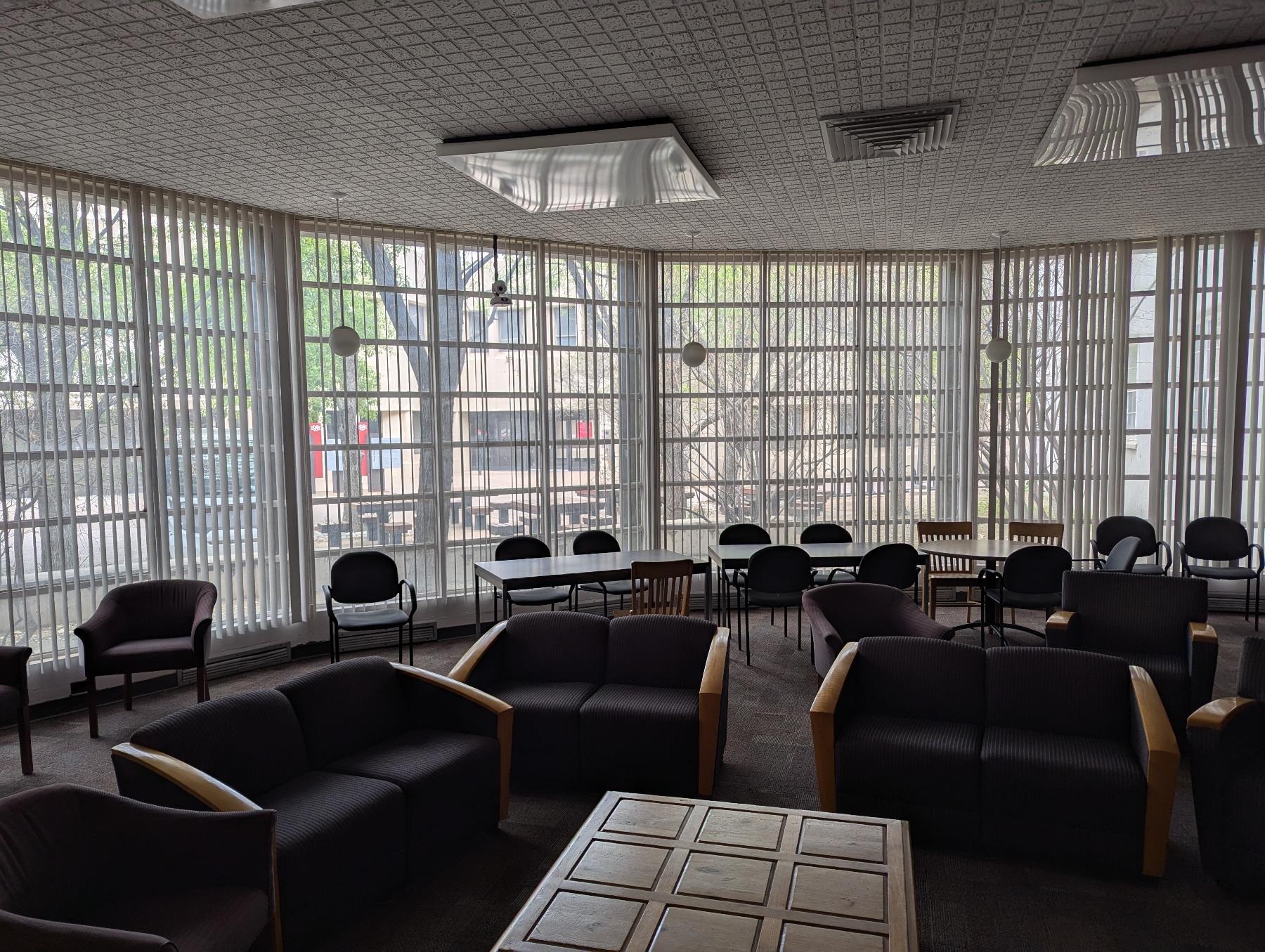
From the TV room to the Chair room (actually, the History Department Common Room). With a less good view of the mountains.
| Parameter | What it does |
|---|---|
image1 |
Path to the first (left) image |
image2 |
Path to the second (right) image |
caption |
Optional caption below the slider |
starting-position |
Where the slider starts (default: 50%) |
The effect is most striking when the two images are taken from the same vantage point.
Image carousel
Display a series of images as a slideshow. Define three lists (images, headers, captions) and pass them to the carousel include:
{% assign images =
"/scrollstories/forest/images/mvh-construction.jpg,
/scrollstories/forest/images/mvh-room-cost.jpg,
/scrollstories/forest/images/mvh-tv-room.jpg" | split: ','
%}

{% assign headers =
"A Photo Title,,
No caption here" | split: ','
%}

{% assign captions =
"It's useful to have informative captions|
This image has a caption, but no title|
" | split: '|'
%}

{% include images/carousel.html
  width="80%"
  class="center"
  images=images
  headers=headers
  captions=captions
%}
-
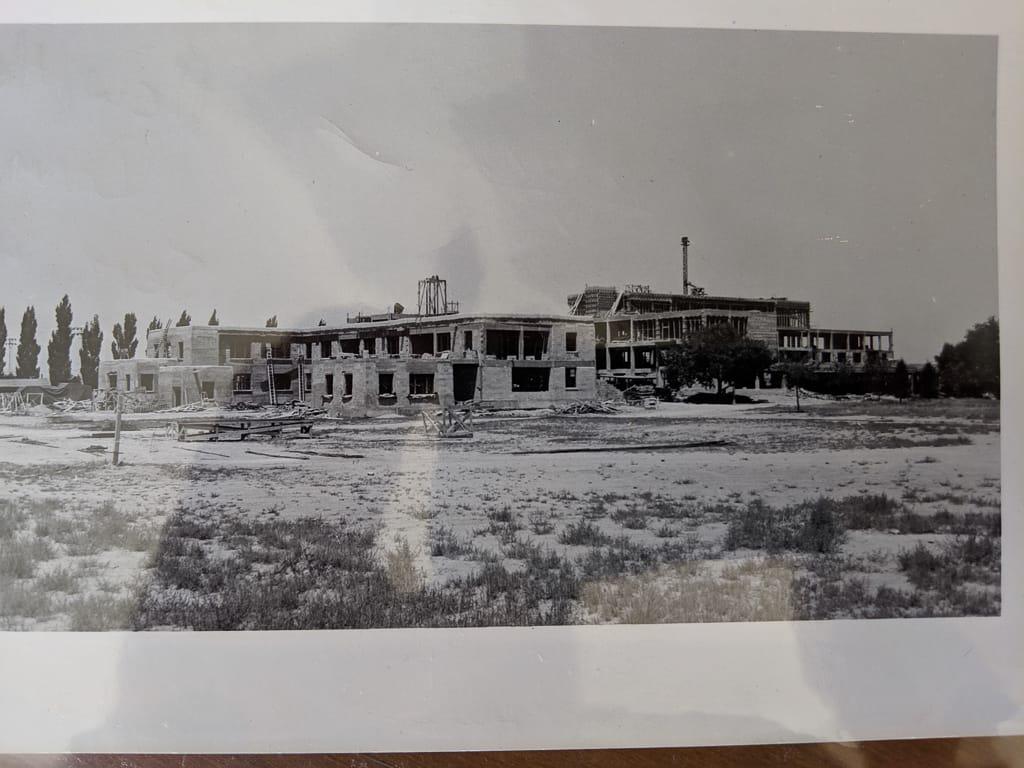
A Photo Title It's useful to have informative captions -
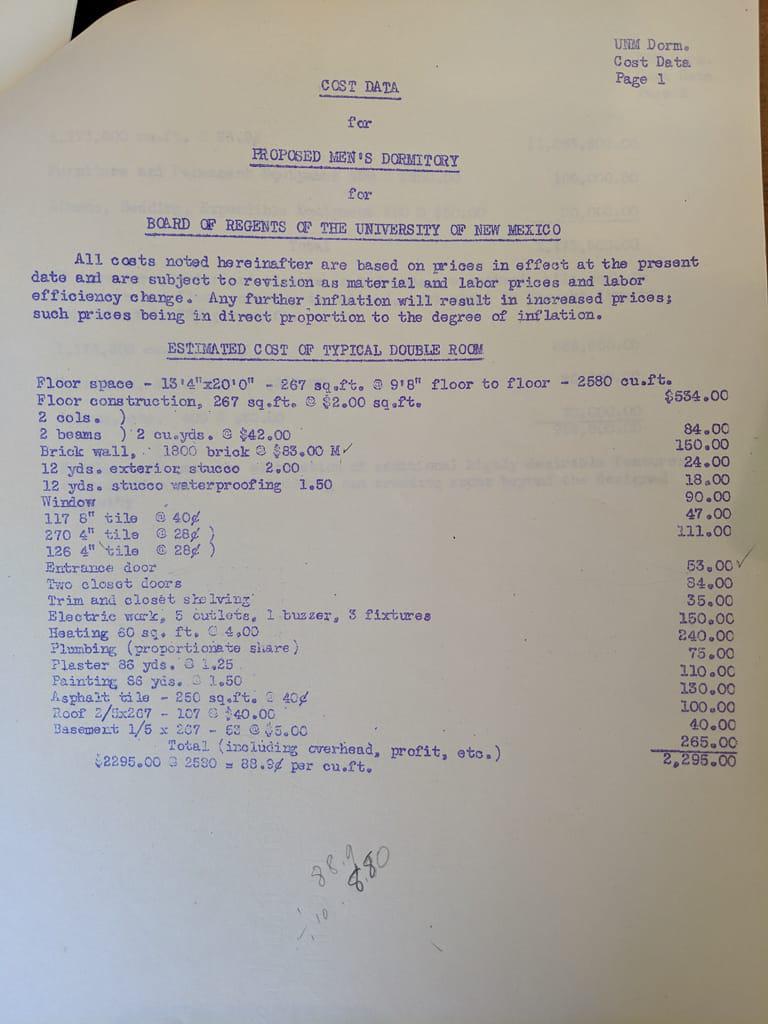
This image has a caption, but no title -

No caption here
| Parameter | What it does |
|---|---|
width |
Width of the carousel (default: 100%) |
class |
Alignment: left, center, right |
id |
Unique ID if you have multiple carousels on one page |
images |
List of image paths |
headers |
List of slide titles (use empty values for no title) |
captions |
List of slide captions (split on \| to allow commas in text) |
ScrollStory images
For more cinematic image effects, ScrollStories offer techniques where images stay fixed while text scrolls over them, backgrounds switch as the reader advances, and panels slide horizontally alongside fixed visuals. These go beyond standard image placement into full narrative design.
See the ScrollStories overview to learn what’s available, or jump directly to Peekaboo images for a parallax-style reveal effect that works on any page.
Troubleshooting
Image paths: the most common source of problems
Paths can be relative or absolute, and mixing them up is the number one reason images don’t appear.
- Absolute path (starts with
/):/assets/images/photo.jpg— works from any page on your site, because it starts from the site root. This is the safer choice. - Relative path (no leading
/):images/photo.jpg— relative to the current page’s location. A path that works onessays/my-essay.mdwon’t work onindex.mdif the image isn’t in the right place relative to that page.
When in doubt, use absolute paths. They always resolve the same way regardless of which page you’re on. And remember: paths are case-sensitive. Photo.jpg is not the same as photo.jpg.
Image doesn’t appear:
- Check that the file path and filename match exactly (paths are case-sensitive)
- Verify the image file has been committed to your repository
- Make sure the path starts with
/for absolute paths or is correct relative to the current page
Image looks grainy or stretched:
- Use images large enough for the display width (at least 1200px wide for full-width images)
- JPG works well for photographs; PNG is better for diagrams or screenshots with text
Header image not showing:
- Ensure
header-imageis in the front matter block (between the---lines), not in the page content - Check the path carefully—it should start with
/
For more help, see Troubleshooting.