Campus Histories
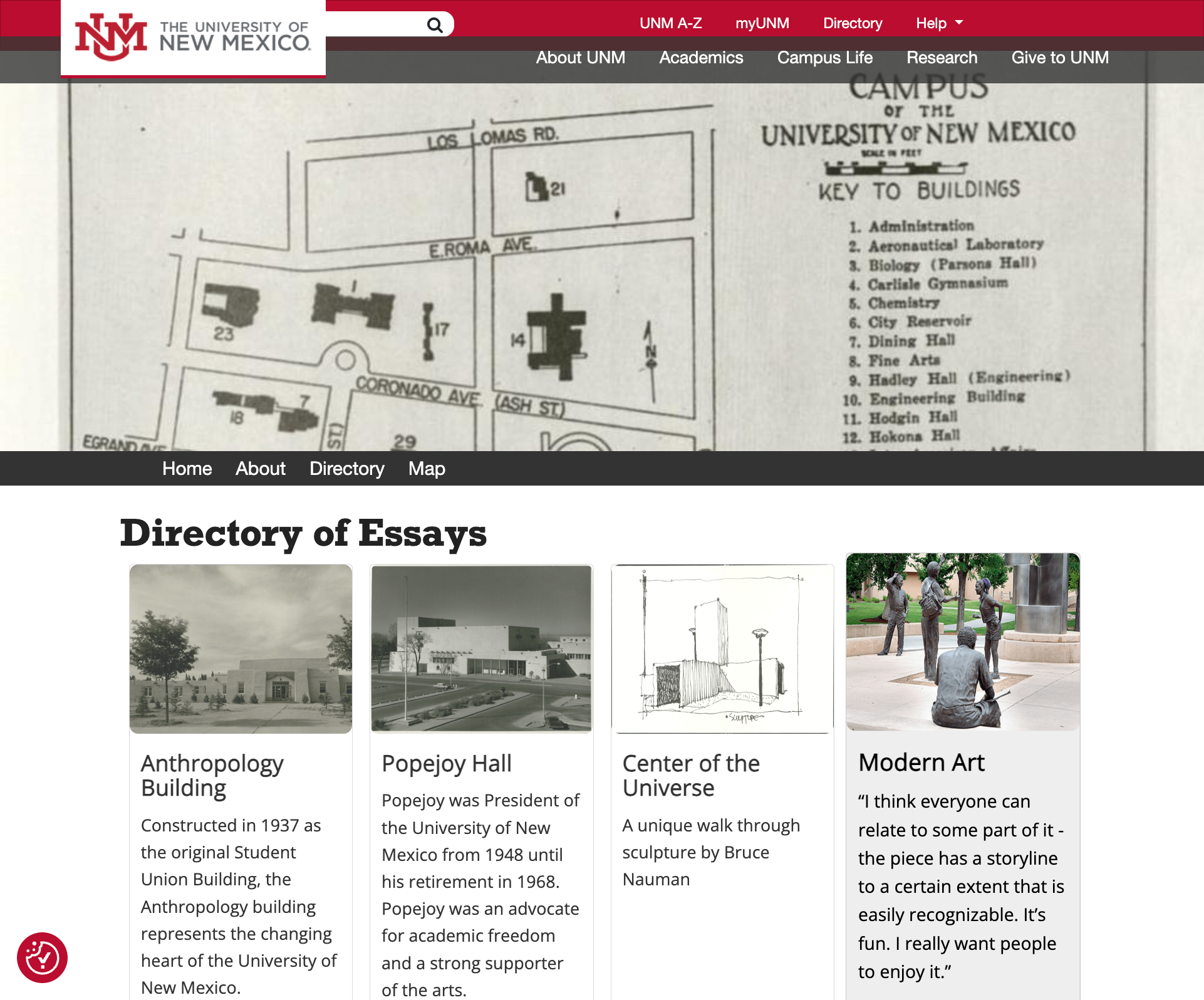
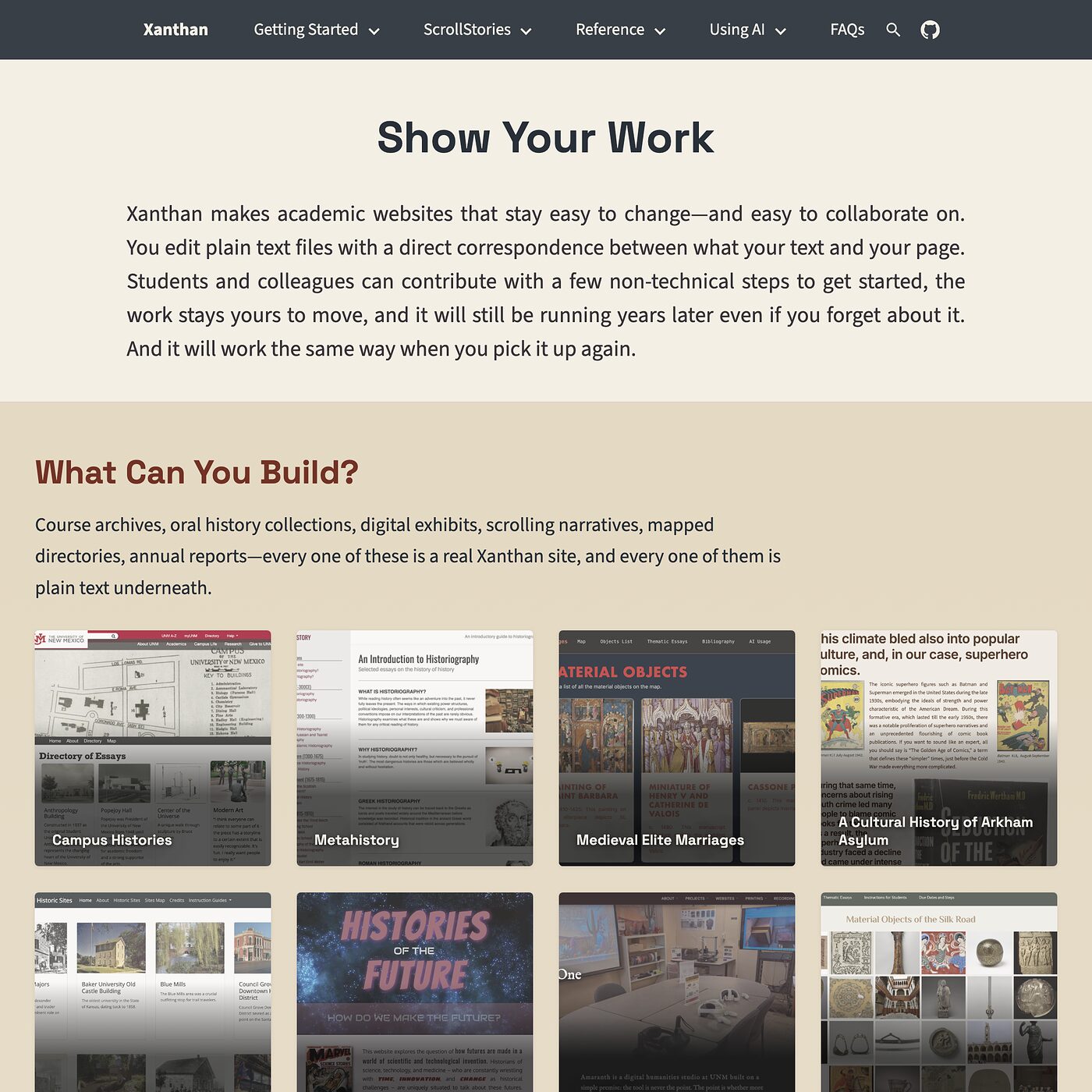
Successive classes each add buildings to a shared campus archive, so the site keeps growing after any one semester ends.
These are working Xanthan sites, not polished marketing demos. They show the range of things people can make from the same underlying system: class archives, visual essays, research collections, map-based directories, annual reports, and small public projects that can keep growing after the first version goes live.
The gallery leans toward collaborative teaching examples on purpose. Xanthan is useful for individual sites, but its strongest argument is often collective work: many contributors, readable files, public audiences, and projects that remain editable after the course or workshop ends.
Several of these have been extended well past what Xanthan ships—custom layouts, bespoke listing pages, project-specific styling. That is the point of owning the files, and it is worth knowing which parts are which. The structure you can see in all of them—card directories that assemble contributions, a page per essay or object, maps built from coordinates in front matter, images and captions—is standard. The distinctive surface styling on a few is not, and was written by the projects themselves.
If something here looks like what you want, the Component Library lists what comes as standard, and an AI assistant is good at closing the gap between the two.
Use this page for browsing. If you are ready to make your own site, start with the starter site guide.
Successive classes each add buildings to a shared campus archive, so the site keeps growing after any one semester ends.
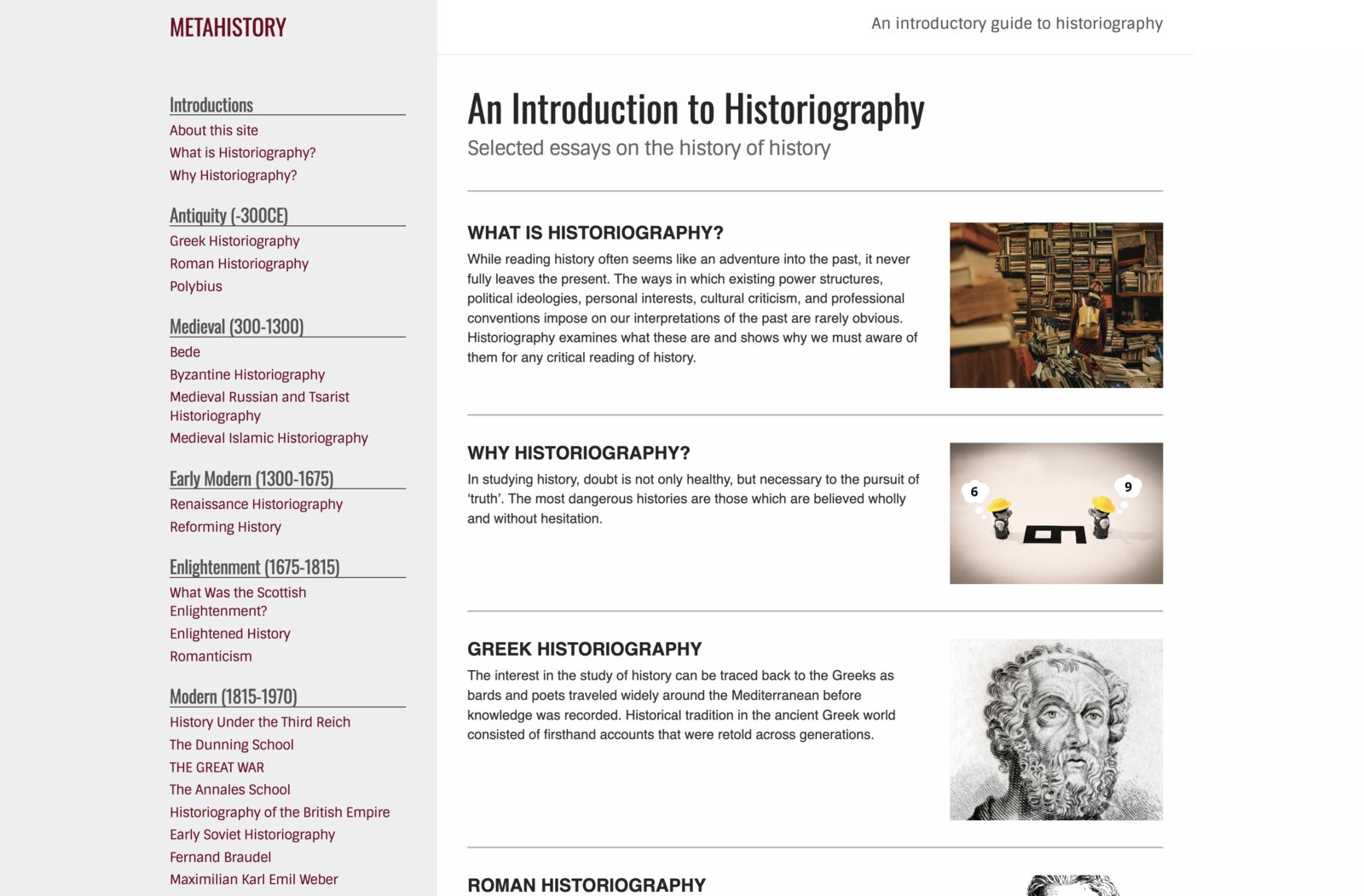
Several courses contribute to one site, showing how student essays from different classes can share a home and a design.
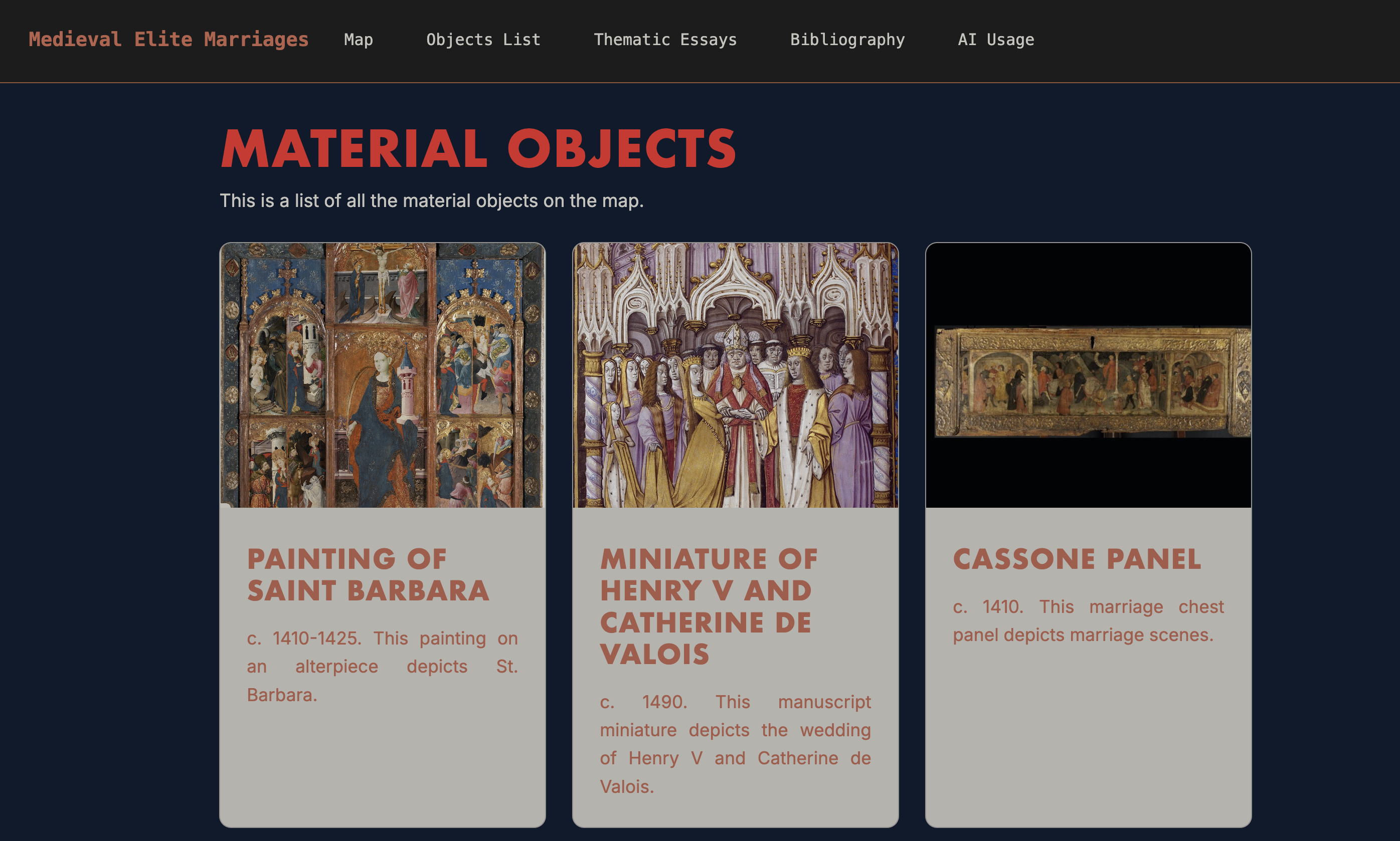
An object-centred exhibit where each artefact gets its own page, a structure students can fill in one item at a time.
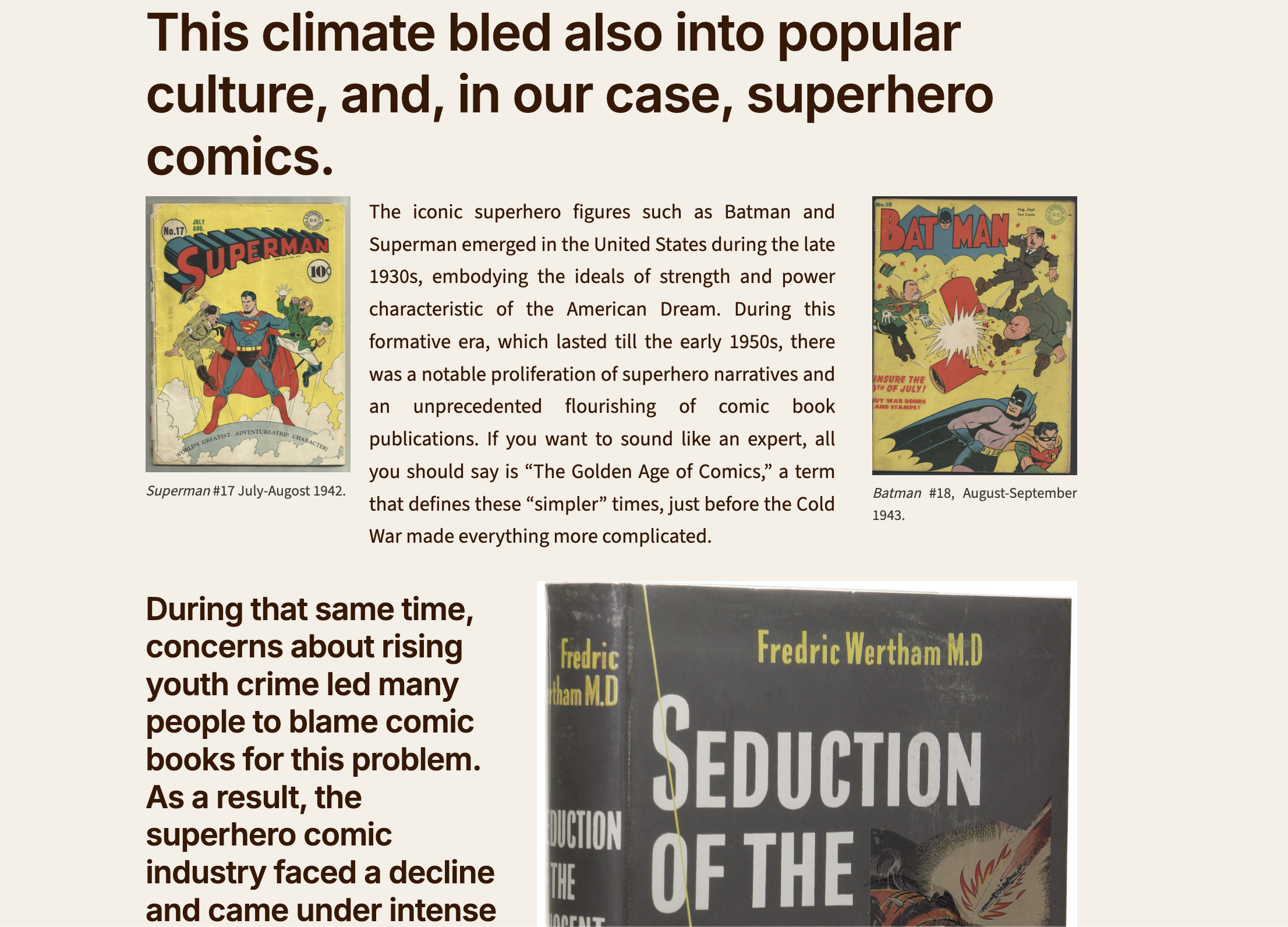
A single long scrolling argument, showing what one student can build when the format is a narrative rather than a page.
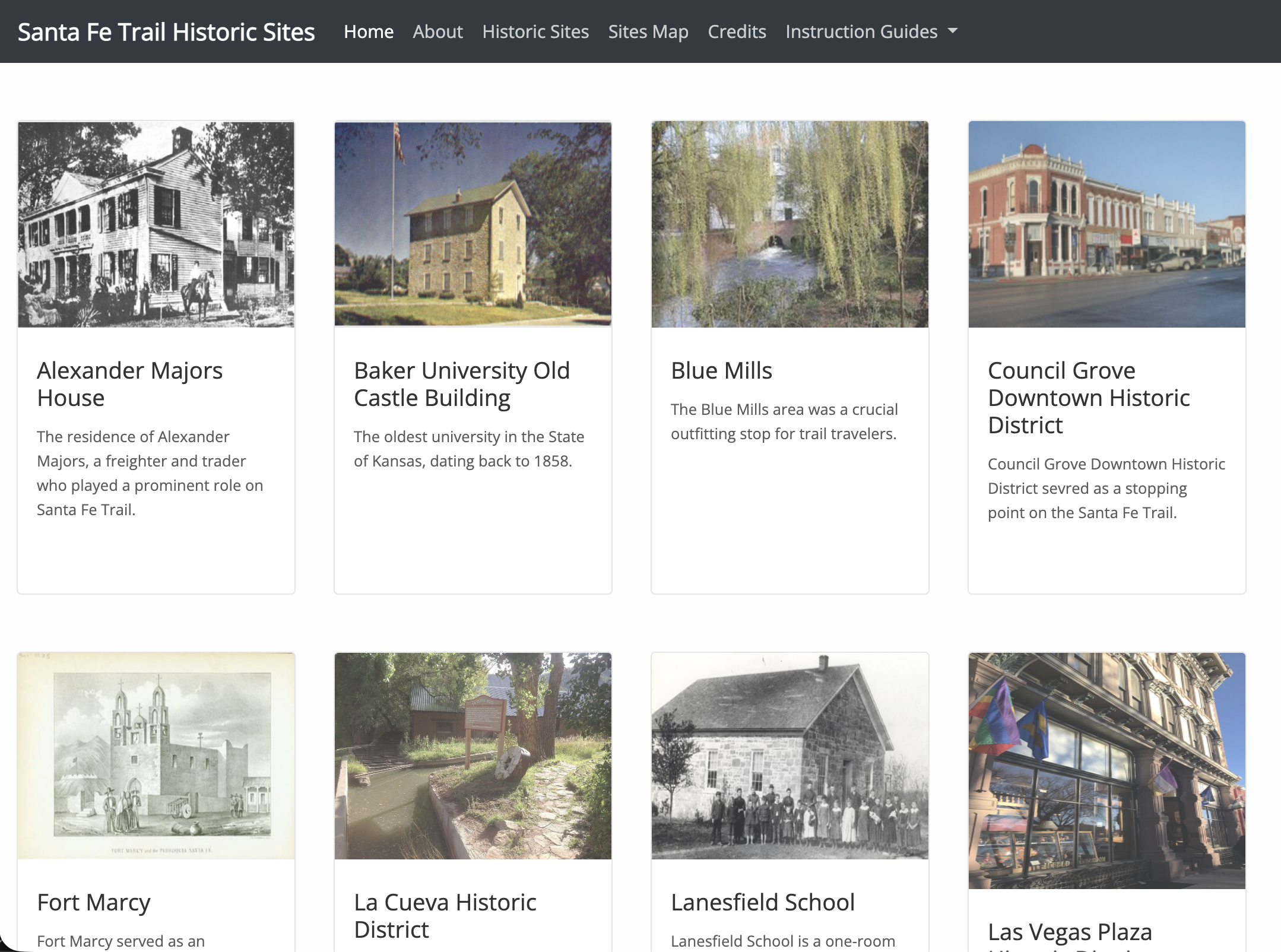
Each location is a page and a point on a map, so a class can divide a region between them and still produce one atlas.
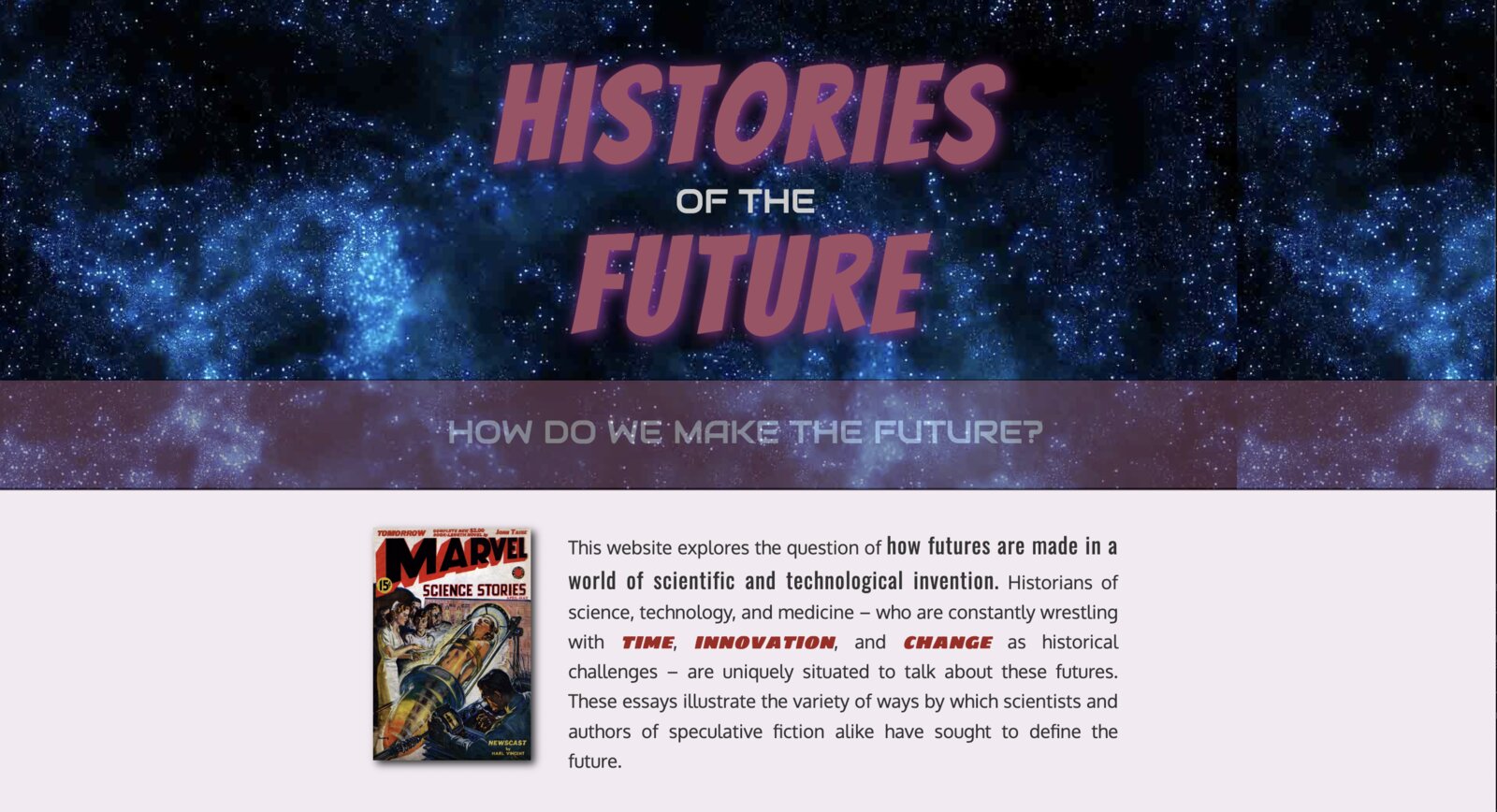
A short workshop left behind a permanent essay collection instead of a folder of files nobody opens again.
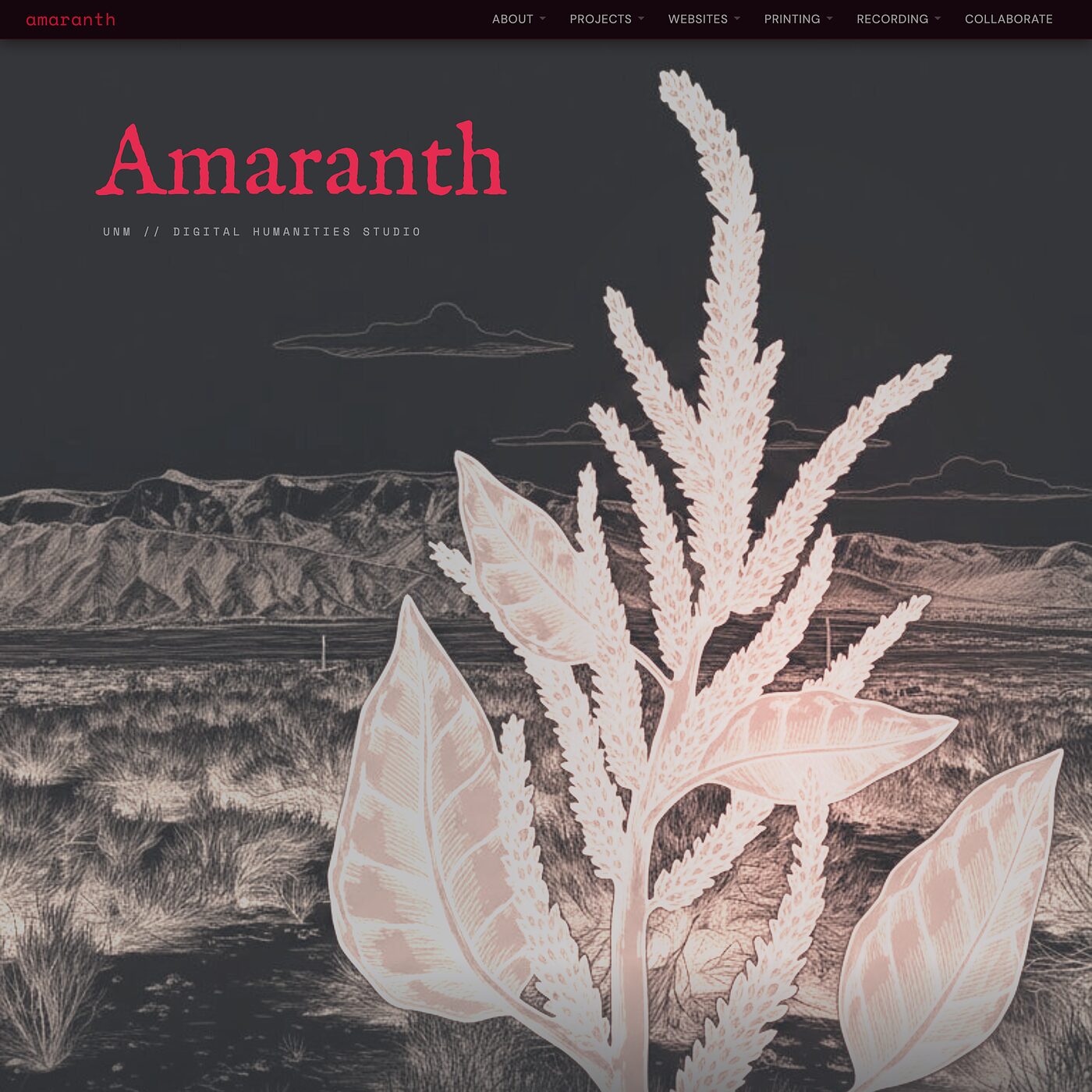
UNM's Digital Humanities Studio.
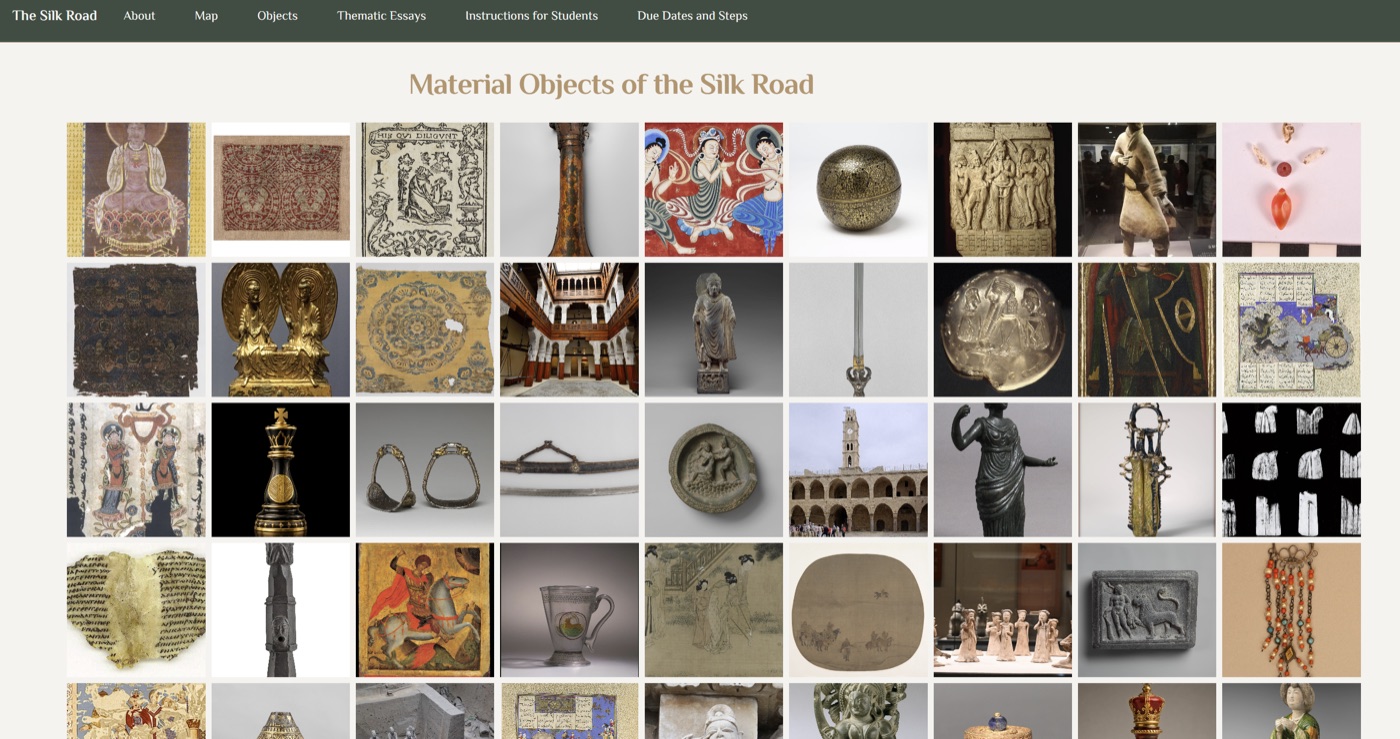
Students research goods, routes, and objects separately, and the cards assemble their work into one navigable collection.
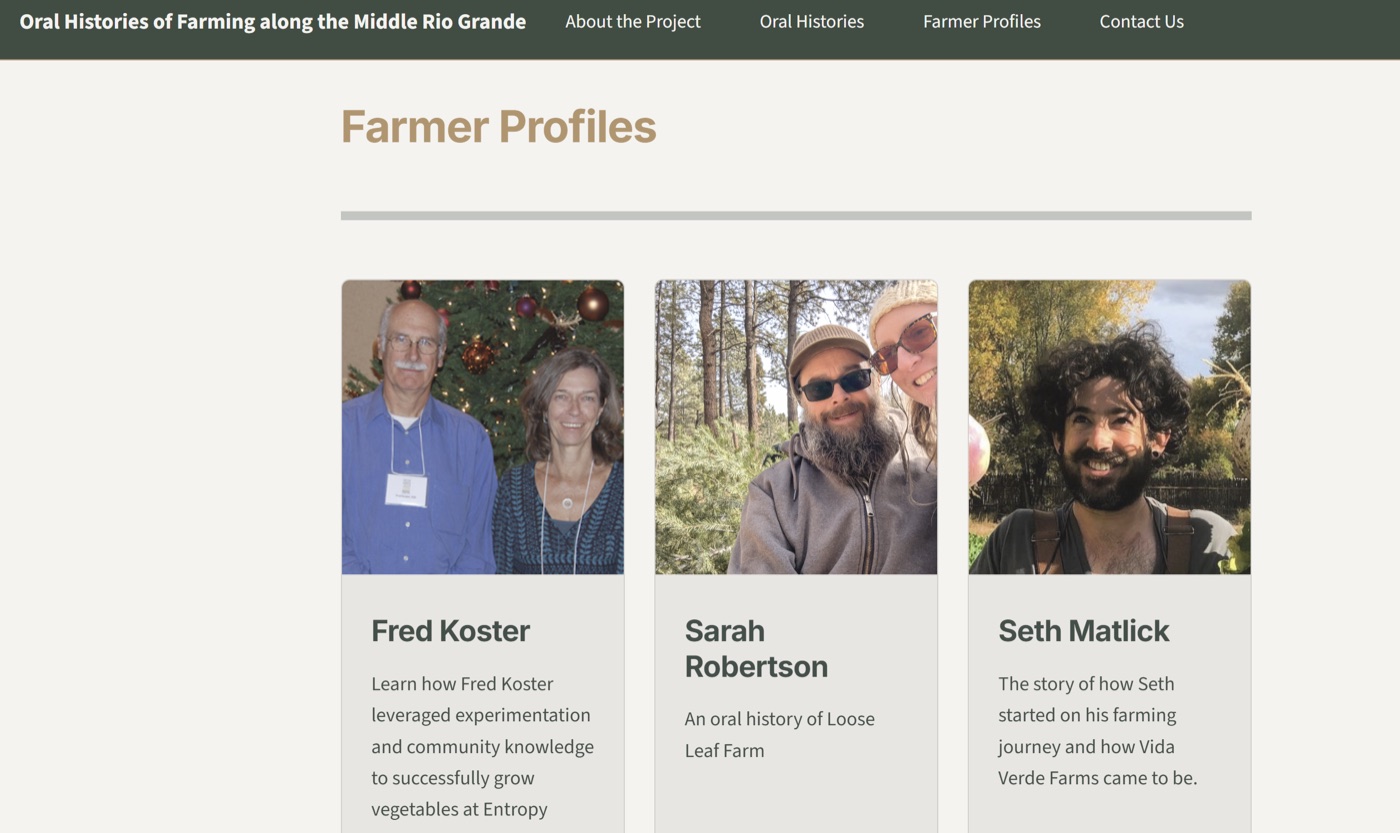
Interviews gathered by many students become a public archive that the communities involved can actually read.
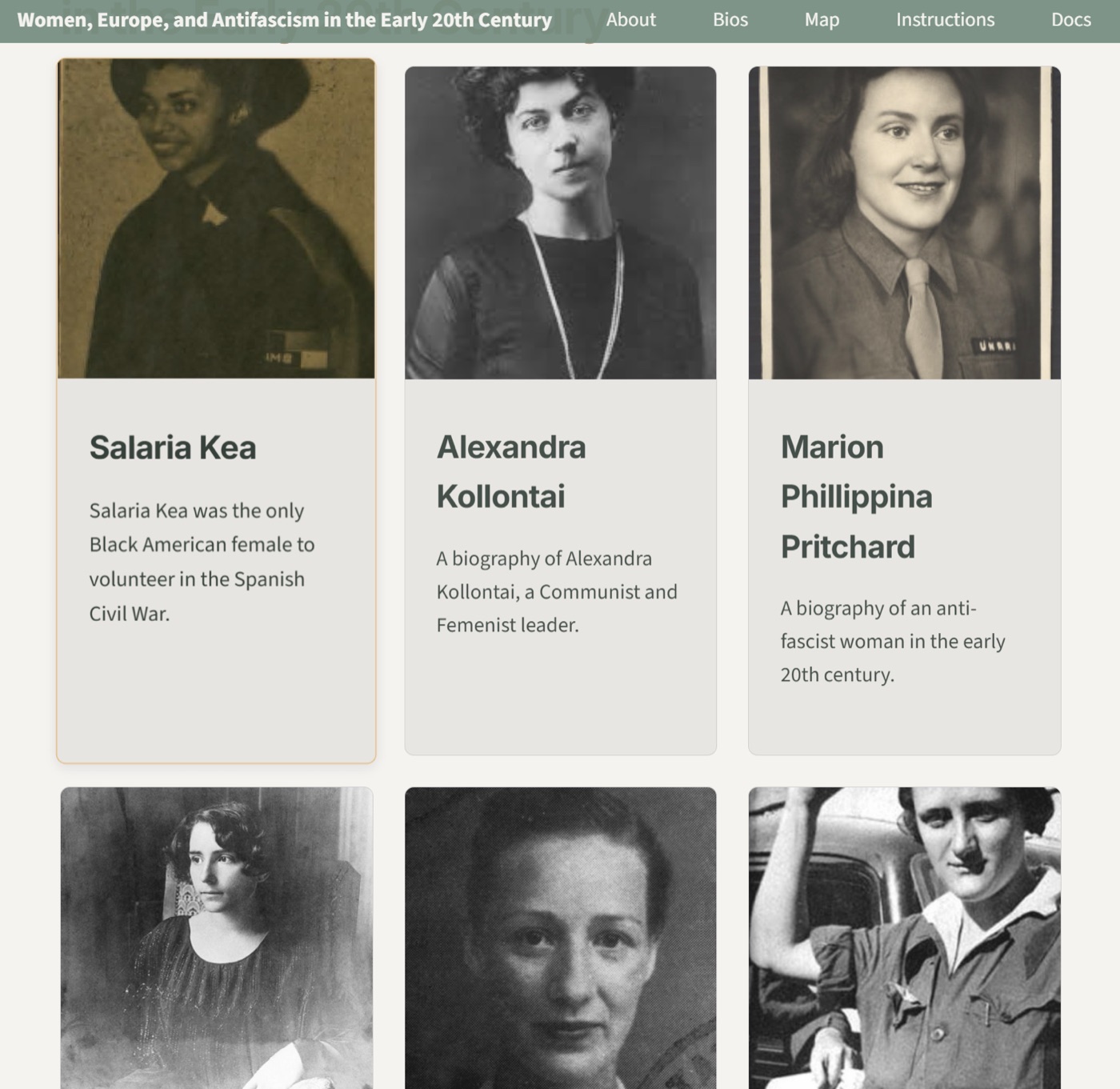
Each student recovers one woman's history; together the pages become a reference work no single essay could be.
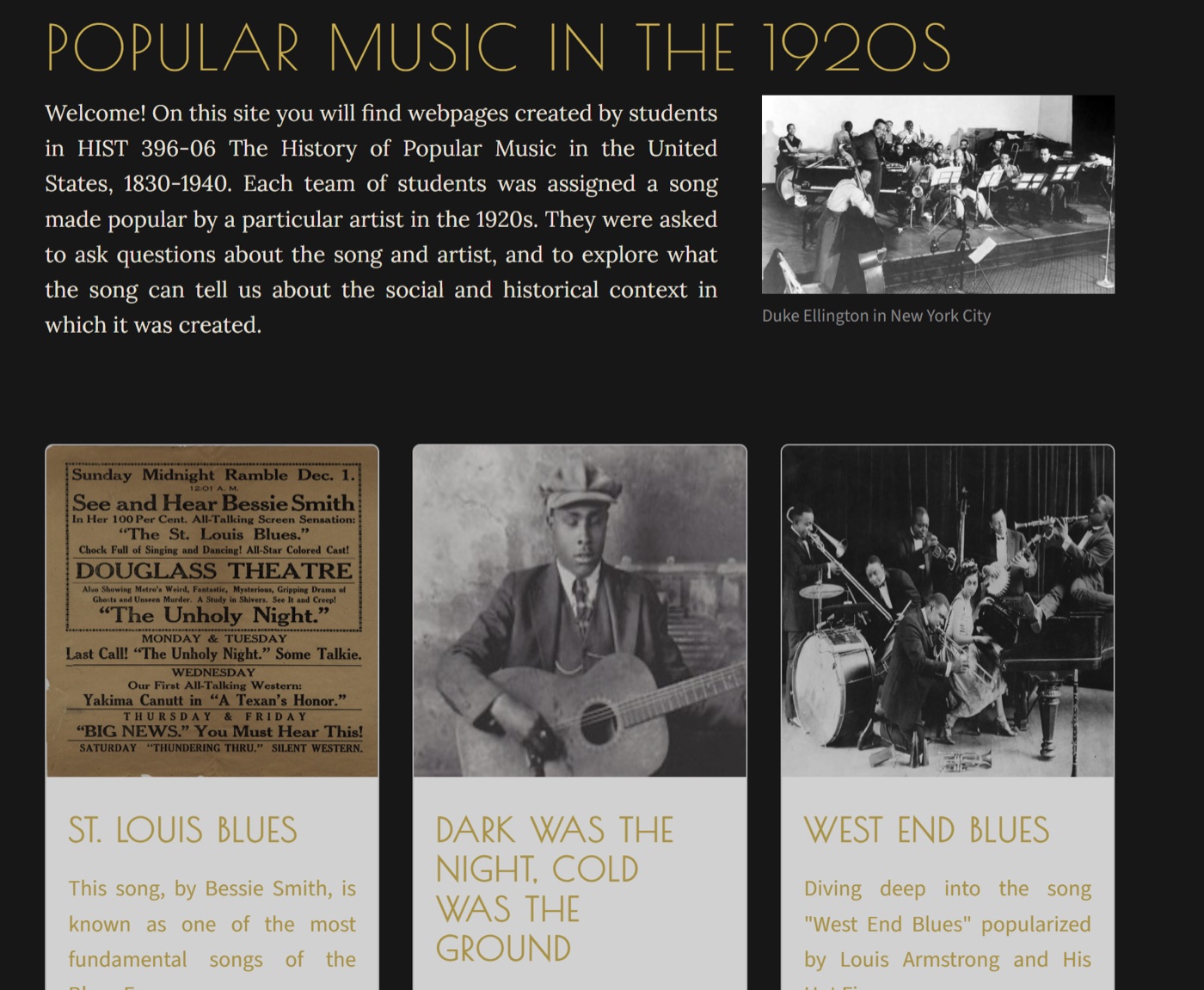
Student writing on music and politics, published for readers outside the class rather than submitted and filed away.
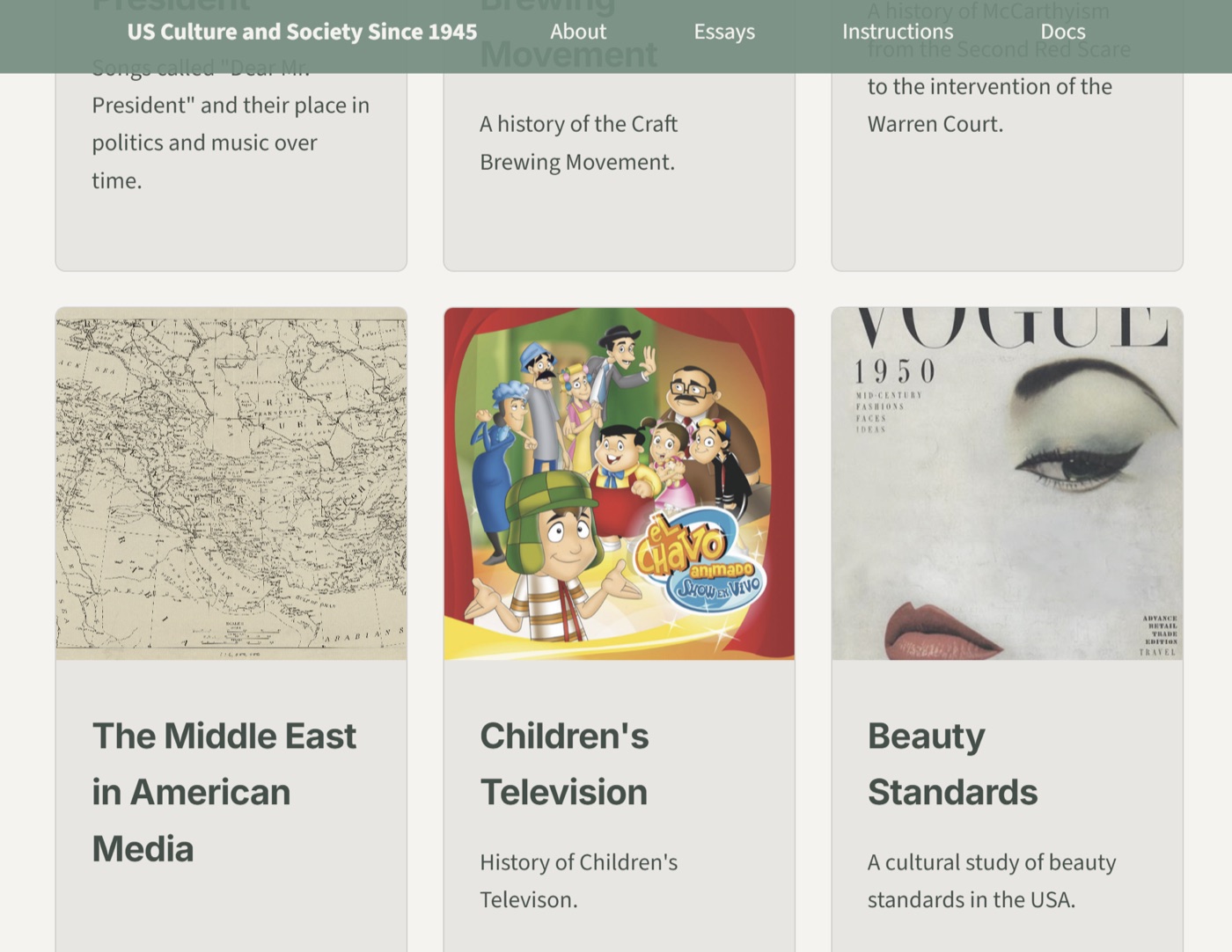
A course's essays organised by theme, so the syllabus becomes a public reader rather than a list of due dates.
An introductory class doing local research, showing that beginners can produce work worth publishing.
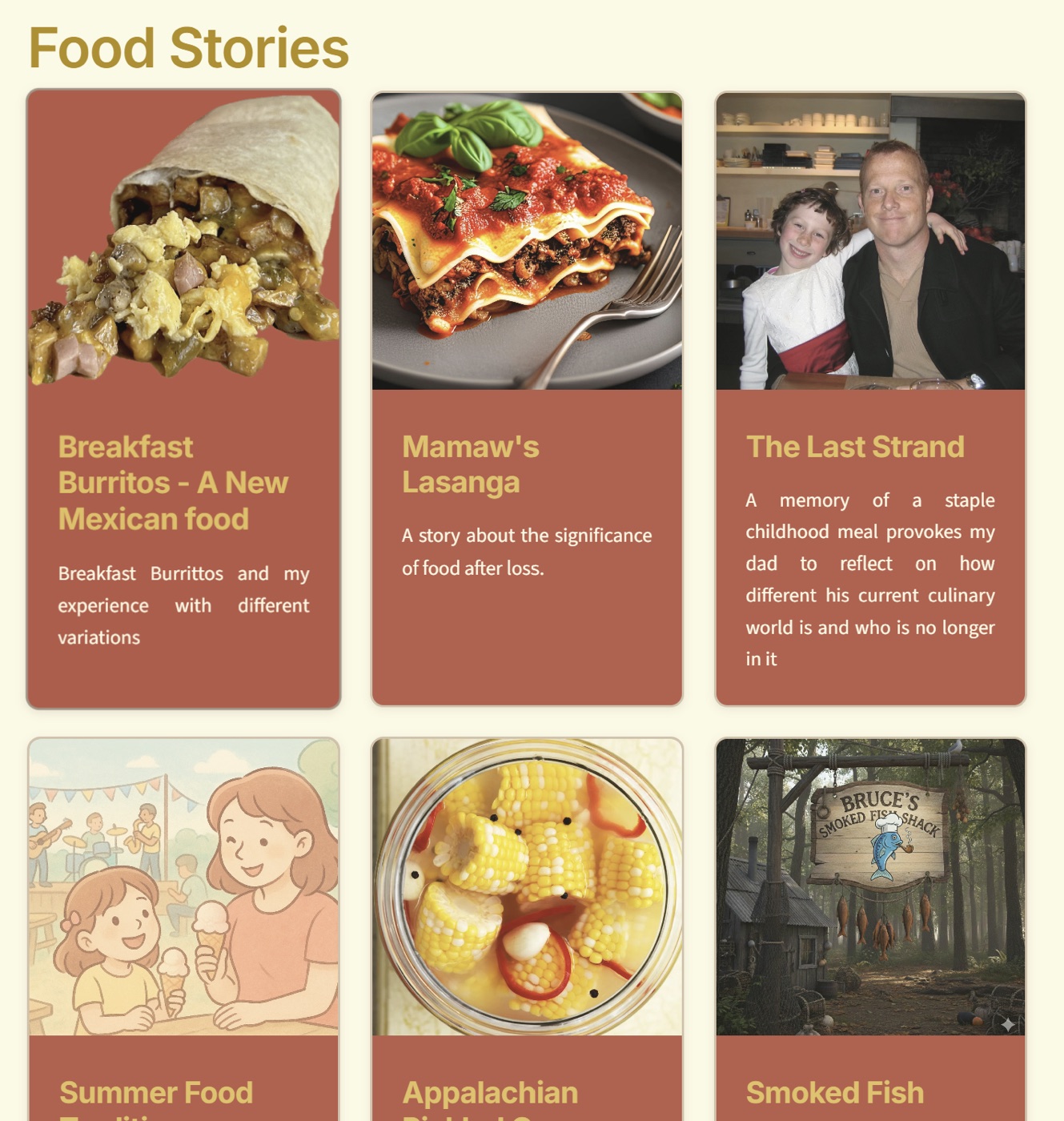
Essays and oral history excerpts side by side, letting students contribute in whichever form suits their material.
Built something with Xanthan? Open an issue or pull request on the Xanthan GitHub repository and we’ll add it here.