Holding Things
Four containers made from bronze, clay and glass show that a vessel is never only about what it holds.
This is sample content. Replace it with your own argument and keep the shape.
A container is a decision. Someone chose what to keep, how to protect it and how much to spend doing it. Looked at together, a bronze offering vessel, a ceramic tomb vessel and two glass containers show how the same basic idea can serve ritual, trade and everyday life.
Containers for the dead and for the gods
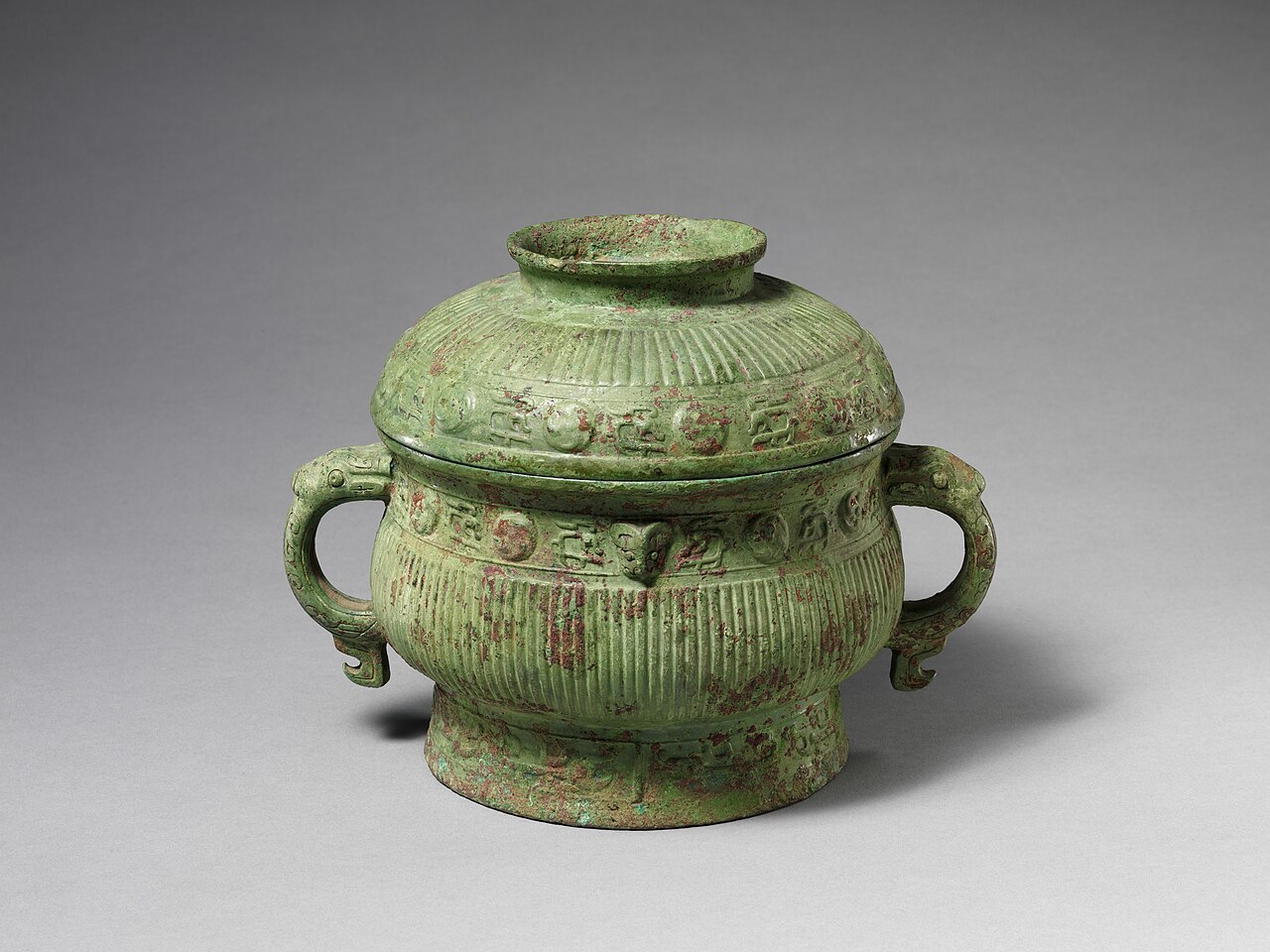
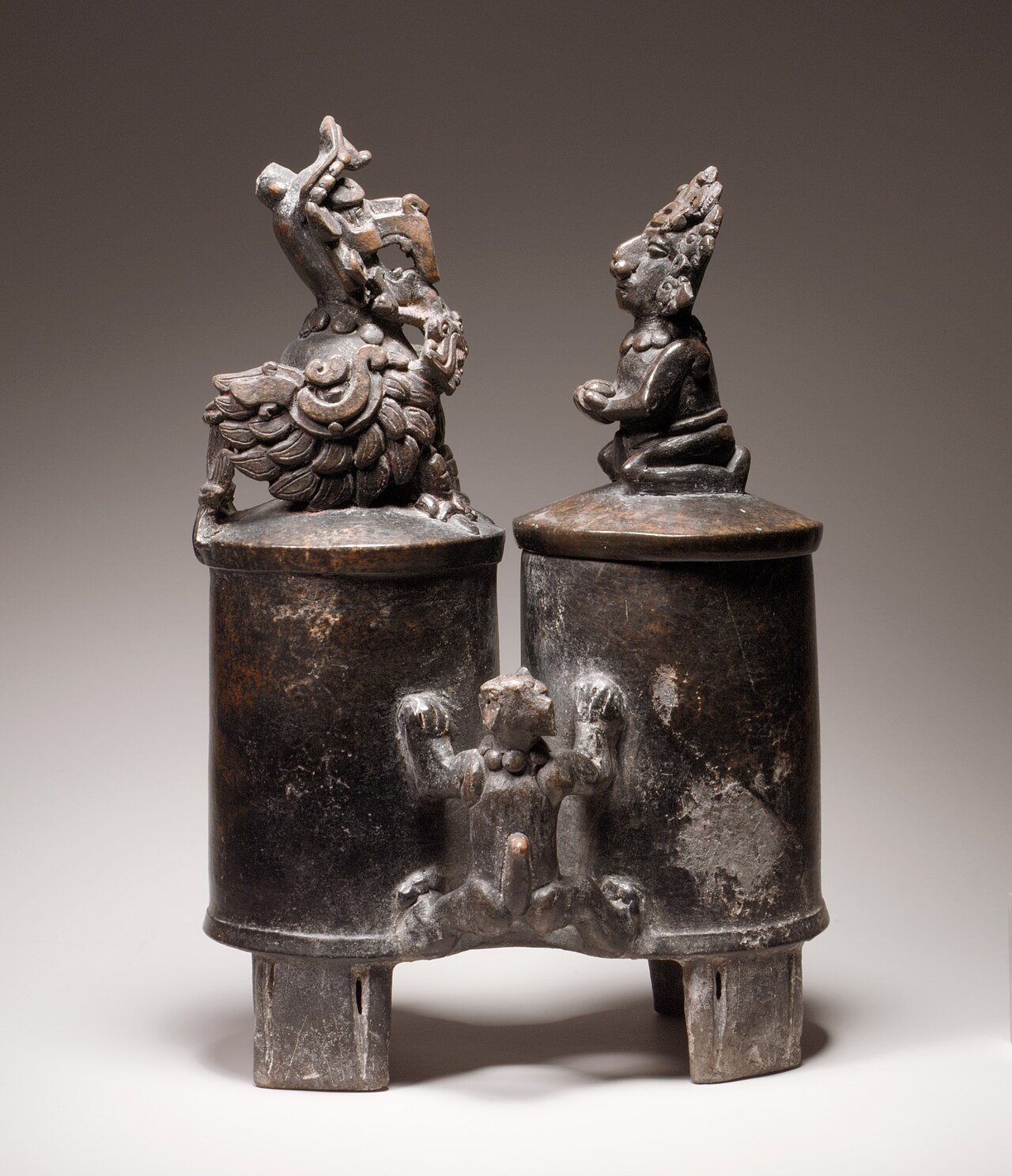
The Ritual Grain Vessel and the Maya vessel were both made for occasions rather than for the kitchen. Their value lay in the ceremony, and the object survives where the contents did not.
Glass changes the rules
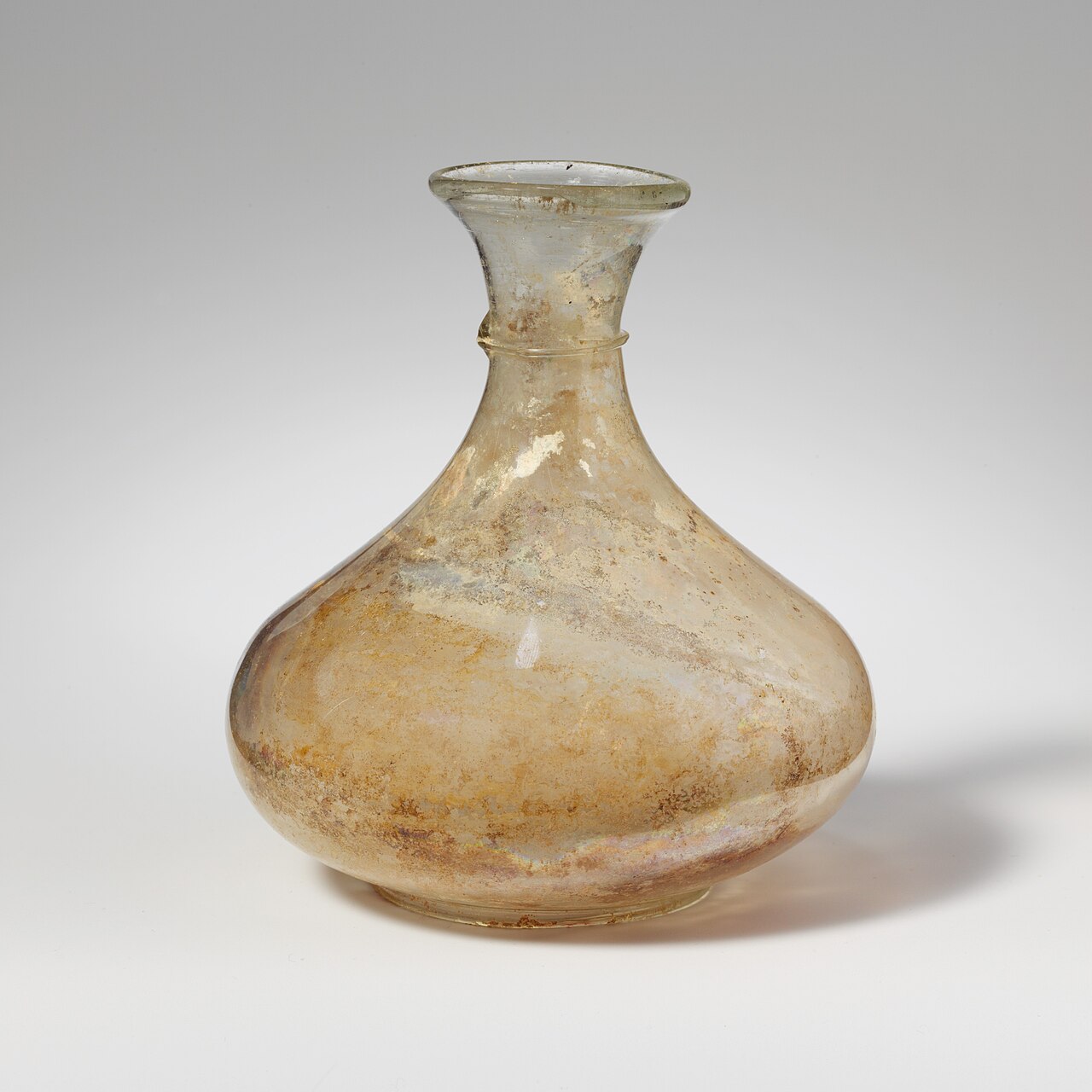
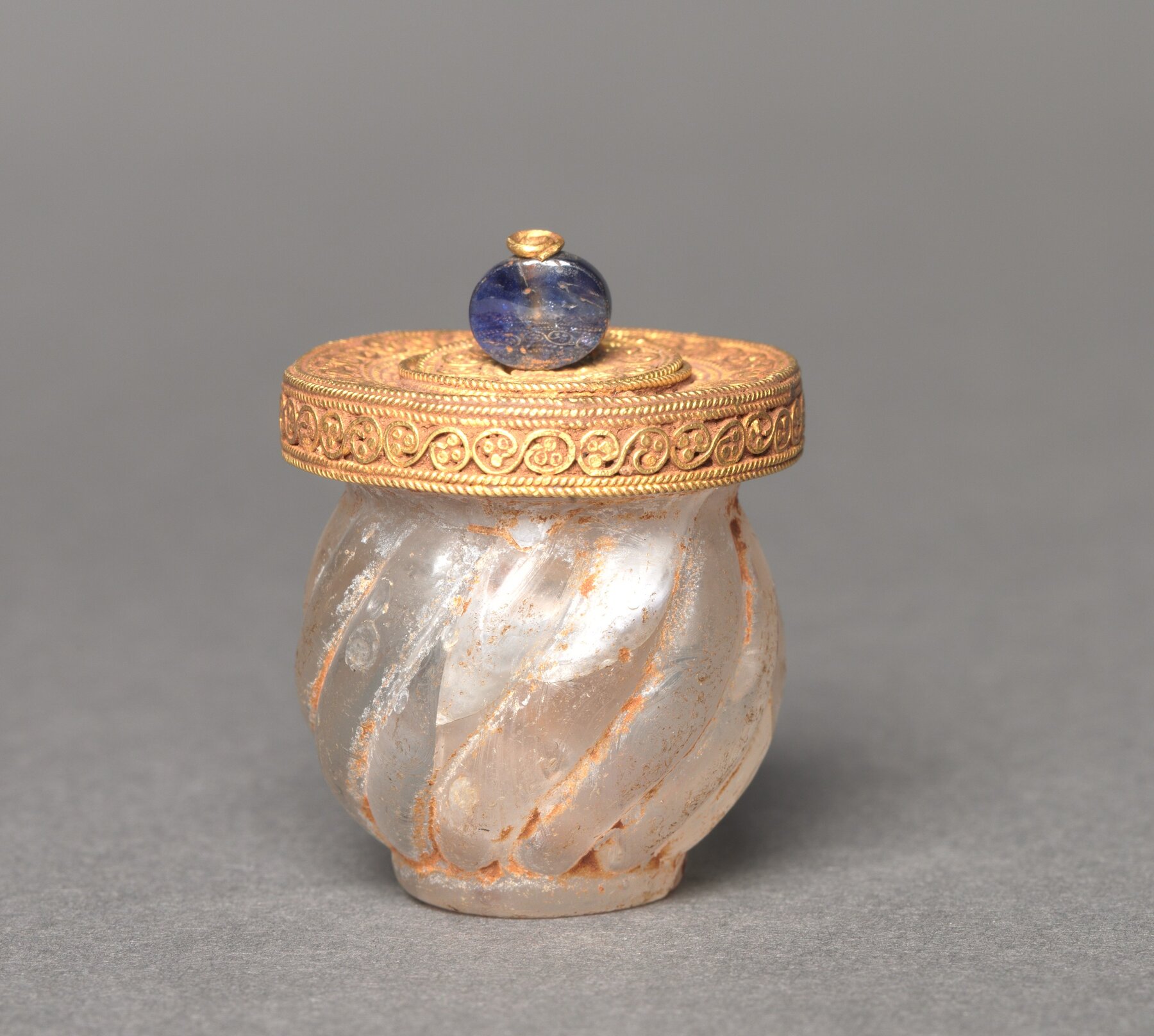
By the time of the Roman flask, blowing made containers fast to produce. The Cosmetic Jar shows the opposite instinct, glass used to signal that what lay inside was precious.
Look closer: what survives?
Containers survive far better than their contents. Our picture of the past is partly a catalogue of packaging.
Sources
- Author. Title. Publisher, Year.