Marks of Ownership
A seal, a scarab and a sword guard, made thousands of years and thousands of kilometres apart, all answer the same question: whose is this?
This is sample content. Replace it with your own argument and keep the shape.
Long before signatures, people needed a way to say that something was theirs, or that a message came from someone with authority. They solved the problem with small objects that could be pressed, carried or worn, and the results are some of the most intimate evidence we have of how power worked.
Pressing a name into clay
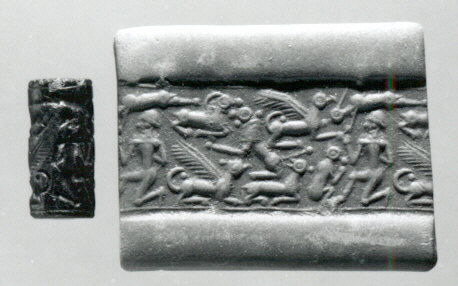
The Mitanni Cylinder Seal is a signature in the form of a stone. Rolled across wet clay, it left a scene that proved a jar had not been opened or a document had been approved.
Announcing a marriage
The Scarab of Queen Tiye works differently. It was not a private mark but a public message, produced in numbers so that news of a royal marriage could travel.
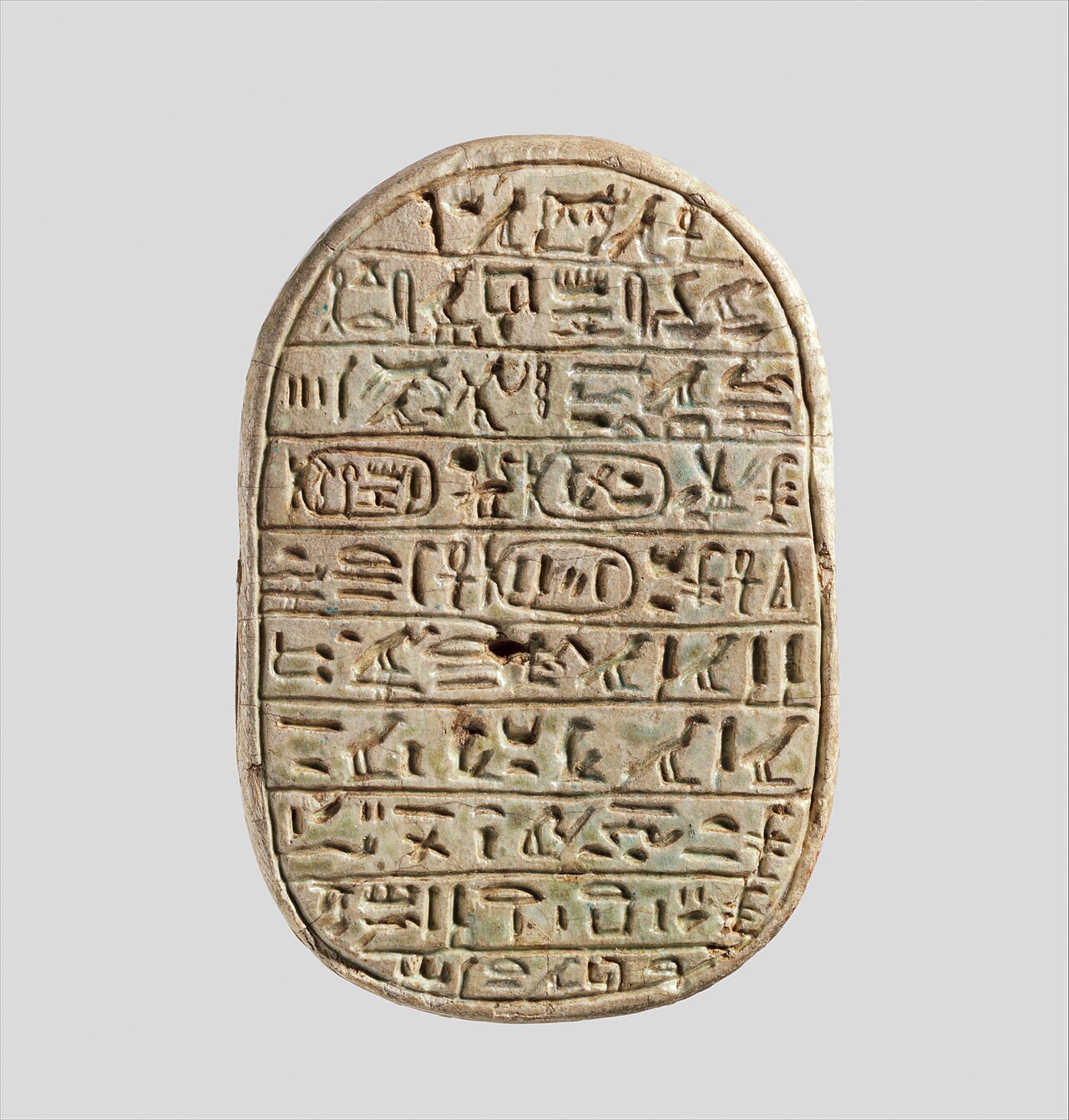 From the collection · about 1390-1352 BCE
Scarab Commemorating a Royal Marriage
The same text on many scarabs: an announcement made portable.
Wearing status
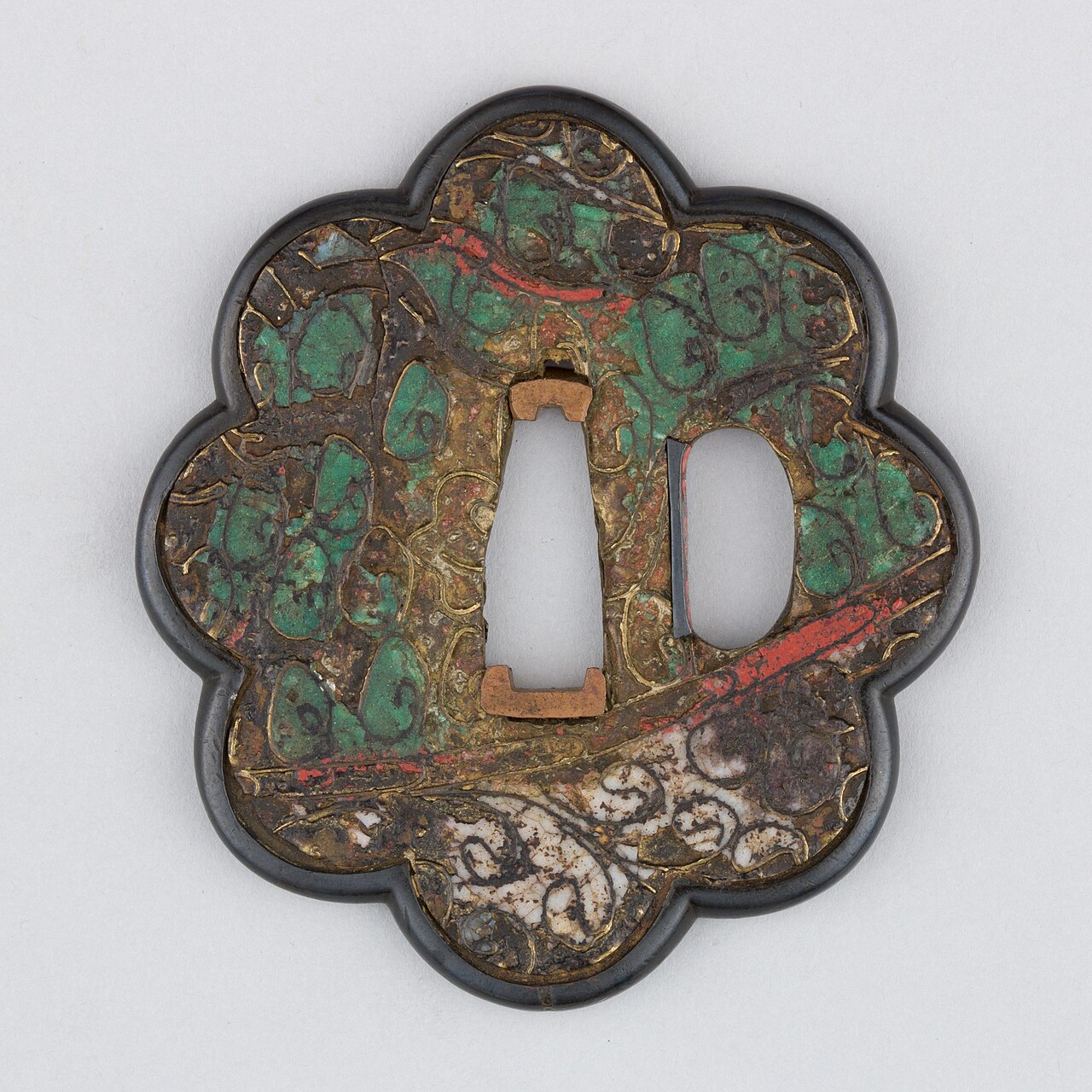
By the time the Tsuba was made, the sword at its centre was rarely drawn. The guard had become the place where its owner’s taste was displayed.
Look closer: identity as design
Compare the three objects. One is about authority, one about proclamation, one about taste. Each is a small object doing a large social job.
Sources
- Author. Title. Publisher, Year.
In the collection