1 / 4
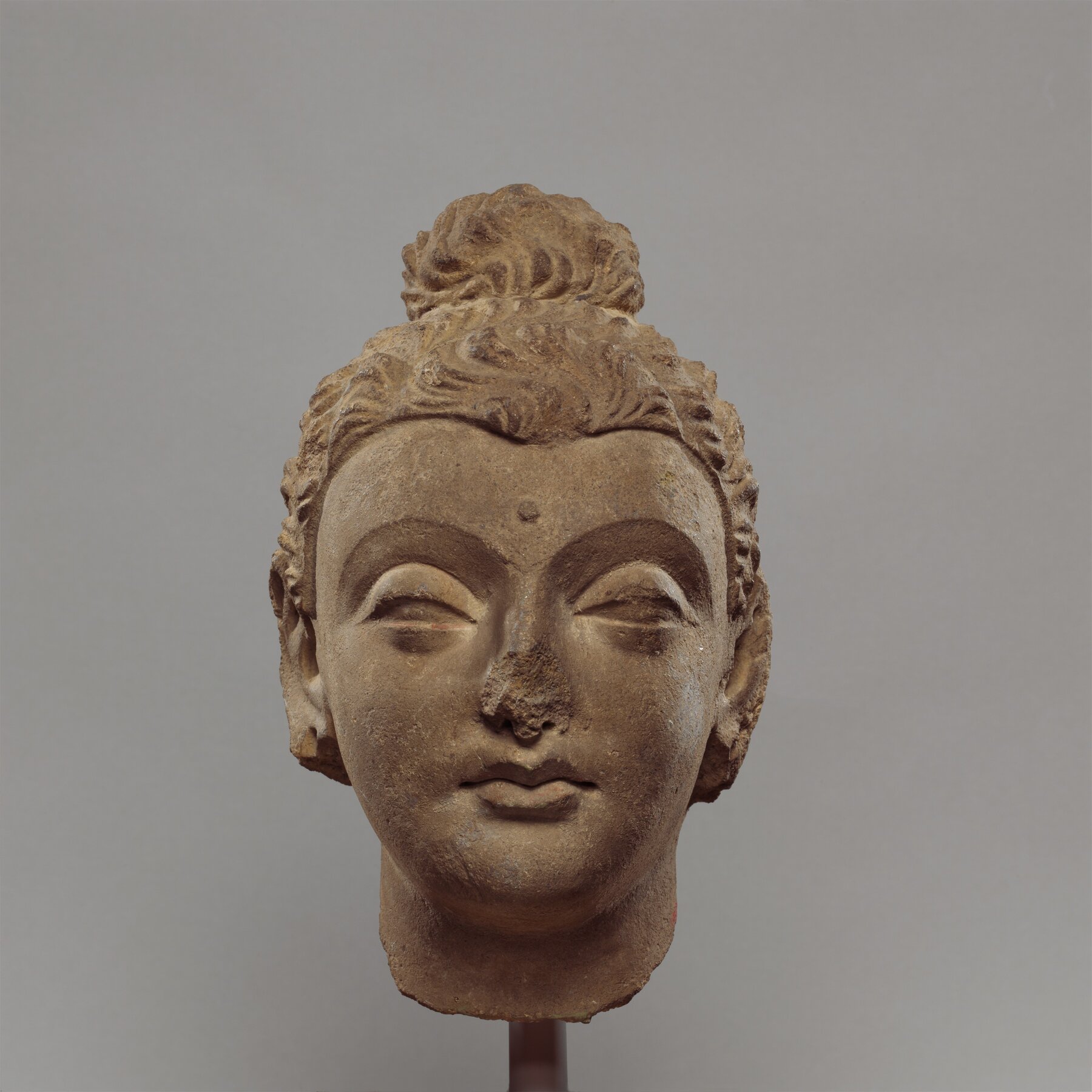
Head of the Buddha
4th–5th century CE · Gandhara (present-day Pakistan)
A face that carries a belief across a border and a tradition of carving with it.
Look closelyPeople have always looked up and tried to understand what they saw. These objects show belief and measurement working side by side.
This is sample content. Replace it with your own introduction and keep the shape.
Religion and astronomy were rarely separate subjects. The same people who watched the sky also asked what lay beyond it. In this room, a carved face, a painted dragon, a brass instrument and a burial vessel each answer the same question in a different way.
4th–5th century CE · Gandhara (present-day Pakistan)
A face that carries a belief across a border and a tradition of carving with it.
Look closely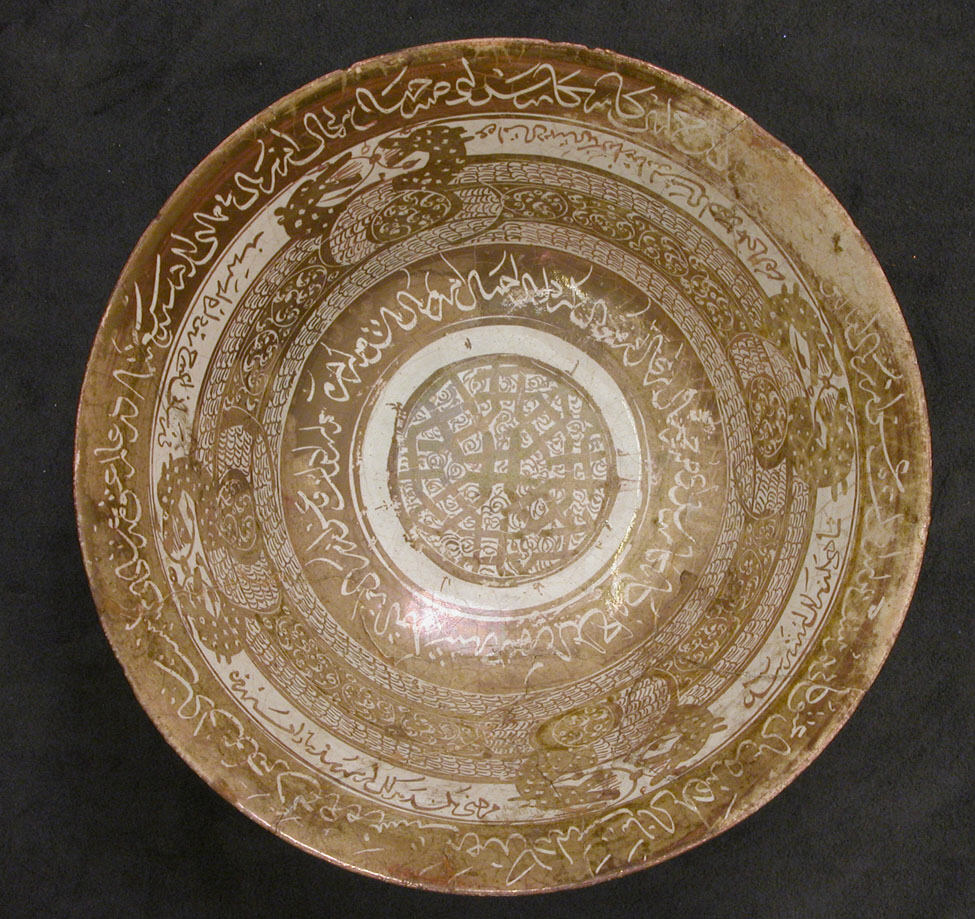
607 AH / 1210 CE · Tabriz, Iran
Dragons that some scholars read as a defence against eclipses.
Look closely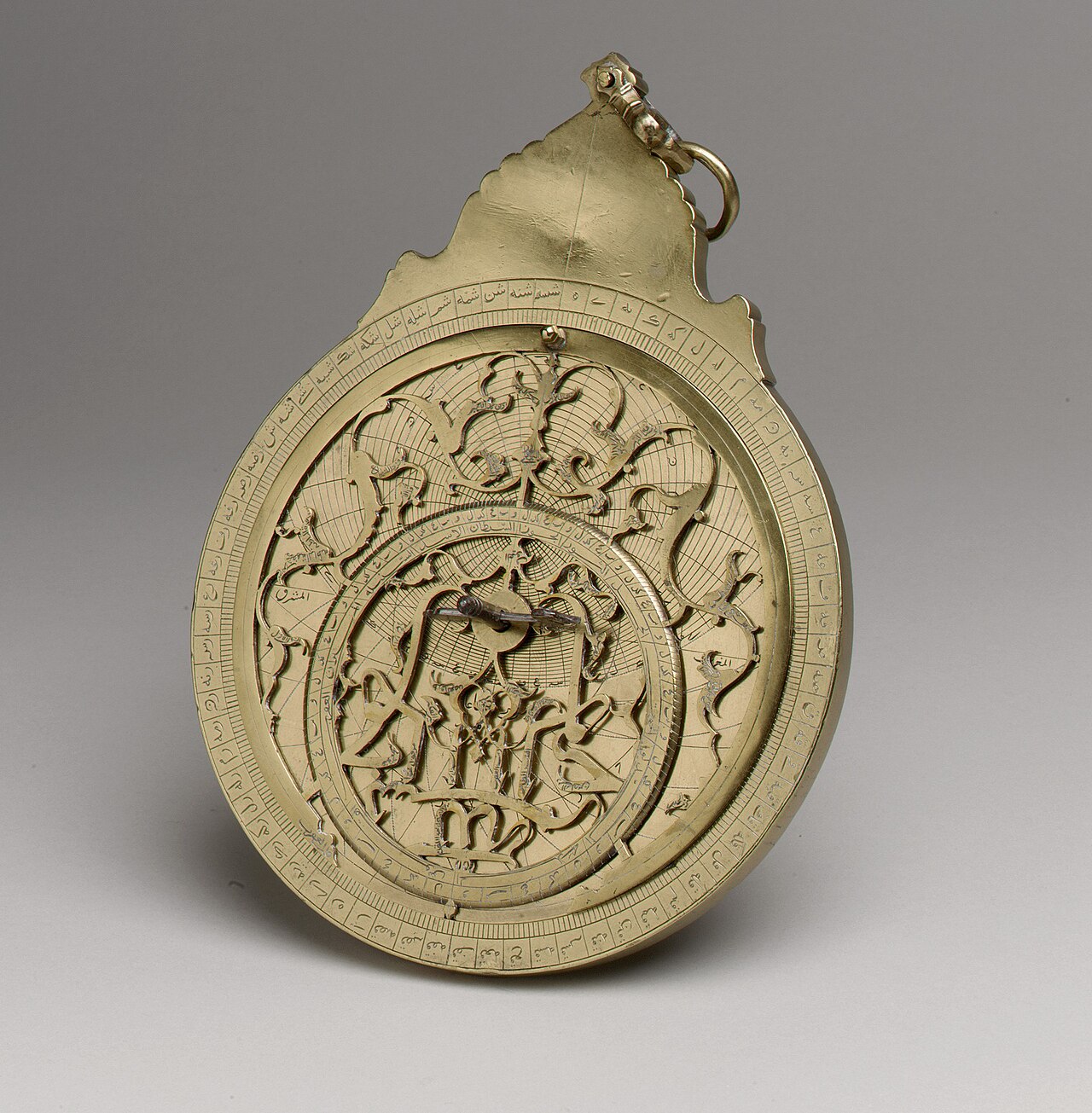
AH 1065 / 1654-55 CE · South Asia, Mughal period
A handheld model of the sky, used to find the time and the direction of prayer.
Look closely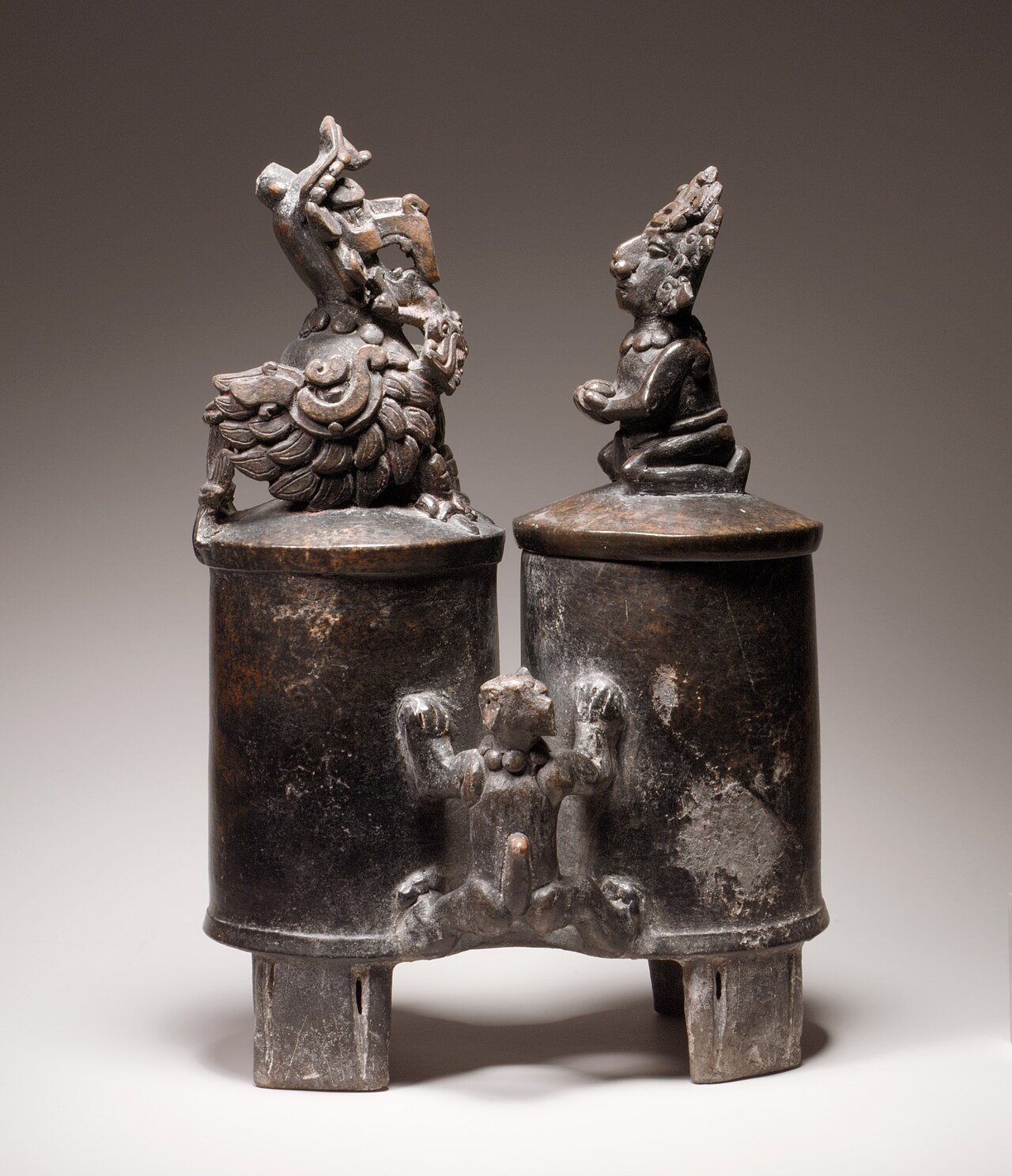
about 5th century CE · Maya region (present-day Guatemala)
A container for the journey after death, made by a culture that tracked the heavens closely.
Look closely