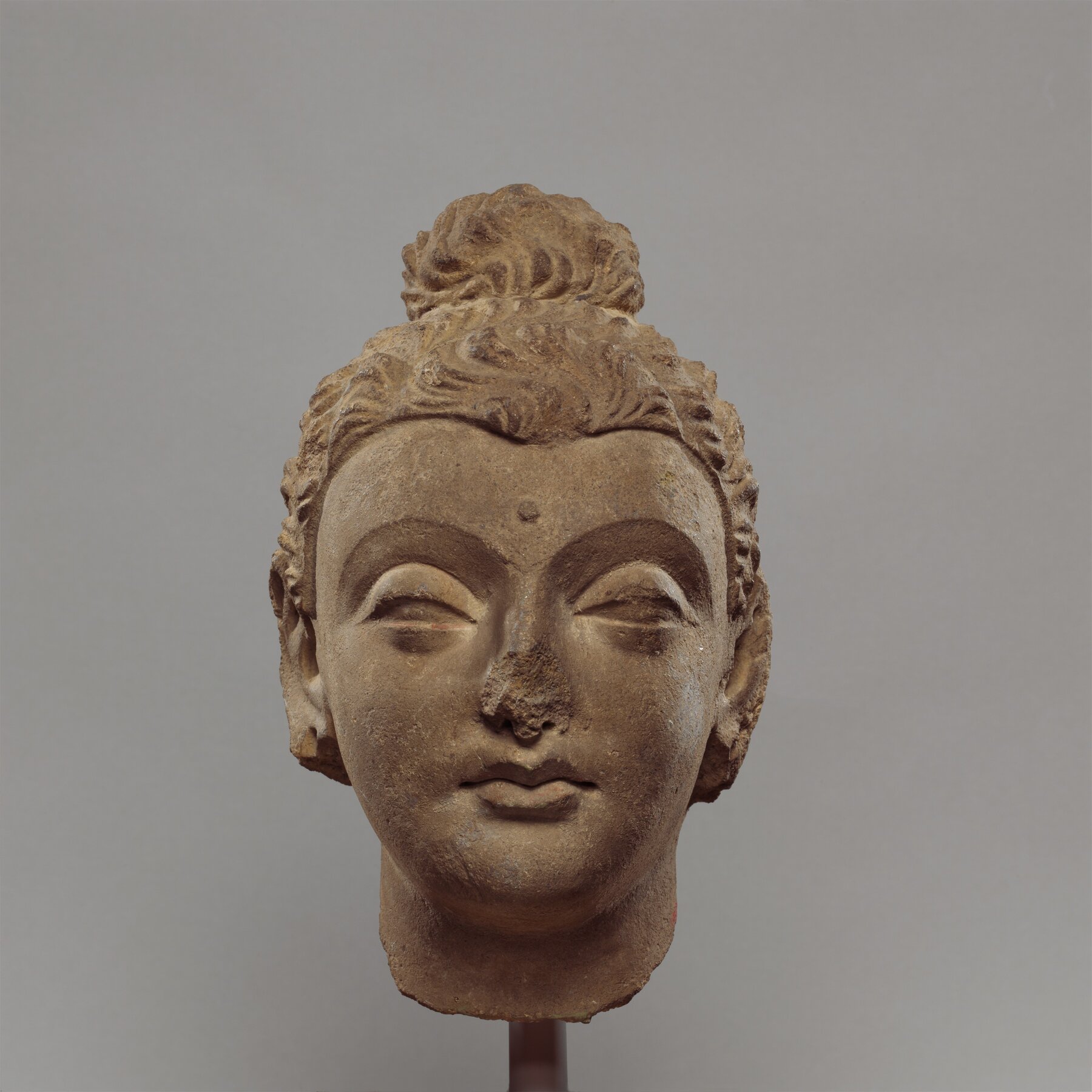
Head of the Buddha
A stucco head in which a South Asian subject is carved with Greek sculptural habits, a single object holding two traditions at once.
- Date
- 4th–5th century CE
- Maker
- Unknown Gandharan workshop
- Place
- Gandhara (present-day Pakistan)
- Medium
- Stucco with traces of paint
- Dimensions
- Height about 25 cm
- Held by
- The Metropolitan Museum of Art
- Accession
- Sample record
Entry by Your Name
This is sample content. Replace it with your own object and keep the shape.
About this object
Open with what a reader needs before the argument starts: what the thing is, where it came from, what it is made of, and who made it. The facts in the label beside the picture come from the top of this page, so there is no need to repeat them here. Use this section to say it in plain sentences.
Looking closely
Describe what you can actually see, then what it implies. Wavy hair, heavy lids, and a naturalistic mouth belong to a Mediterranean tradition of carving. The subject, a Buddha, does not.
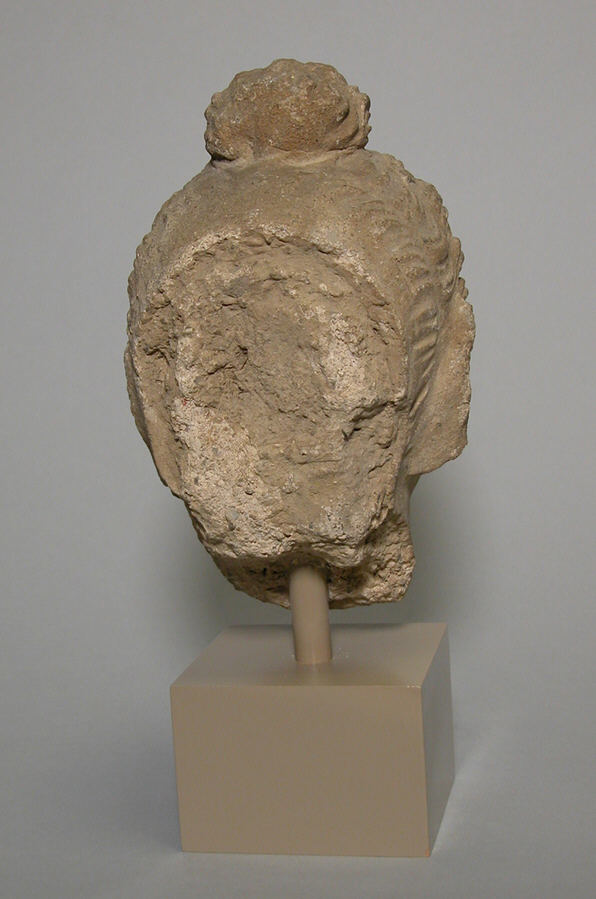
Look closer: the unfinished back
The reverse is only roughly shaped. The head was meant to be seen from the front, probably set into a wall or a niche, which tells us something about where it once stood.
Why this object is in the collection
Say what this object lets a reader see that another object would not.1
Sources
- Author. Title. Publisher, Year.
-
Author, Title (Publisher, Year), 00. ↩