The Missing Contents
This is sample content. Replace it with your own argument and keep the shape.
Every object in this collection is incomplete, and the incompleteness is not damage — it is the ordinary condition of surviving. The colour has gone off one, the contents out of another, and the practice that made sense of the third has left no record at all. An essay can say what an object page cannot: that the absence is itself evidence, and of what.
Objects in this essay
Three things read for what is not there.
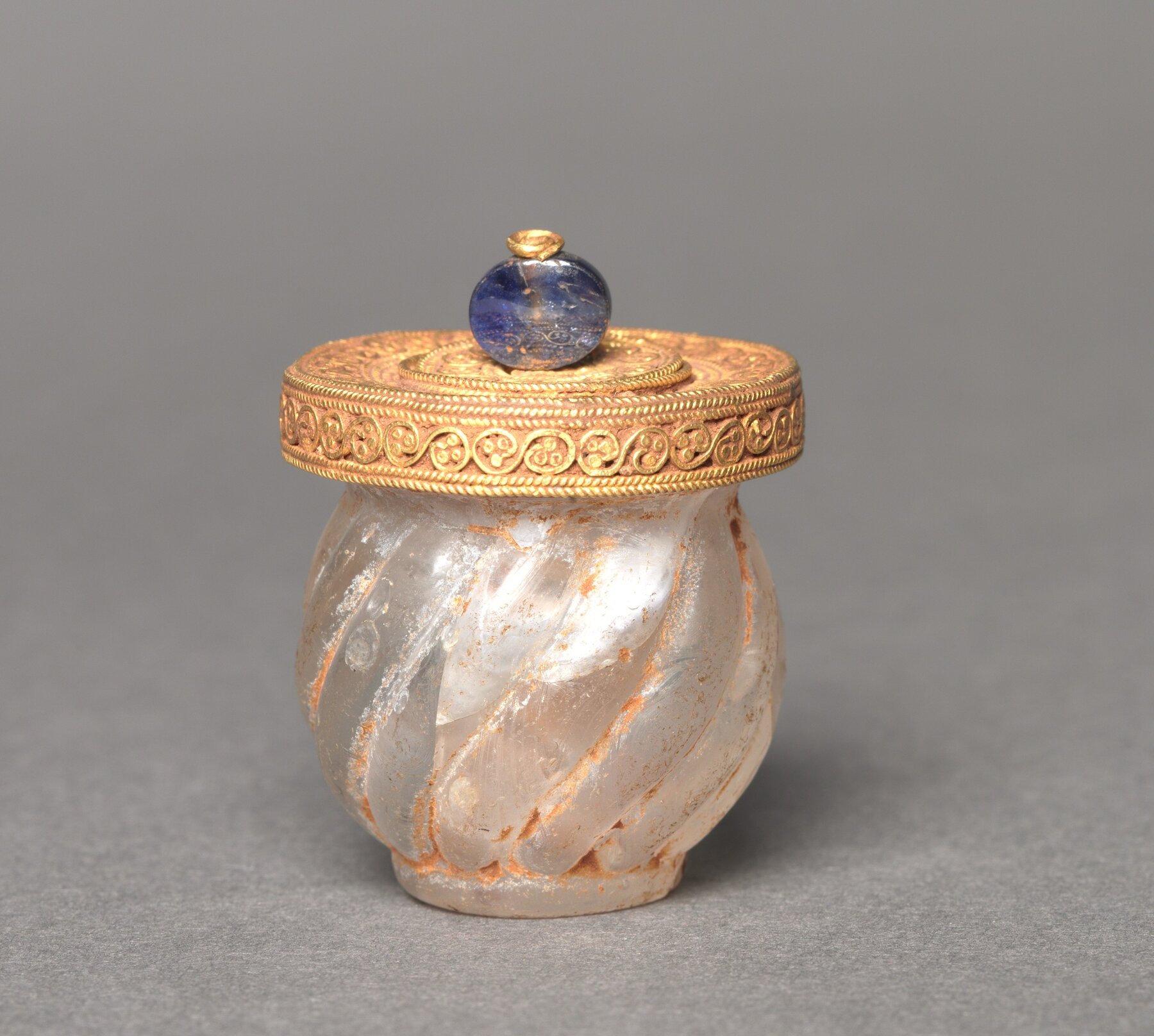
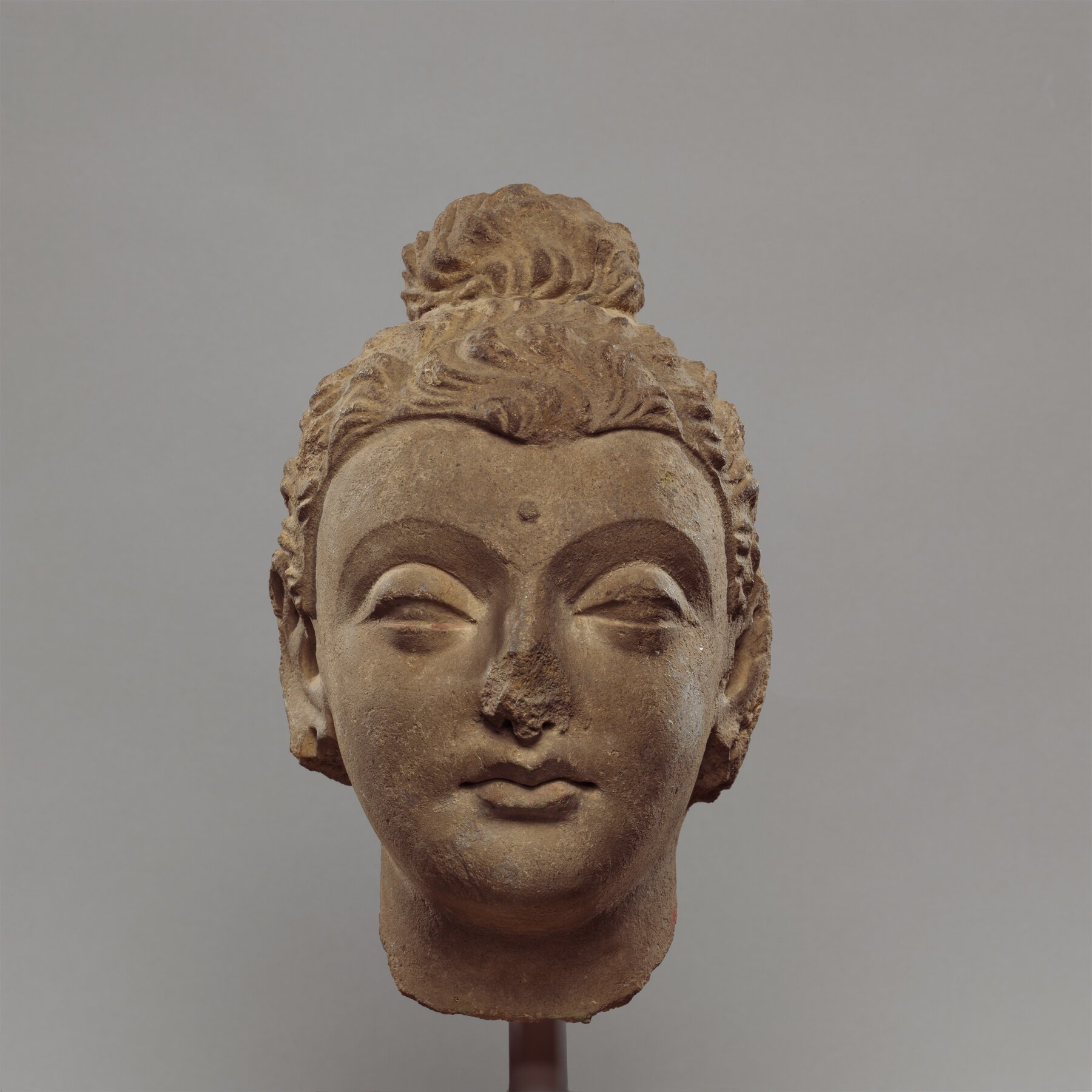
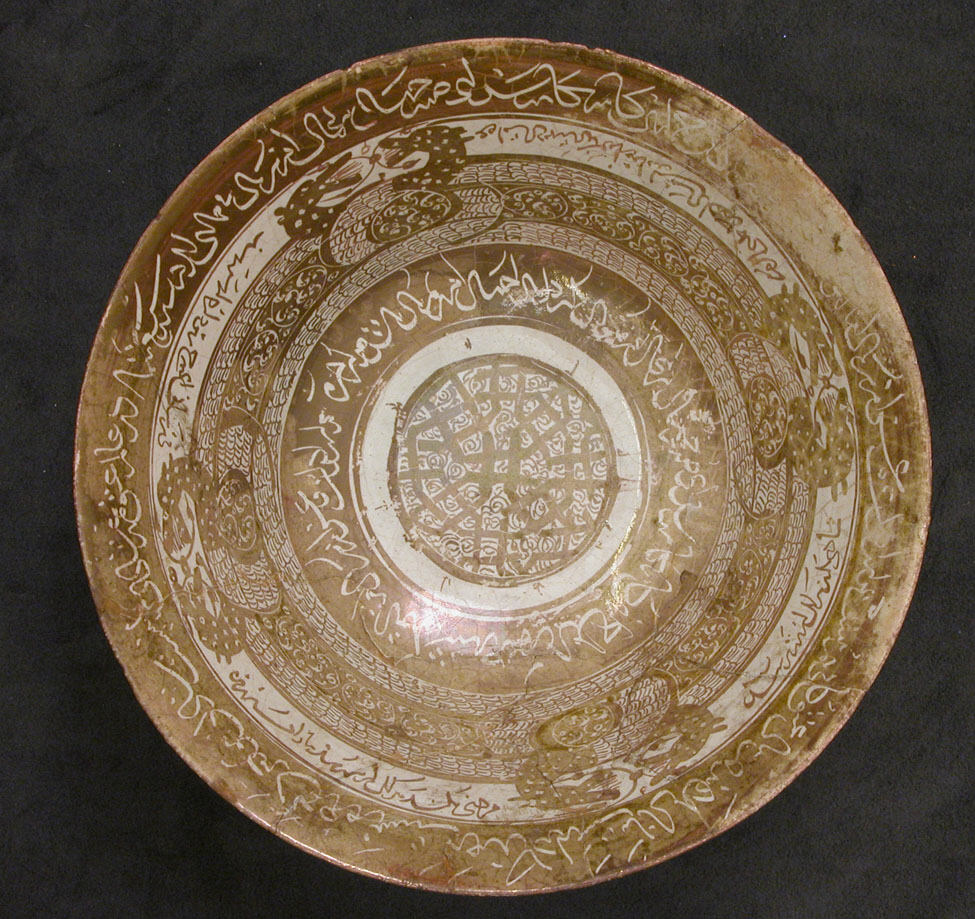
The substance that evaporated
The Cosmetic Jar is a container built to a standard its contents must have justified: worked glass, a gilt mount, a lid made to seal. Whatever it held was worth that expense and has not survived a day of it.
This is the ordinary asymmetry of material evidence. Ceramics, stone, and glass outlast textiles, pigments, oils, and food by orders of magnitude, so a collection assembled from what survives will always over-represent the durable. Saying so on the page is more honest than letting the silence pass for absence.
The paint that wore off
The Head of the Buddha is catalogued as stucco with traces of paint, which is a museum’s way of saying it was once a coloured object and is now a grey one. Every photograph of it — including the one on its own page — records a state its makers never saw.
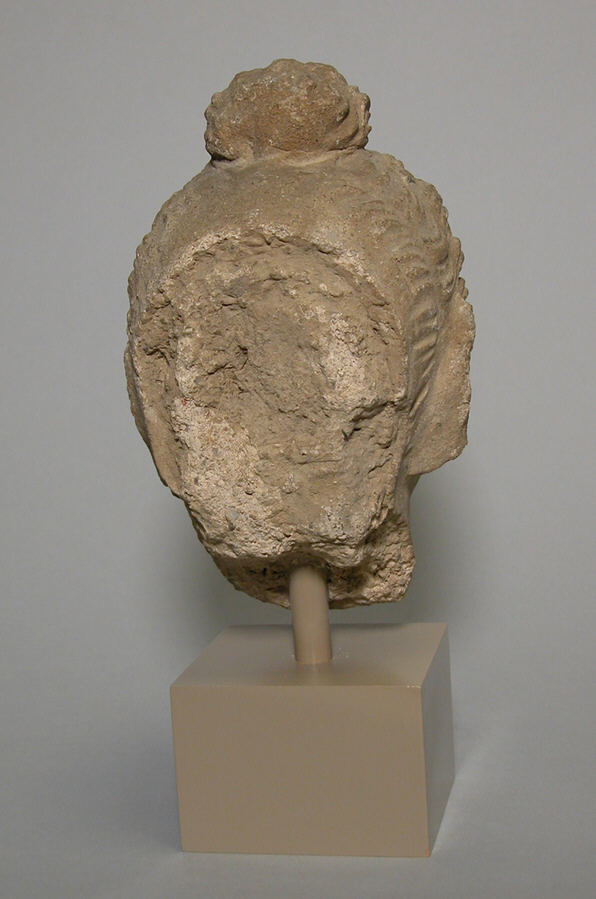
The back of the same head. The Metropolitan Museum of Art, open access.
The unfinished reverse says something too: the head was made to be seen from the front, set into a wall or a niche. What is missing here is not only the paint but the building.
The belief that left no text
The dragons on the Bowl with Dragons have been read as a device against eclipses. That reading rests on iconography and analogy rather than on anyone writing down what they thought the bowl was for. The object is firm evidence; the practice around it is an inference, and an essay is the right place to say which is which.
Writing your own
Two habits worth keeping when an argument runs on absence:
Mark the join between evidence and inference. The jar is a fact. What it held is a reasonable guess. Readers can follow an argument built on guesses provided the guesses are labelled.
Let an object serve more than one essay. Two of the three above are also read in Borrowed Forms, and all three sit on the map. Citing an object twice needs no coordinating — collections get their depth from things that carry more than one argument.
Bibliography
- Author. Title. Publisher, Year.