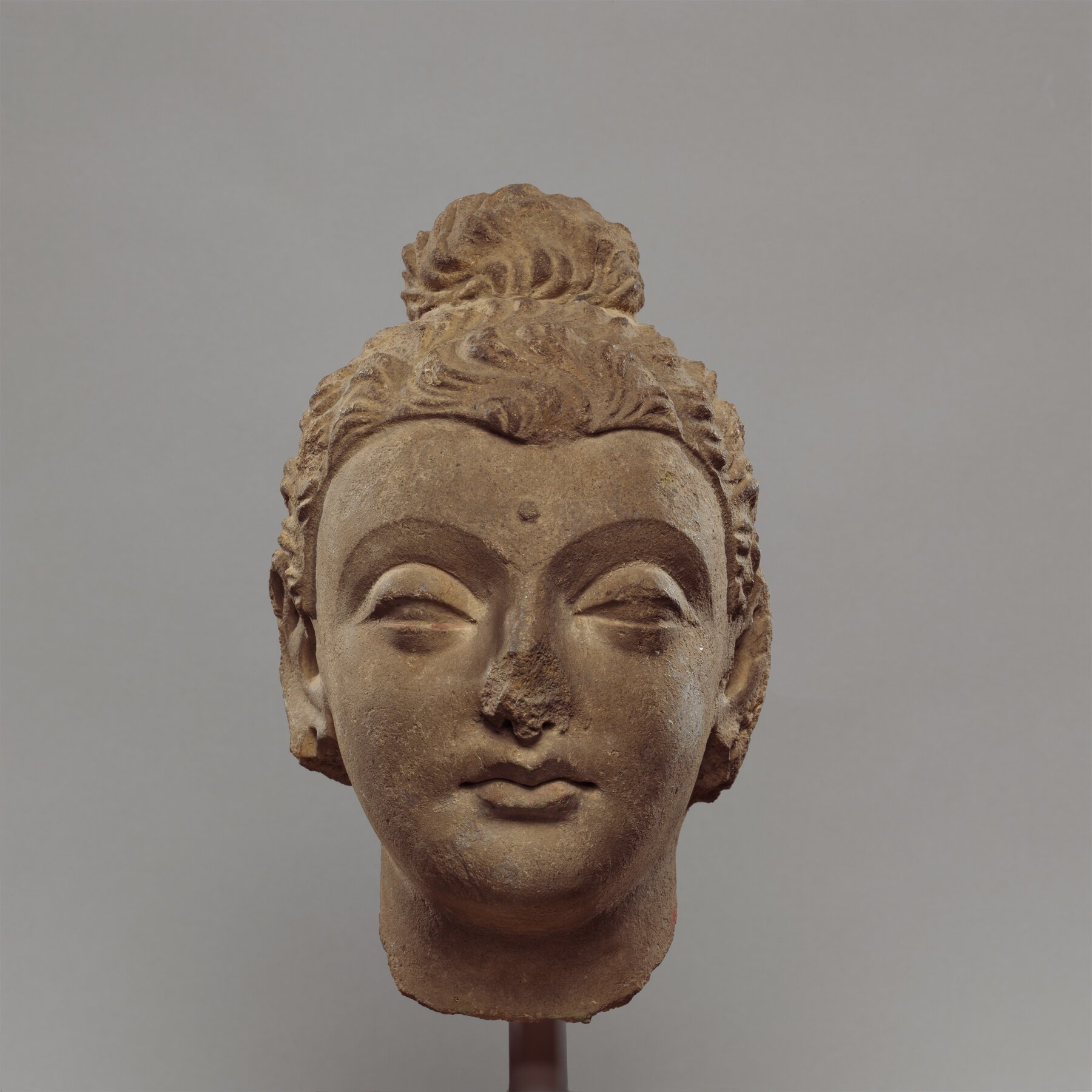
Borrowed Forms
A Greek way of carving a face and a Chinese way of drawing a dragon, both a long way from home — shapes travel more easily than the meanings attached to them.
An object page describes one thing. An essay follows something through several of them — a motif, a material, a habit of making, a silence in the record — and says what the collection knows that no single entry can. This is where a collection stops being an inventory and starts making a claim.
A Greek way of carving a face and a Chinese way of drawing a dragon, both a long way from home — shapes travel more easily than the meanings attached to them.
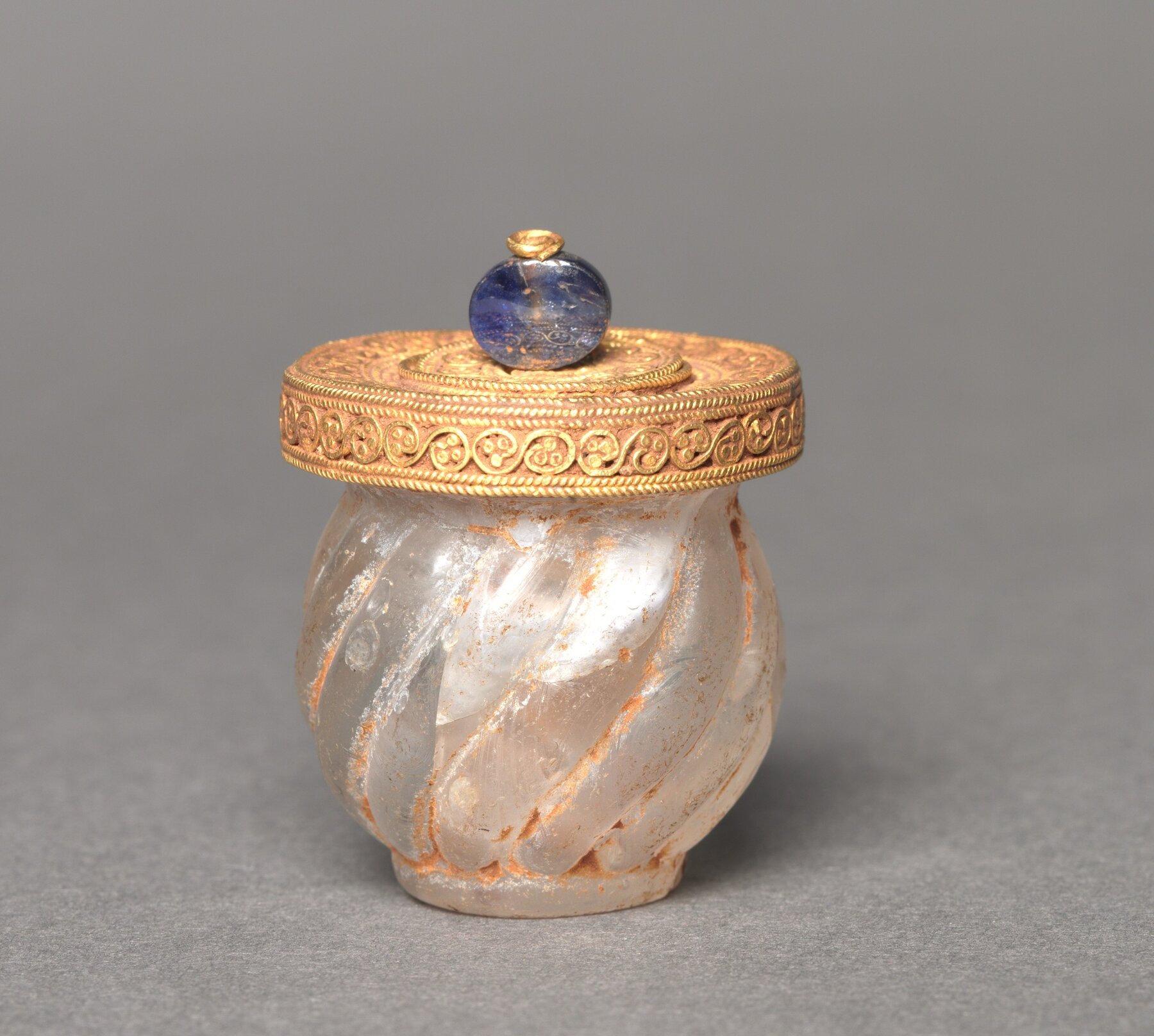
Paint that has worn away, a substance that has evaporated, a belief nobody records — three objects read for what is no longer in them.
The two sample essays above deliberately overlap. The Head of the Buddha appears in both, once as evidence of a borrowed carving tradition and once as an object whose paint has gone. That is the point: an object is not used up by the first argument made about it, and a reader who arrives at it from one essay can leave through another.
So the relationship runs both ways. Essays name objects, and the objects sit in the collection independent of any essay that cites them. Nothing breaks if an essay is deleted, and nothing needs updating when an object is added.
Like the other index pages, this one is a query rather than a list:
{% assign essays = site.pages
   | where_exp: "p", "p.path contains 'essays/'"
   | where_exp: "p", "p.path != 'essays/index.md'" %}
The second line keeps this page from listing itself. Add a folder under
essays/ with an index.md in it and a card appears here; the card’s picture is
that essay’s thumbnail, its text is summary, and the pills are its tags.
Set position: 1, position: 2 and so on in an essay’s front matter to fix the
reading order — without it the cards come out in whatever order Jekyll found the
folders.
Instructions has the full front matter list and the pattern for citing objects inside an essay.