1 / 5
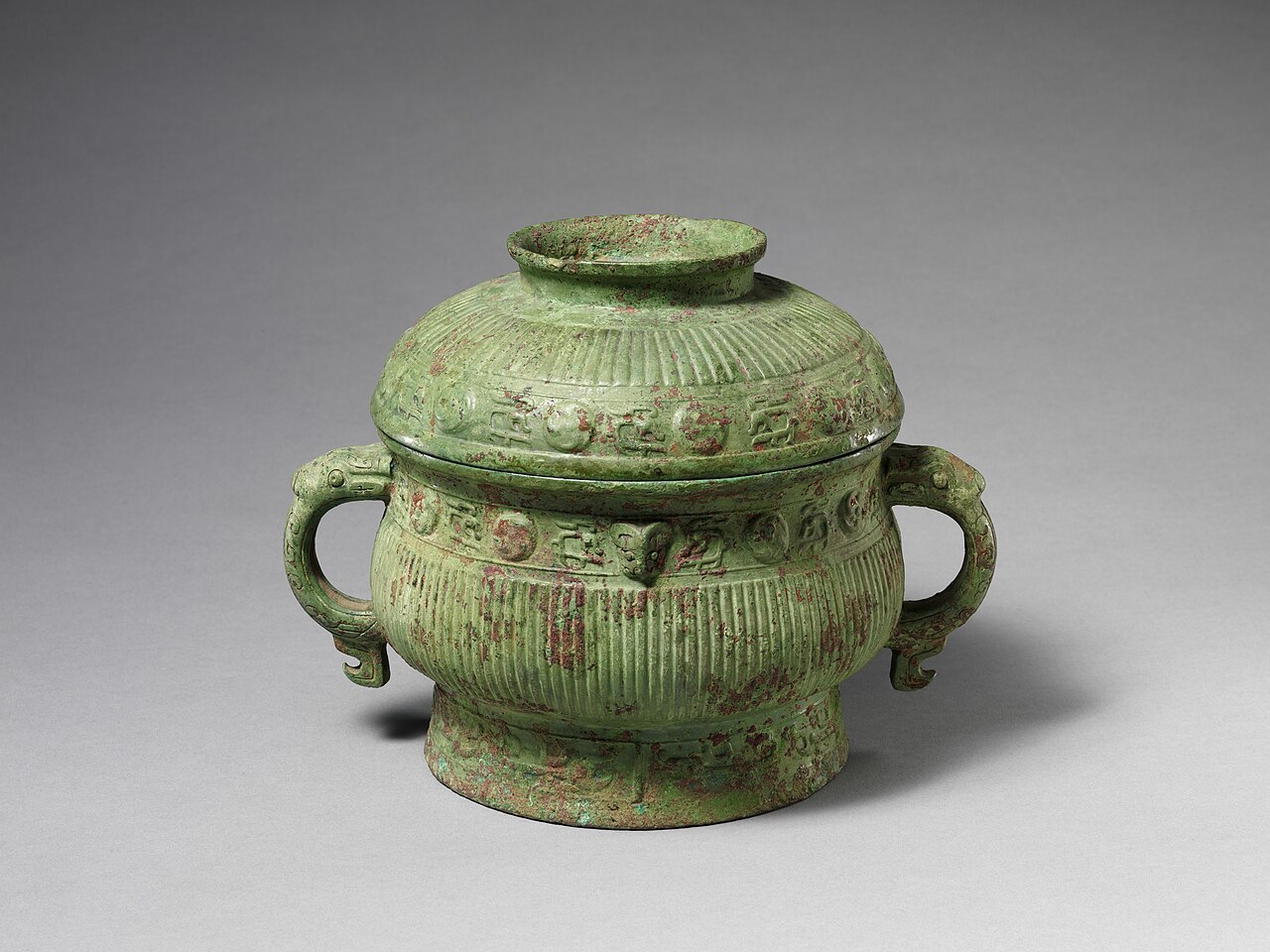
Ritual Grain Vessel (Gui)
late 11th-early 10th century BCE · China (Western Zhou dynasty)
Bronze made for offerings of grain, a vessel whose contents were meant for ancestors.
Look closelyEvery culture makes things to hold other things. What they chose to hold, and how carefully, tells us what they valued.
This is sample content. Replace it with your own introduction and keep the shape.
A room needs a short introduction: two or three paragraphs that say what ties the objects together and what a visitor should look for as they move through. Here the question is simple. A container is made to protect or present what is inside it, so every vessel is also a statement about how much its contents mattered.
late 11th-early 10th century BCE · China (Western Zhou dynasty)
Bronze made for offerings of grain, a vessel whose contents were meant for ancestors.
Look closely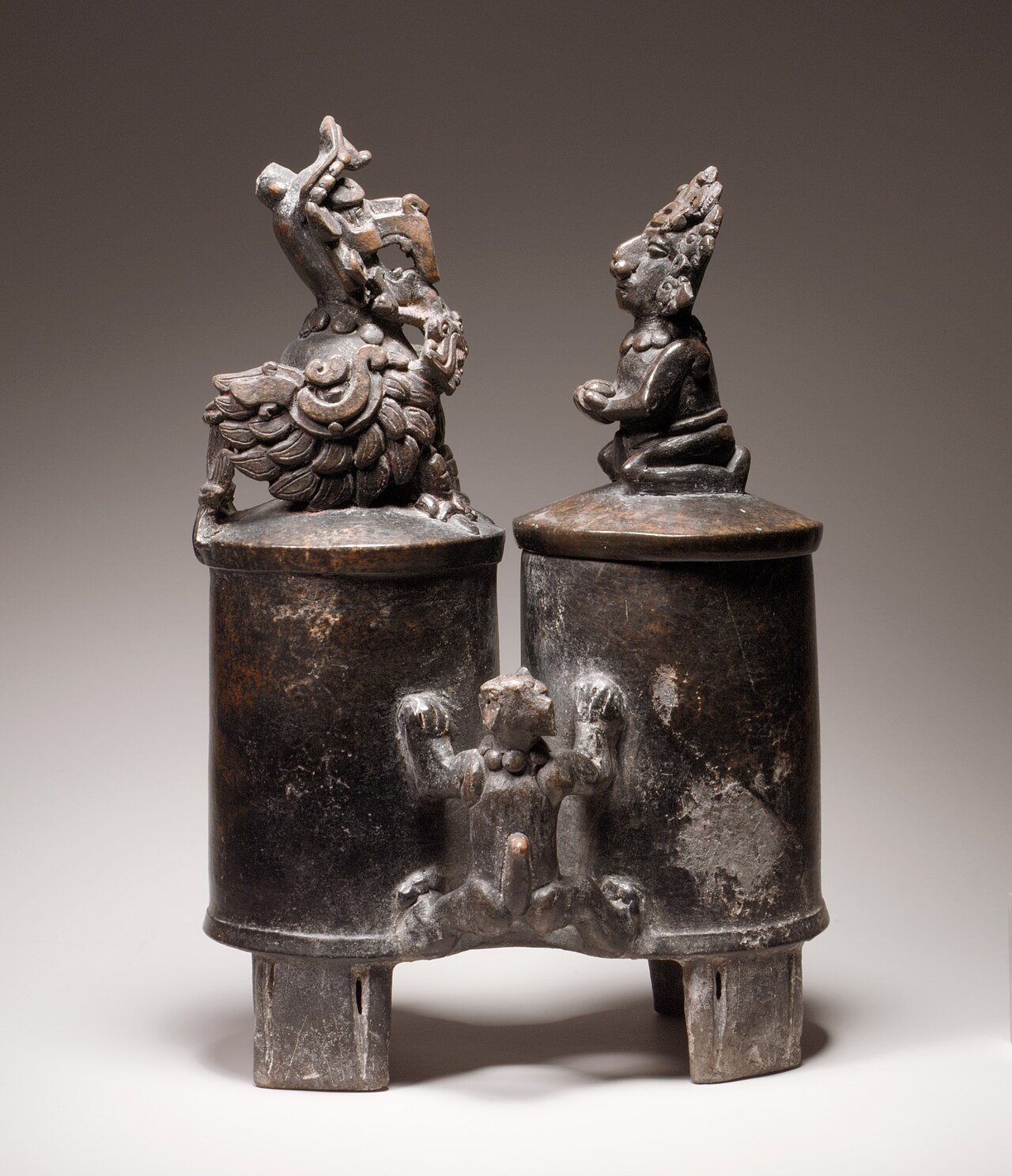
about 5th century CE · Maya region (present-day Guatemala)
A lidded ceramic that travelled with its owner into the tomb.
Look closely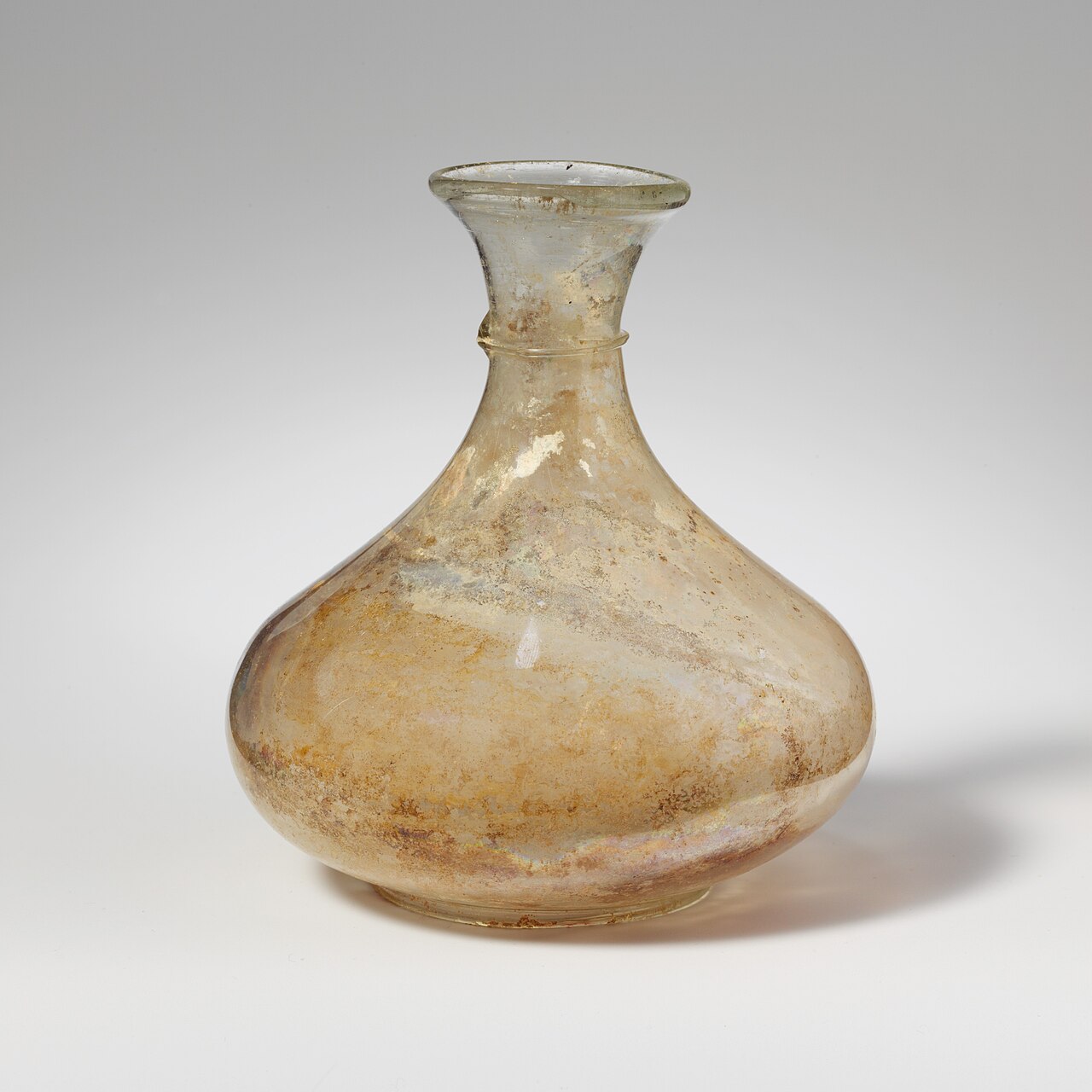
3rd century CE · Eastern Mediterranean, Roman period
Breath-blown glass made storage cheap, light and see-through.
Look closely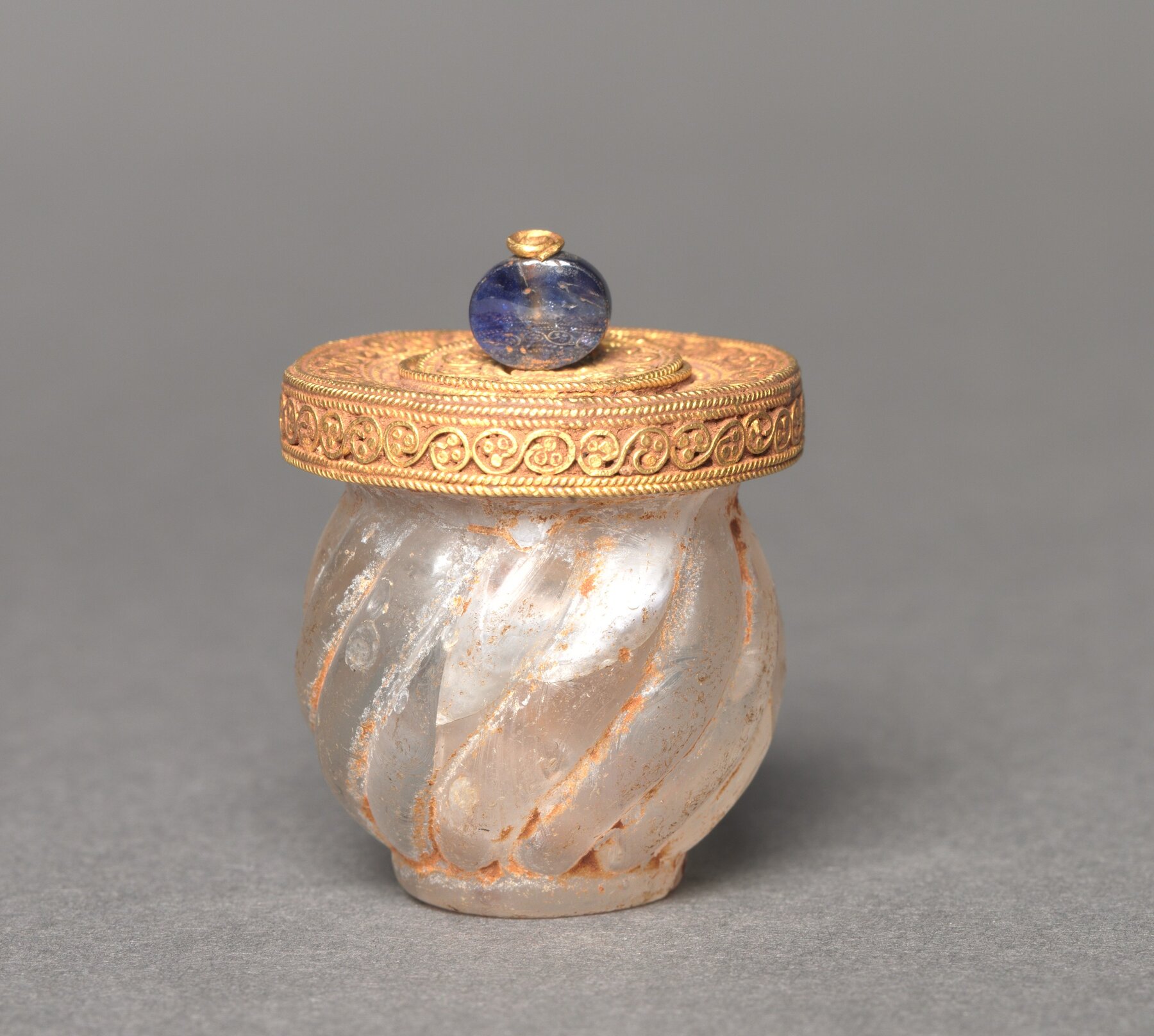
6th century CE · Constantinople (present-day Istanbul)
A small jar in costly materials, made for something that has not survived.
Look closely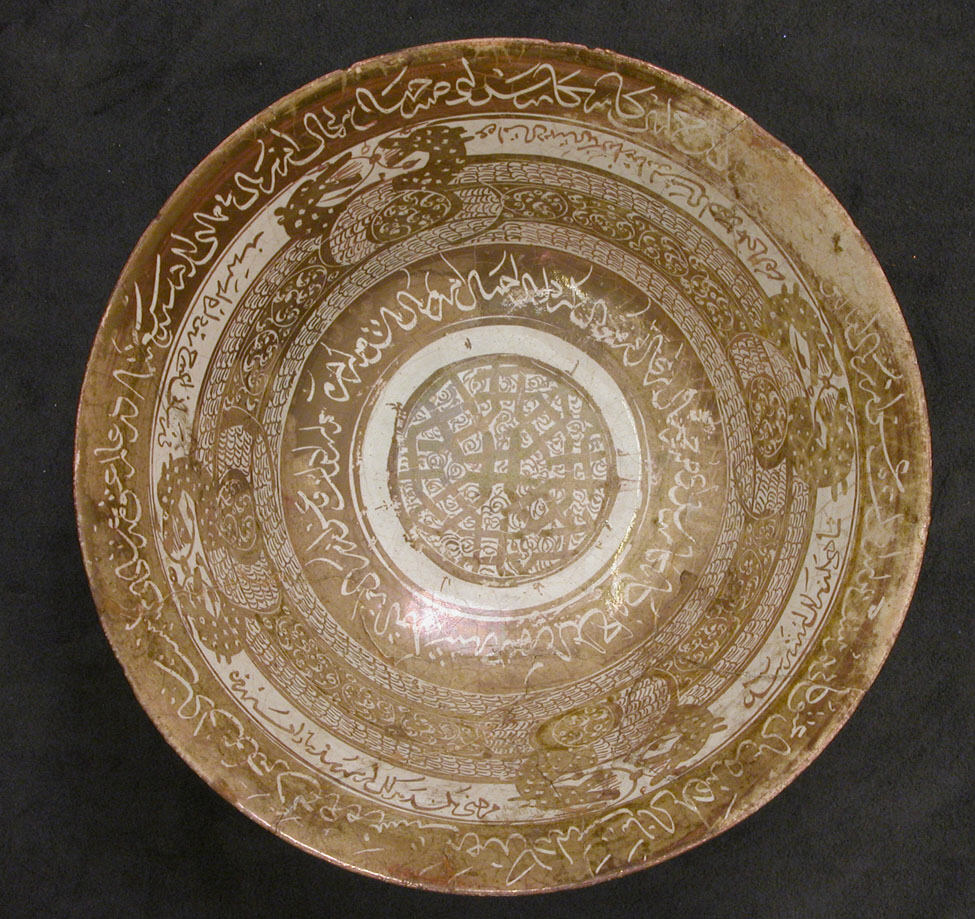
607 AH / 1210 CE · Tabriz, Iran
A glazed bowl whose surface carried a picture as well as food.
Look closely