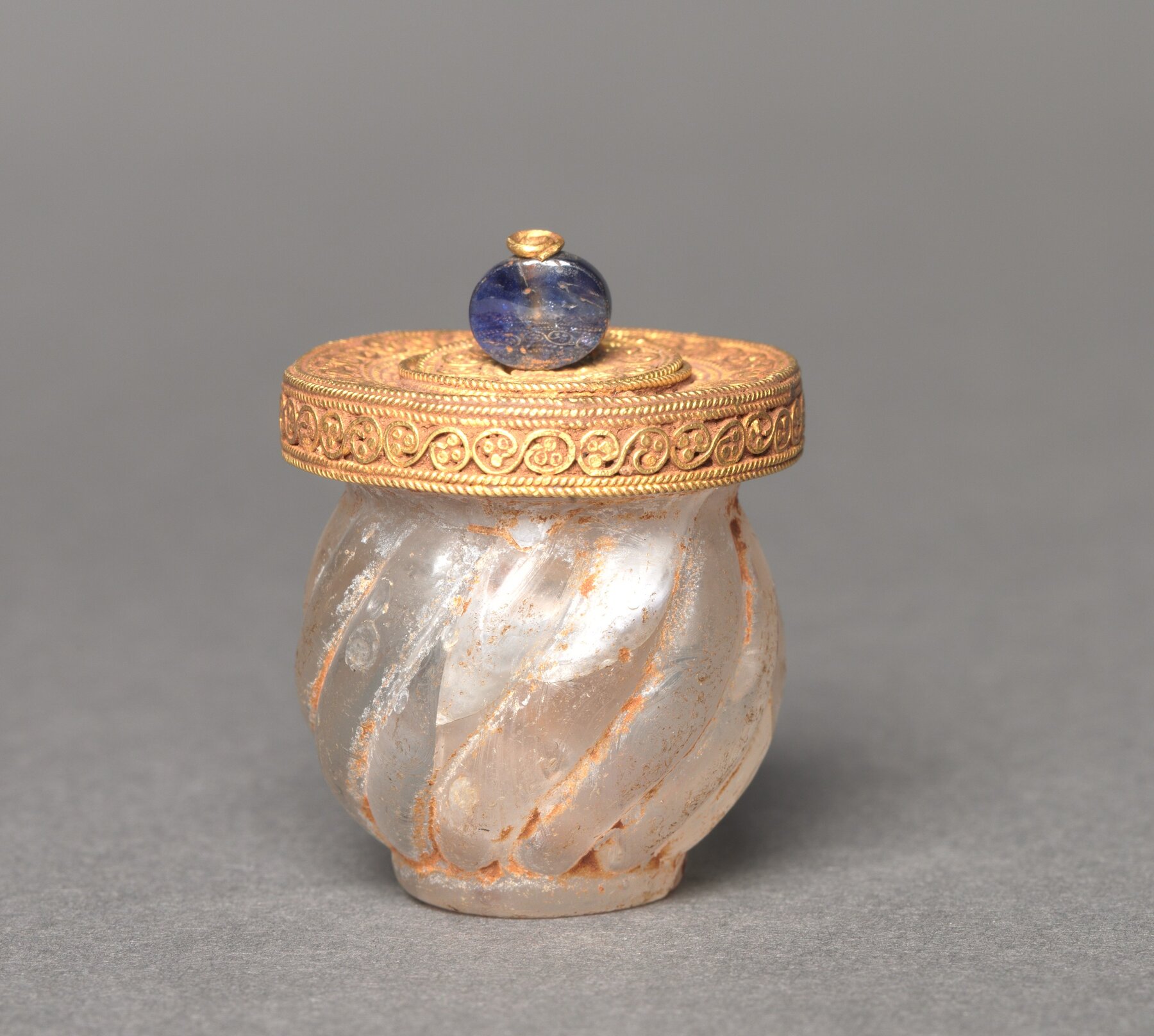
Cosmetic Jar with a Lid
A small lidded jar in costly materials, made for a substance that has not survived. It is evidence of a trade in things that leave no trace.
Browse
The whole collection at a glance. Nothing is cropped to a common square: a tall scroll stays tall and a wide dish stays wide. Hover over a picture to read about it.
A small lidded jar in costly materials, made for a substance that has not survived. It is evidence of a trade in things that leave no trace.
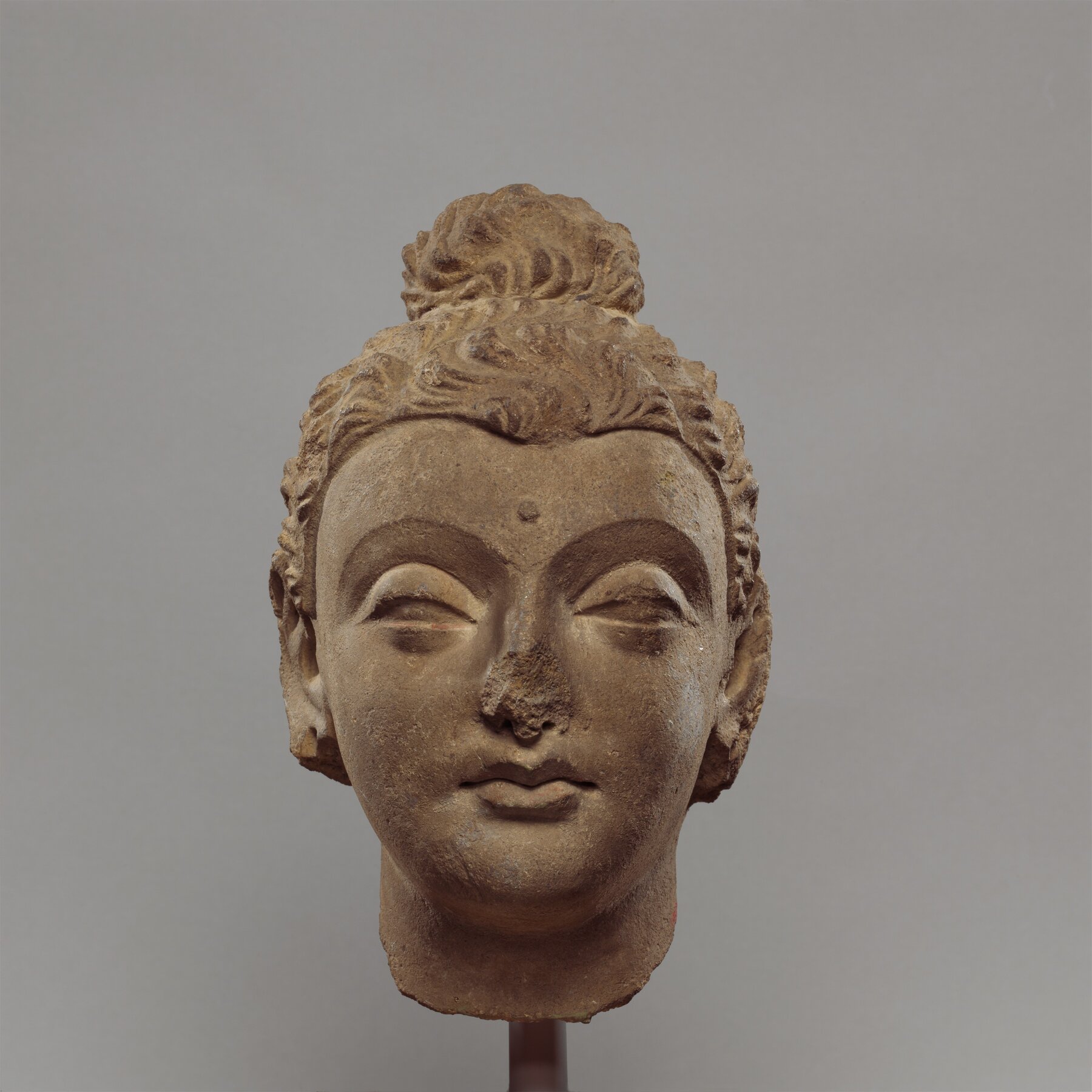
A stucco head in which a South Asian subject is carved with Greek sculptural habits, a single object holding two traditions at once.
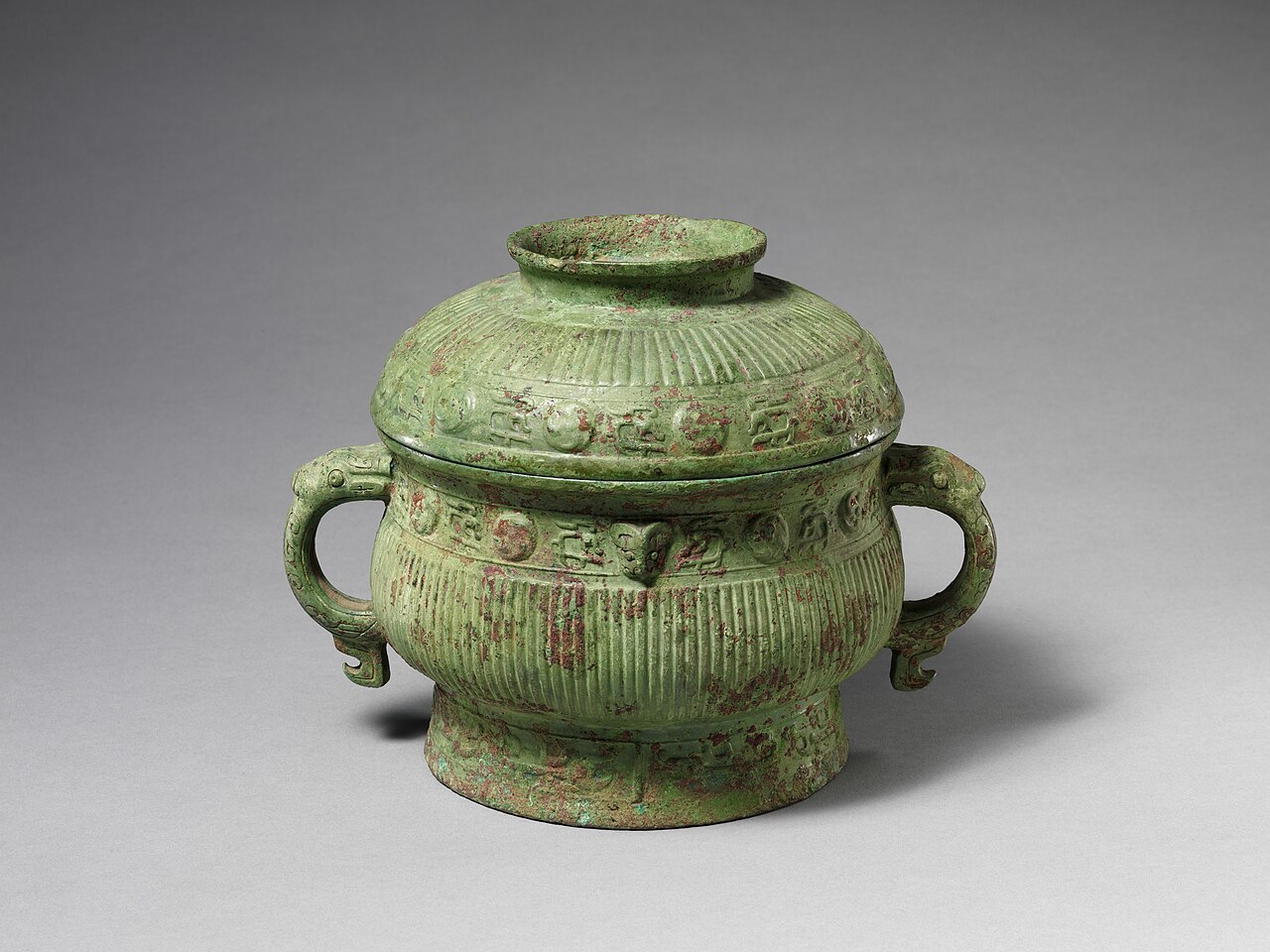
A bronze bowl made to hold offerings of grain, cast for rituals that tied a family to its ancestors and to the king.
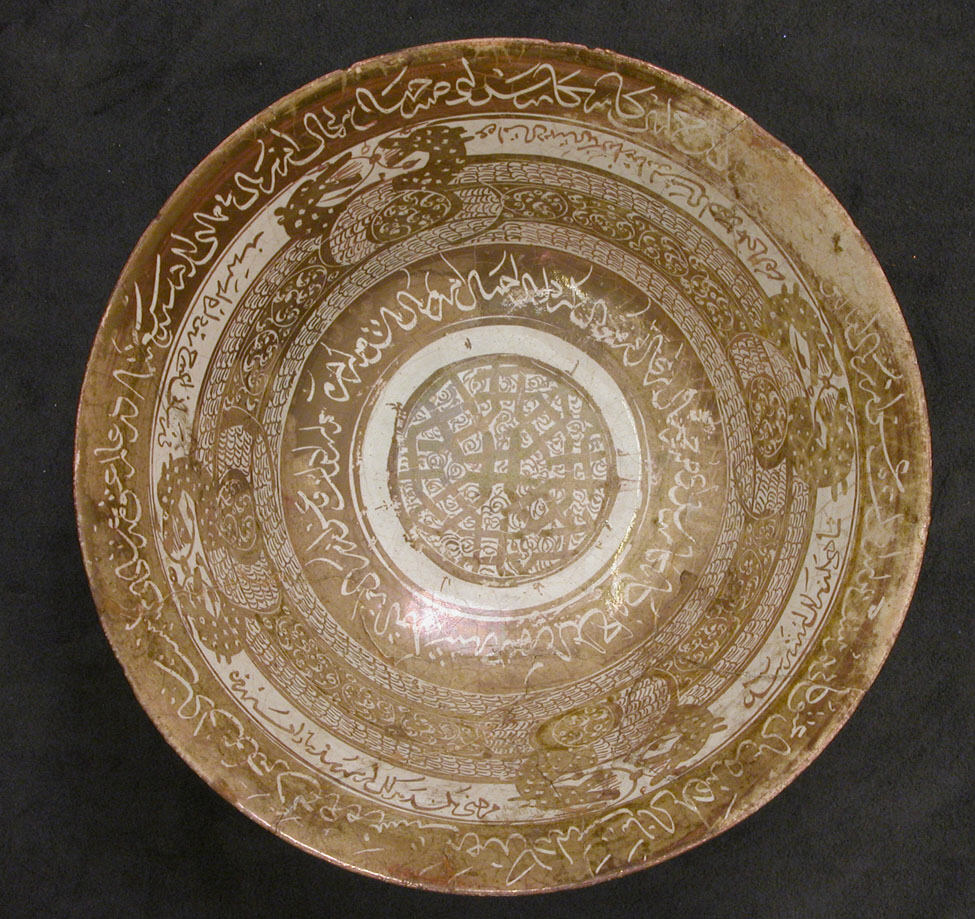
Coiled dragons meet at the centre of a glazed bowl, in a motif read by some scholars as a device against eclipses.
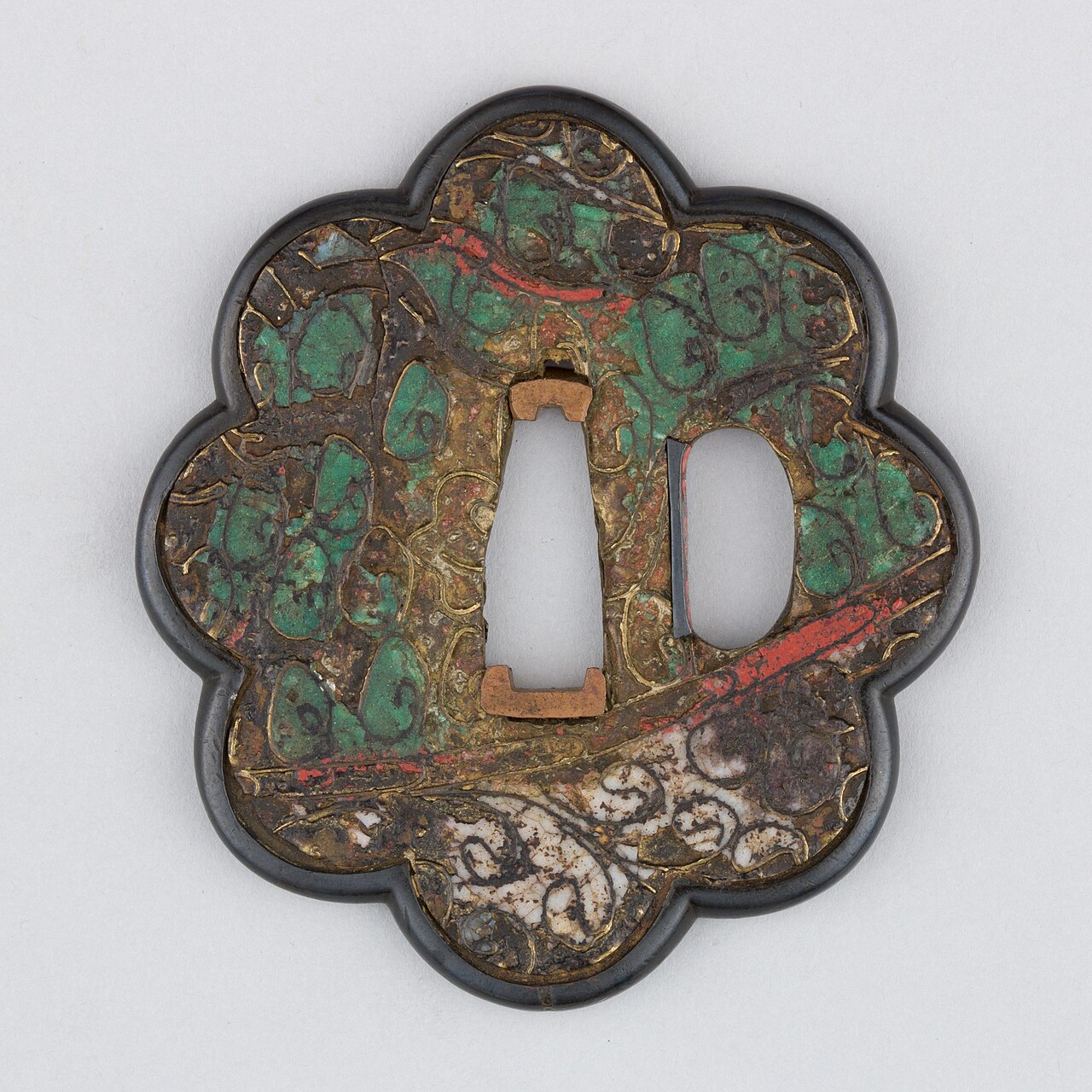
A palm-sized disc of metal that sits between a blade and a hand. In a peaceful age, the tsuba became a place for a samurai to show taste.
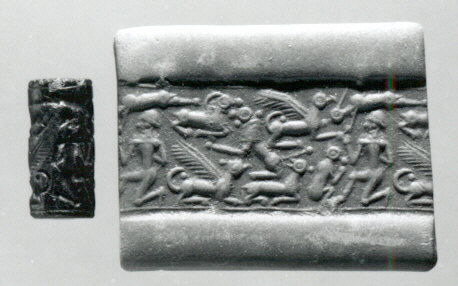
A tiny stone cylinder that signed documents by rolling. Its crowded scene of heroes and beasts only appears when the seal is pressed into clay.
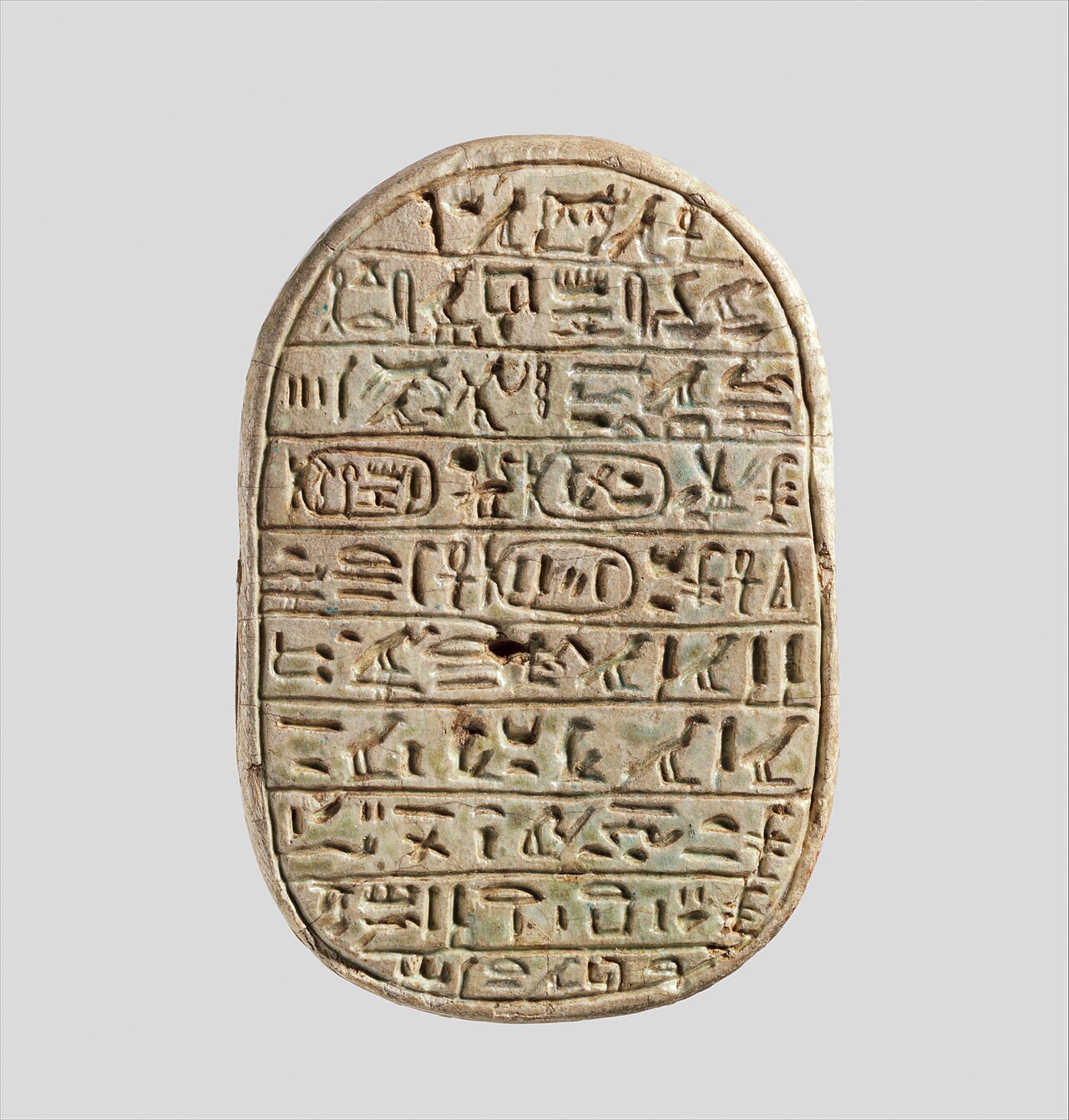
A palm-sized beetle carved with a news bulletin. Pharaoh Amenhotep III used scarabs to announce his marriage to Queen Tiye across the known world.
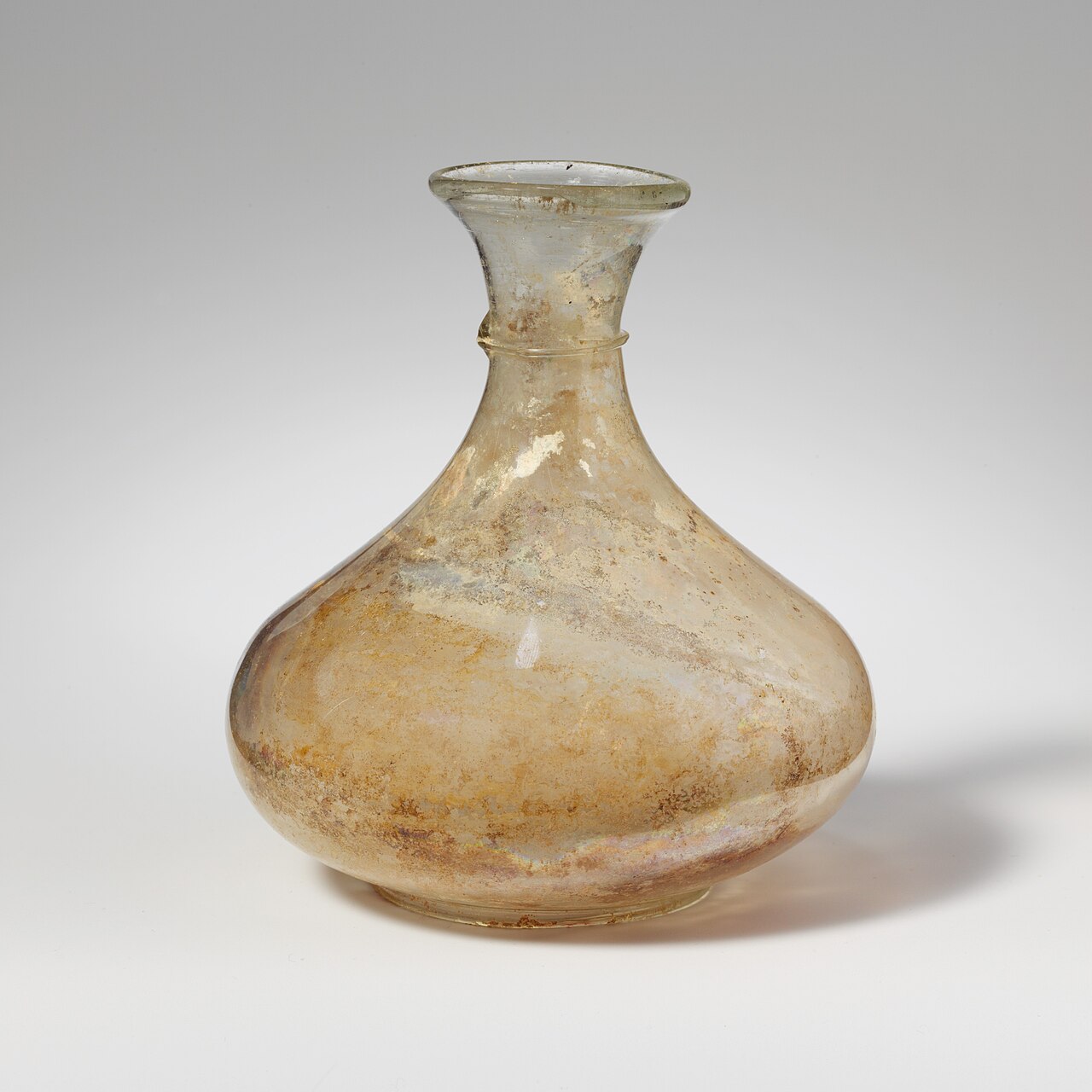
Blown glass made everyday storage light, cheap and see-through. This flask belongs to the first age when a bottle could be a throwaway object.
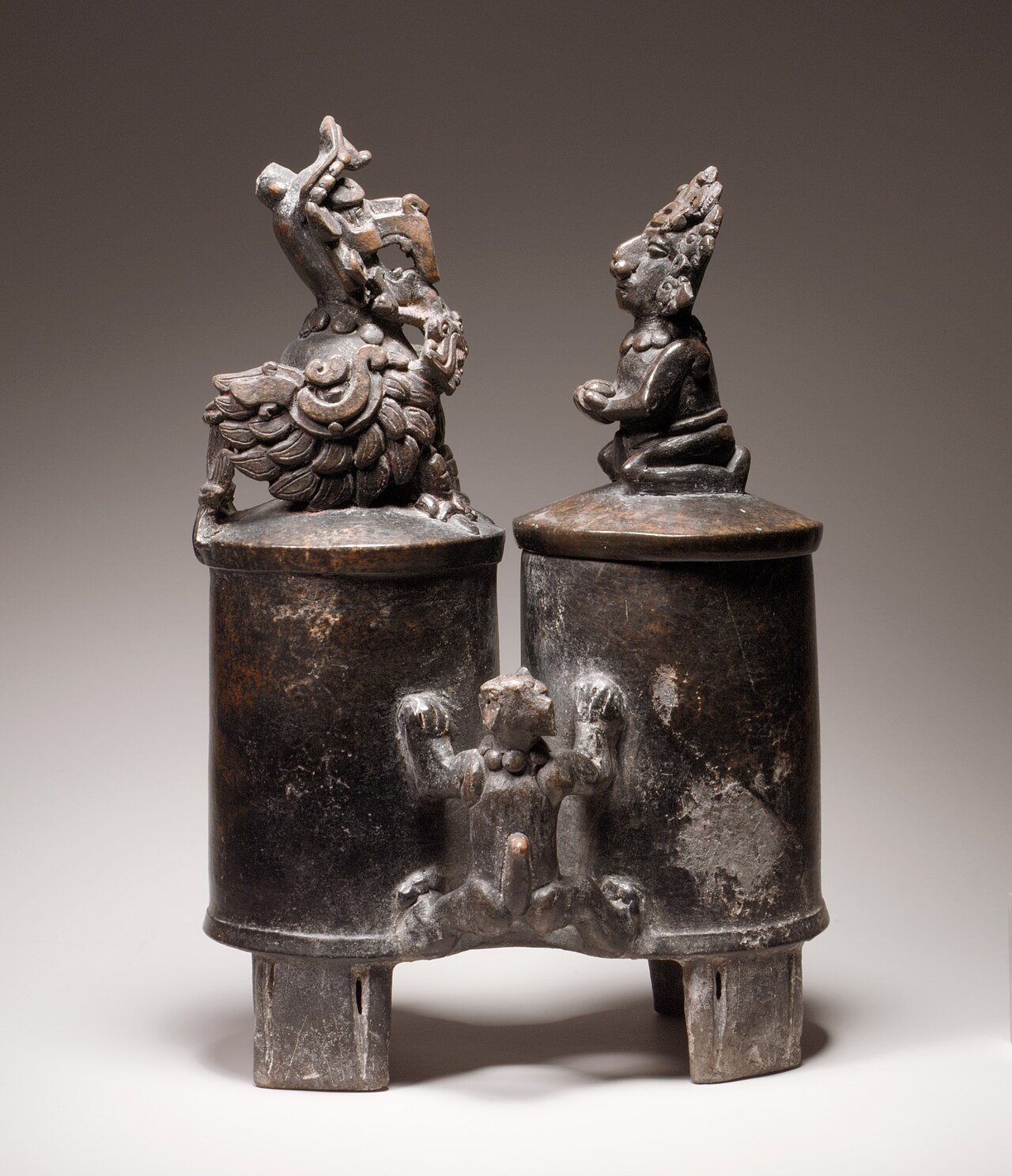
Two chambers share one lid in a ceramic that may have held chocolate or offerings, made in the Maya world over a thousand years before the first European arrived.
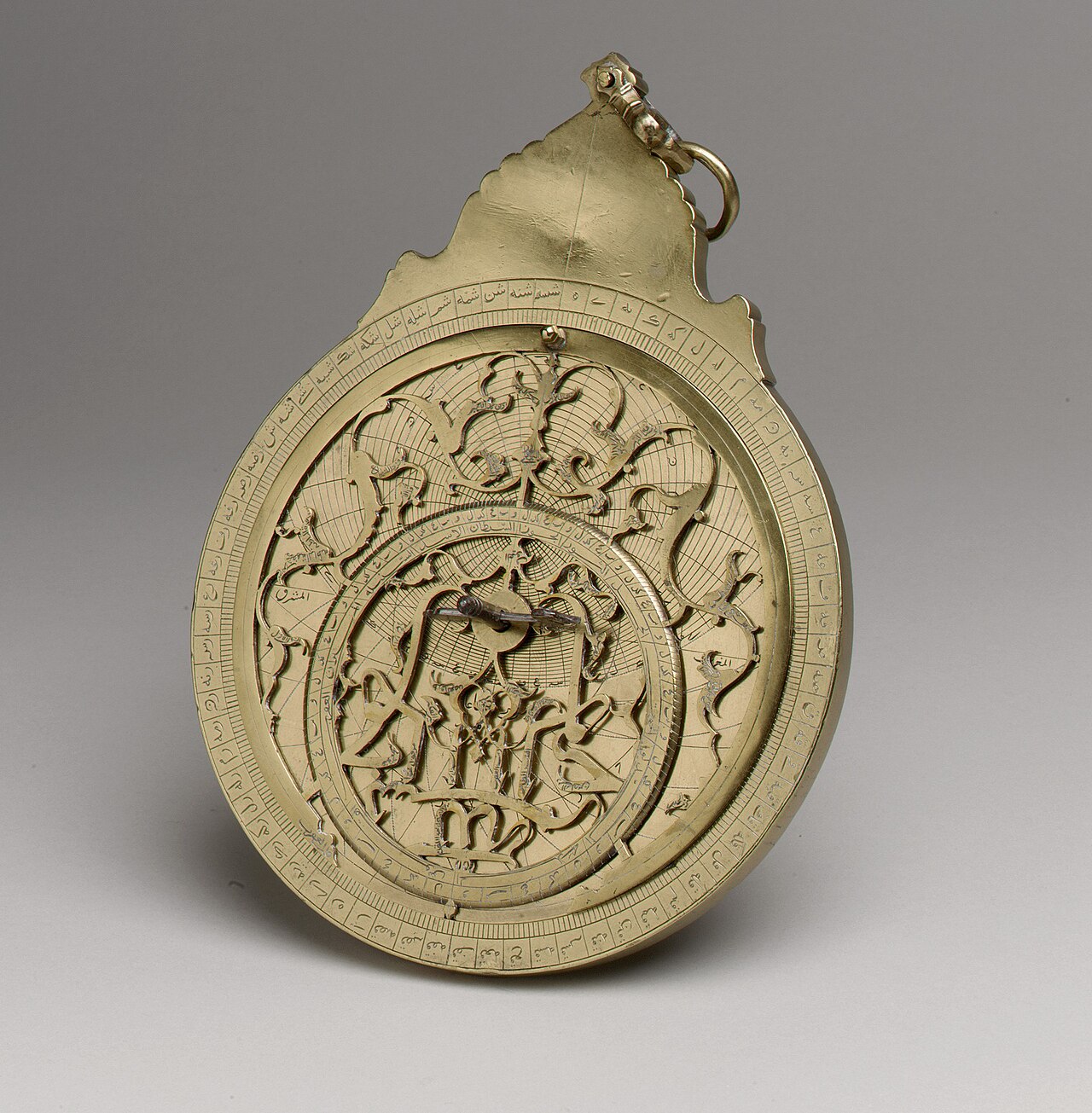
A pocket model of the sky in brass. With it an astronomer could tell the time, find the direction of Mecca and predict where a star would rise.