Across time
Timeline
Four thousand years in one scroll. Objects are placed by the year: line in their front matter, so a new object finds its own place in the sequence.
Before 500 BCE
-
about 1390-1352 BCE
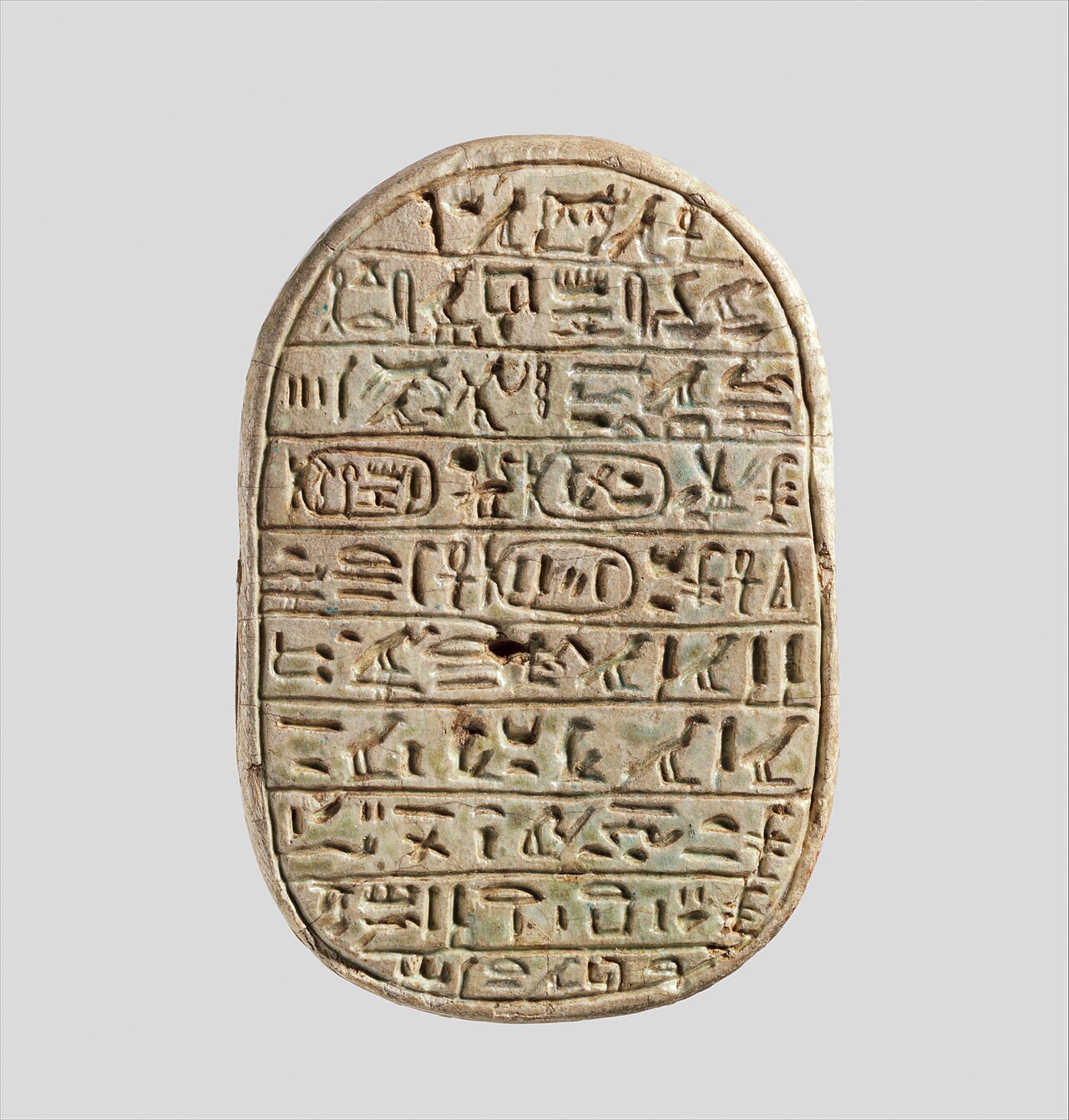 Scarab Commemorating a Royal Marriage
Egypt (New Kingdom, Dynasty 18)
A palm-sized beetle carved with a news bulletin. Pharaoh Amenhotep III used scarabs to announce his marriage to Queen Tiye across the known world.
-
15th-14th century BCE
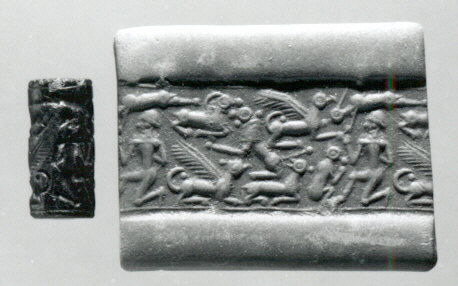 Mitanni Cylinder Seal
Northern Mesopotamia (Mitanni kingdom)
A tiny stone cylinder that signed documents by rolling. Its crowded scene of heroes and beasts only appears when the seal is pressed into clay.
-
late 11th-early 10th century BCE
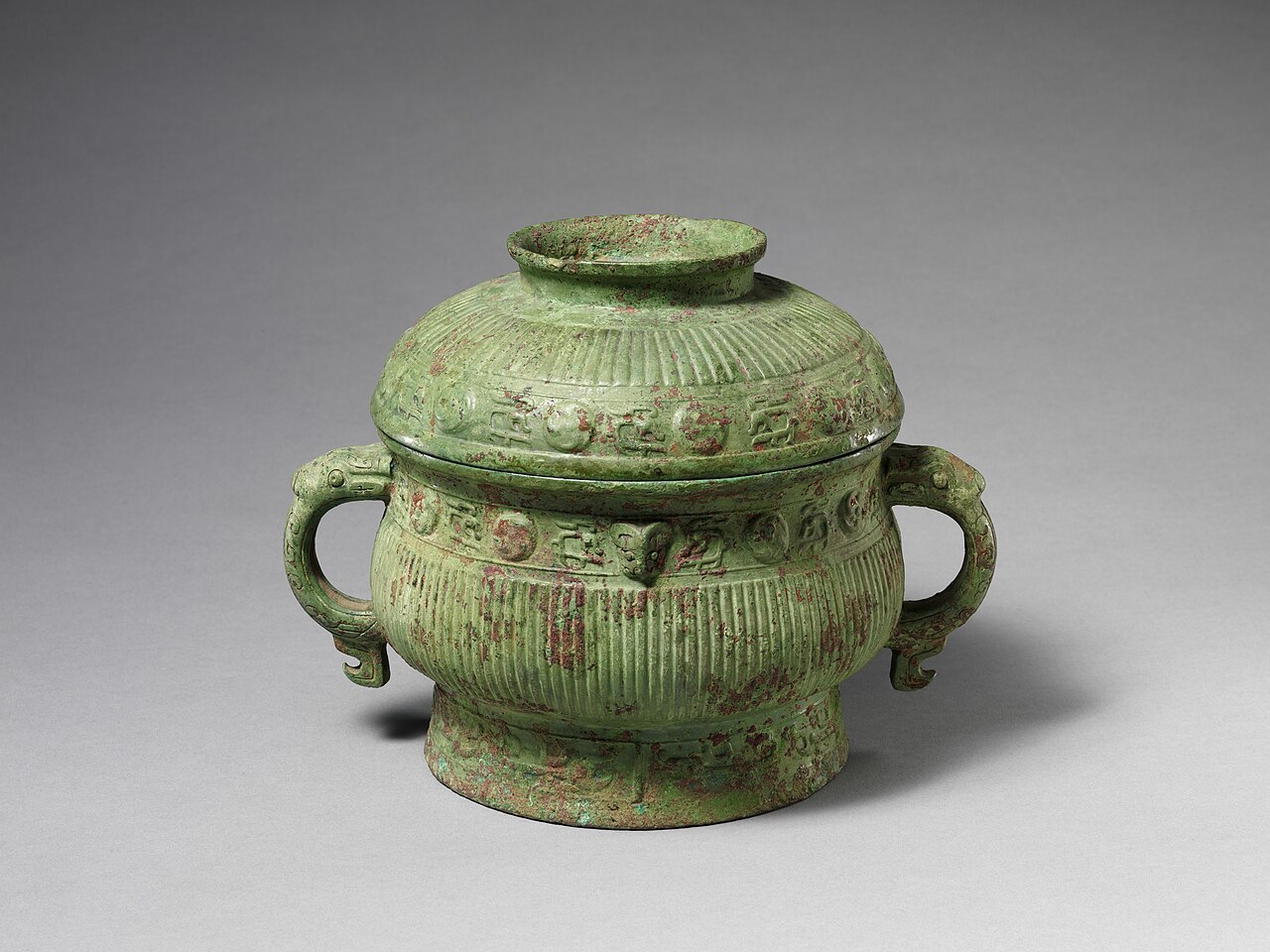 Ritual Grain Vessel (Gui)
China (Western Zhou dynasty)
A bronze bowl made to hold offerings of grain, cast for rituals that tied a family to its ancestors and to the king.
500 BCE to 500 CE
-
3rd century CE
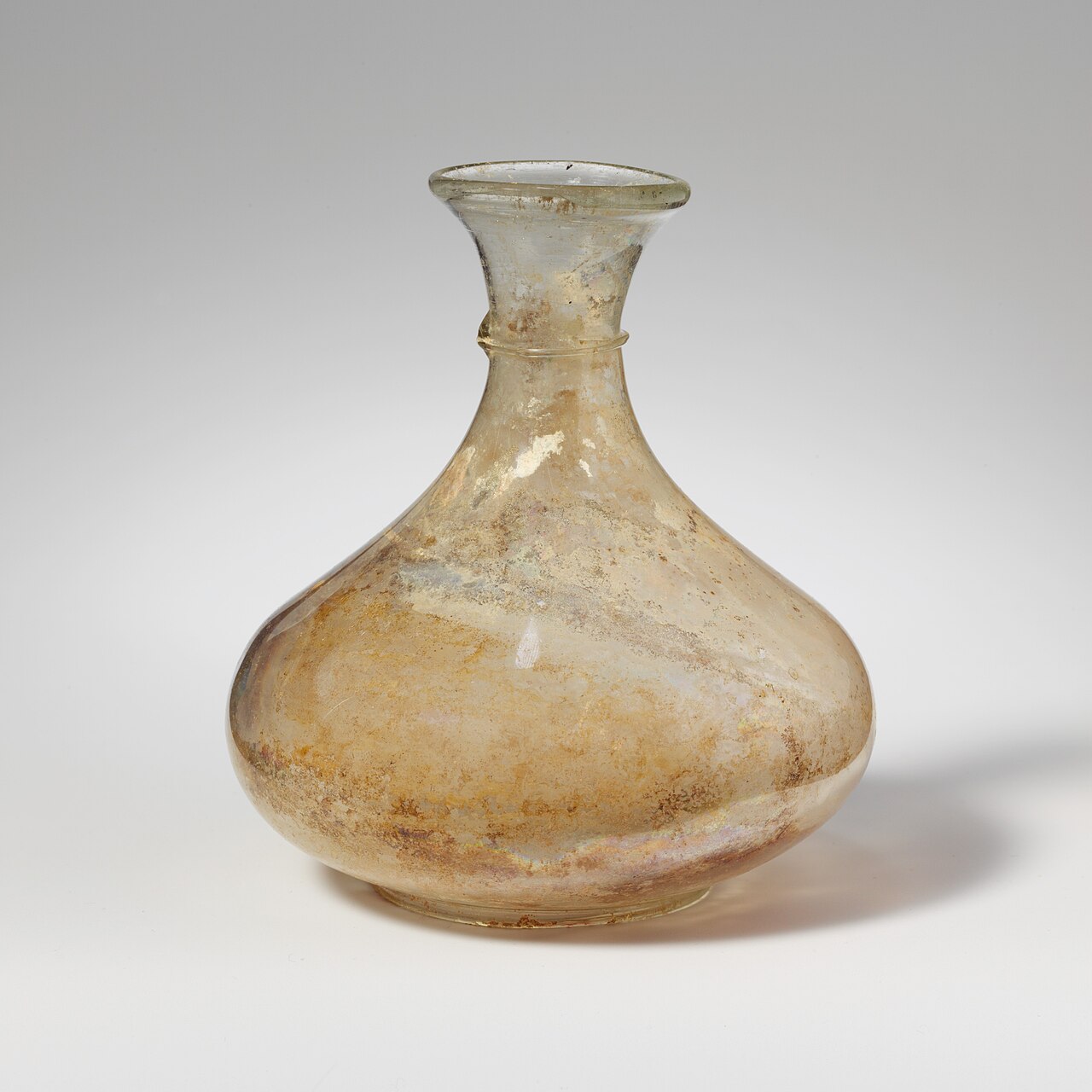 Roman Glass Flask
Eastern Mediterranean, Roman period
Blown glass made everyday storage light, cheap and see-through. This flask belongs to the first age when a bottle could be a throwaway object.
-
4th–5th century CE
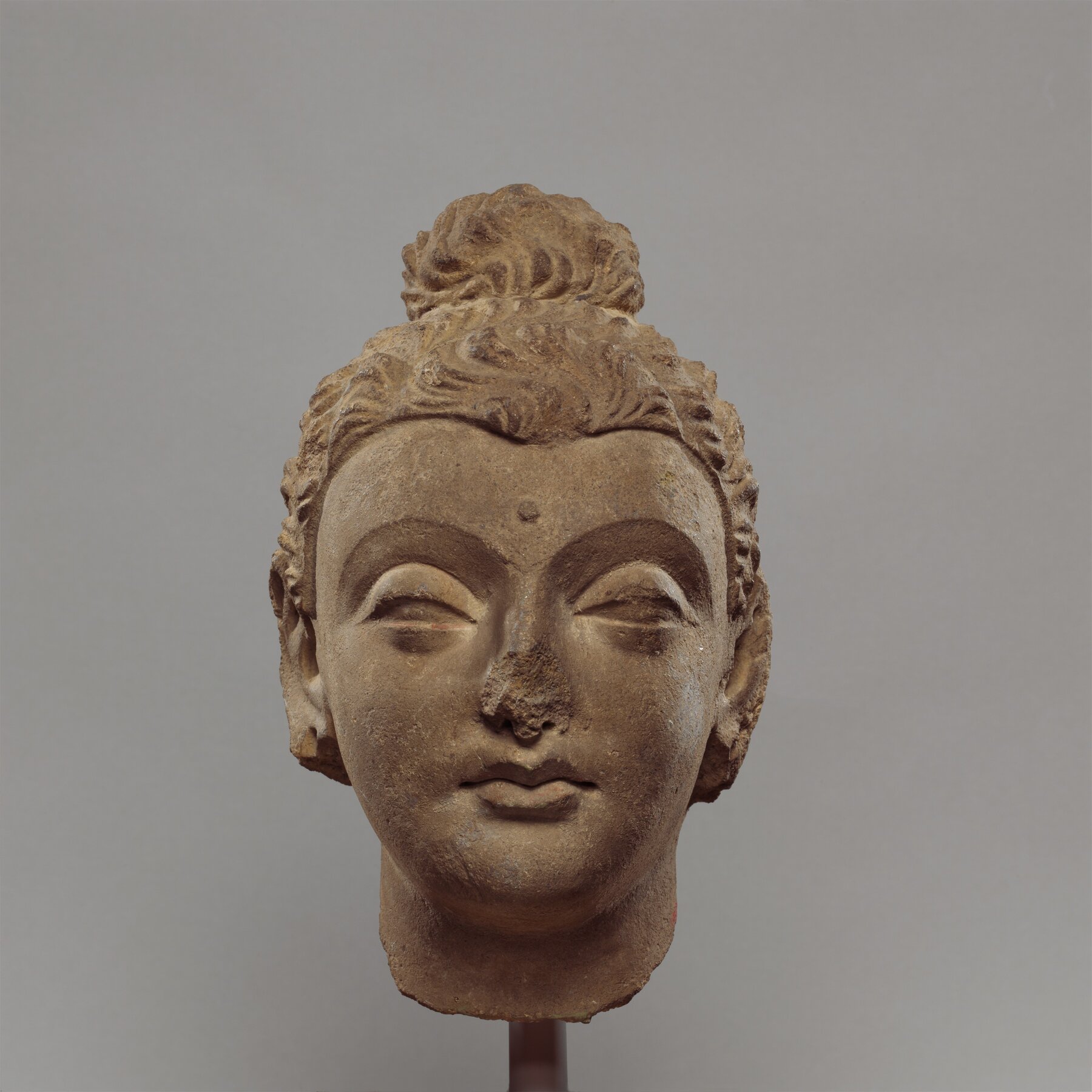 Head of the Buddha
Gandhara (present-day Pakistan)
A stucco head in which a South Asian subject is carved with Greek sculptural habits, a single object holding two traditions at once.
-
about 5th century CE
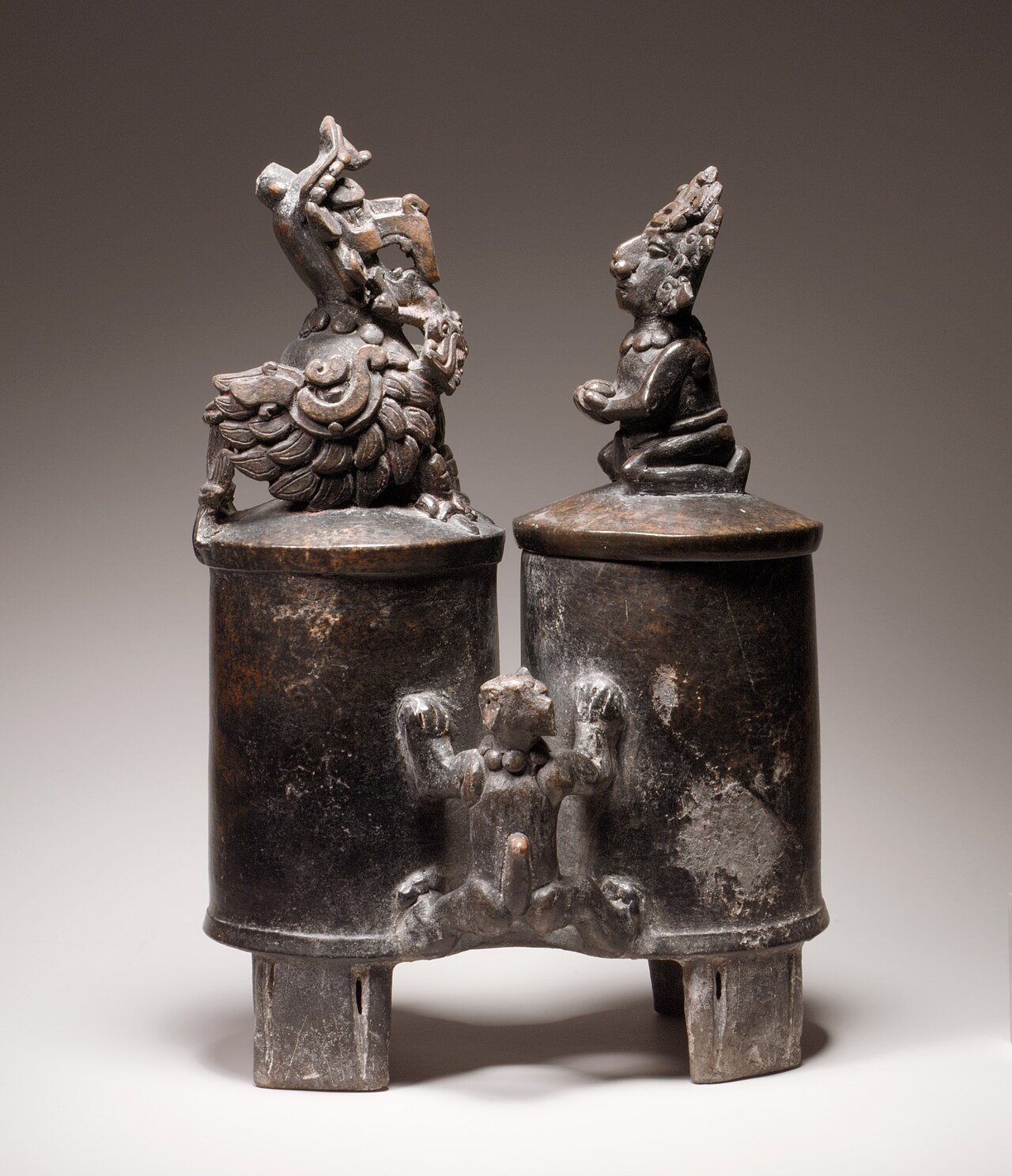 Double-Chambered Maya Vessel
Maya region (present-day Guatemala)
Two chambers share one lid in a ceramic that may have held chocolate or offerings, made in the Maya world over a thousand years before the first European arrived.
500 to 1500 CE
-
6th century CE
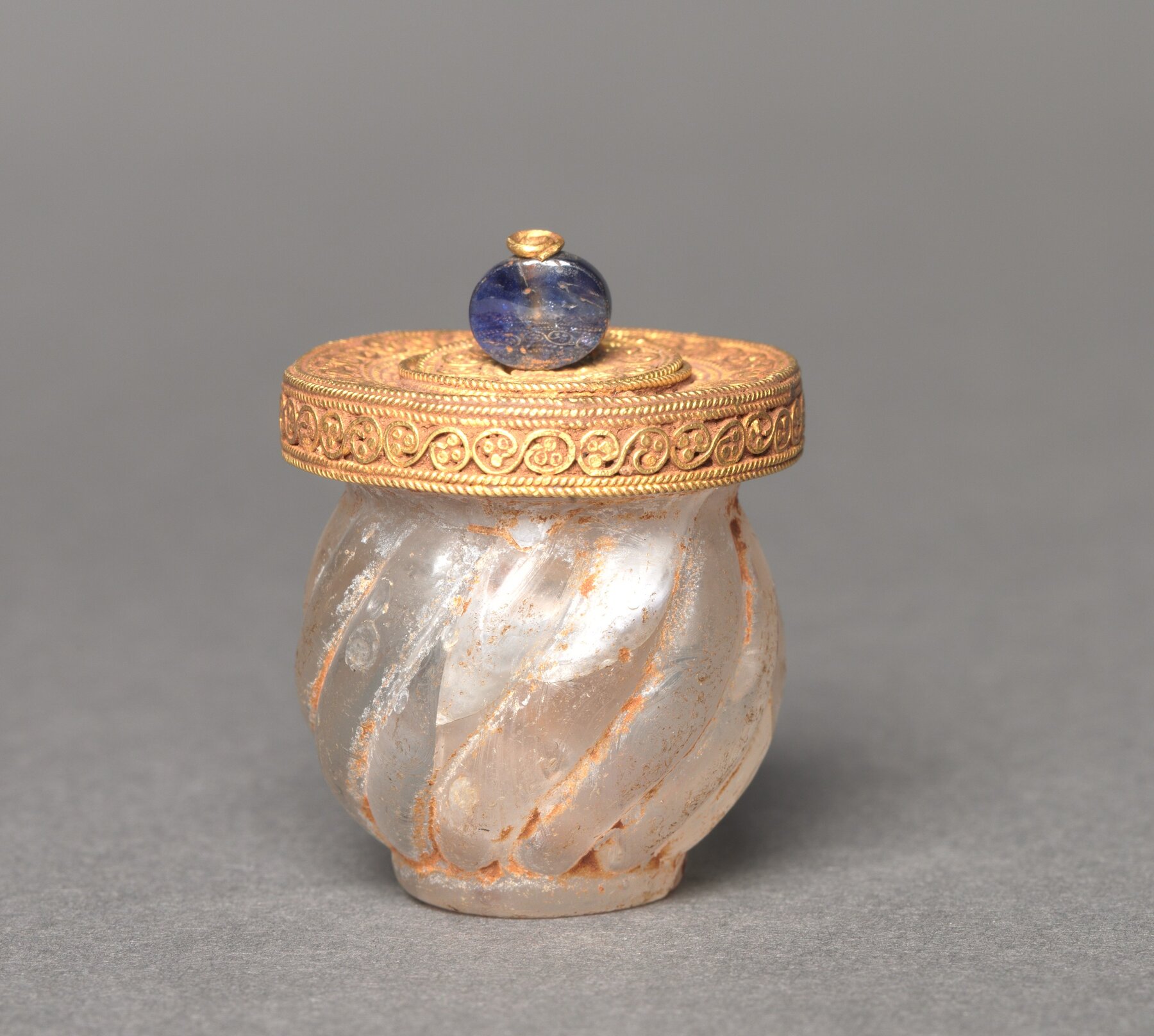 Cosmetic Jar with a Lid
Constantinople (present-day Istanbul)
A small lidded jar in costly materials, made for a substance that has not survived. It is evidence of a trade in things that leave no trace.
-
607 AH / 1210 CE
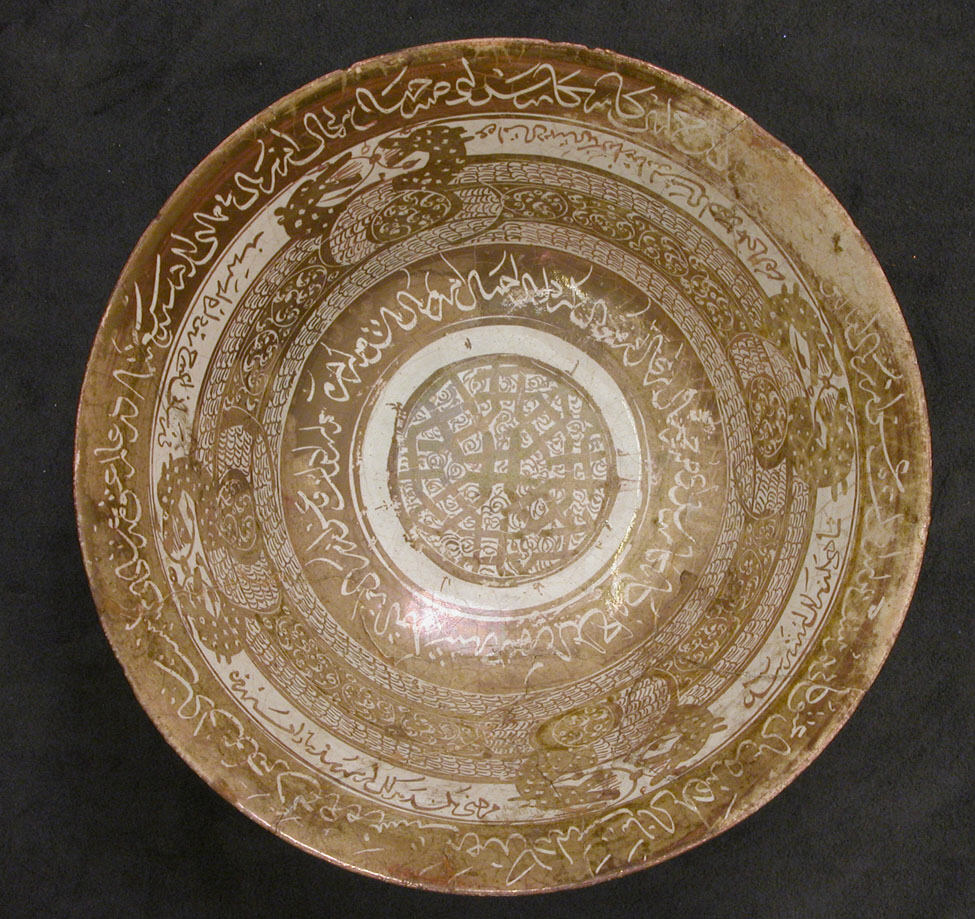 Bowl with Dragons
Tabriz, Iran
Coiled dragons meet at the centre of a glazed bowl, in a motif read by some scholars as a device against eclipses.
After 1500 CE
-
AH 1065 / 1654-55 CE
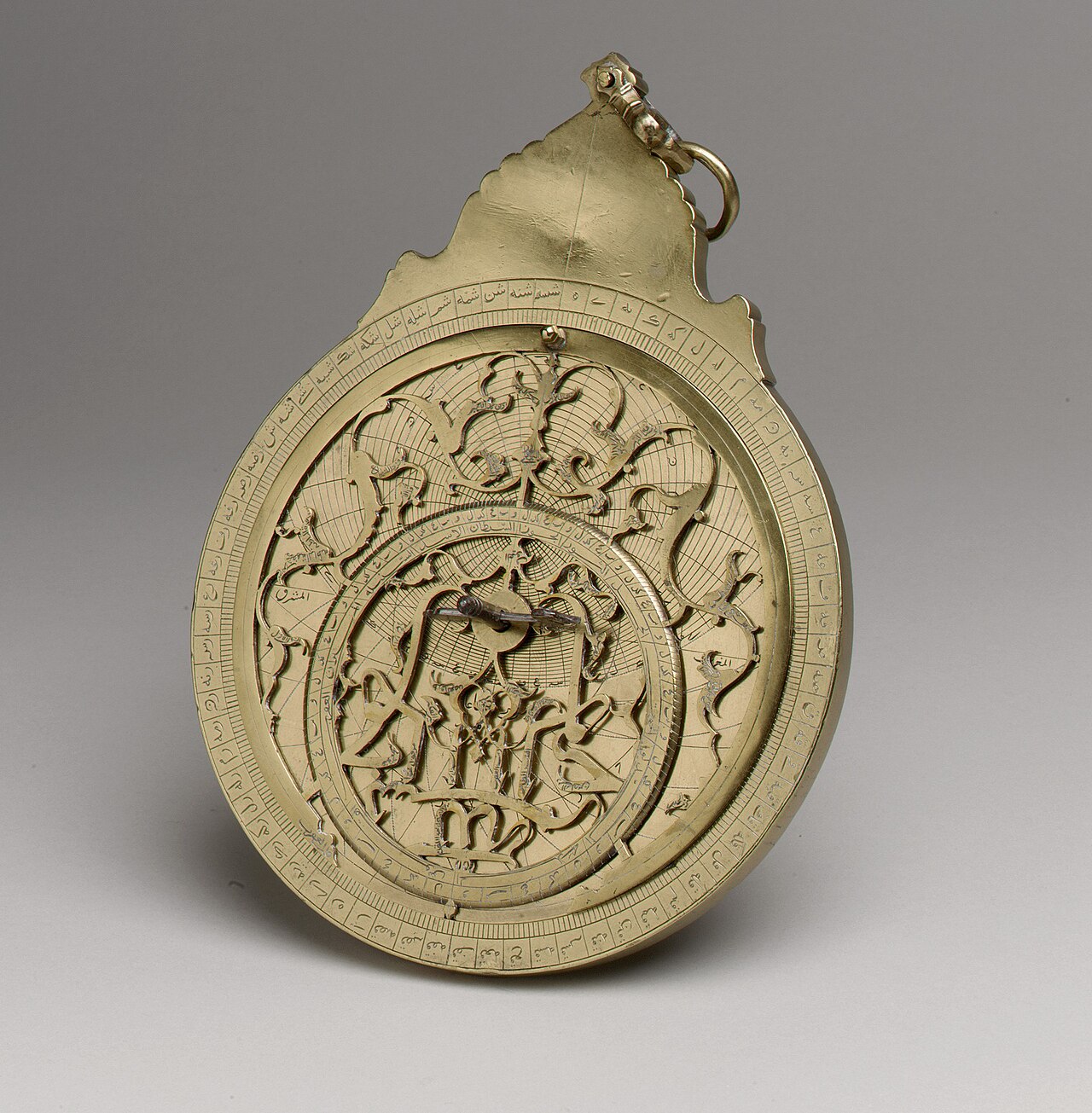 Planispheric Astrolabe
South Asia, Mughal period
A pocket model of the sky in brass. With it an astronomer could tell the time, find the direction of Mecca and predict where a star would rise.
-
17th-18th century CE
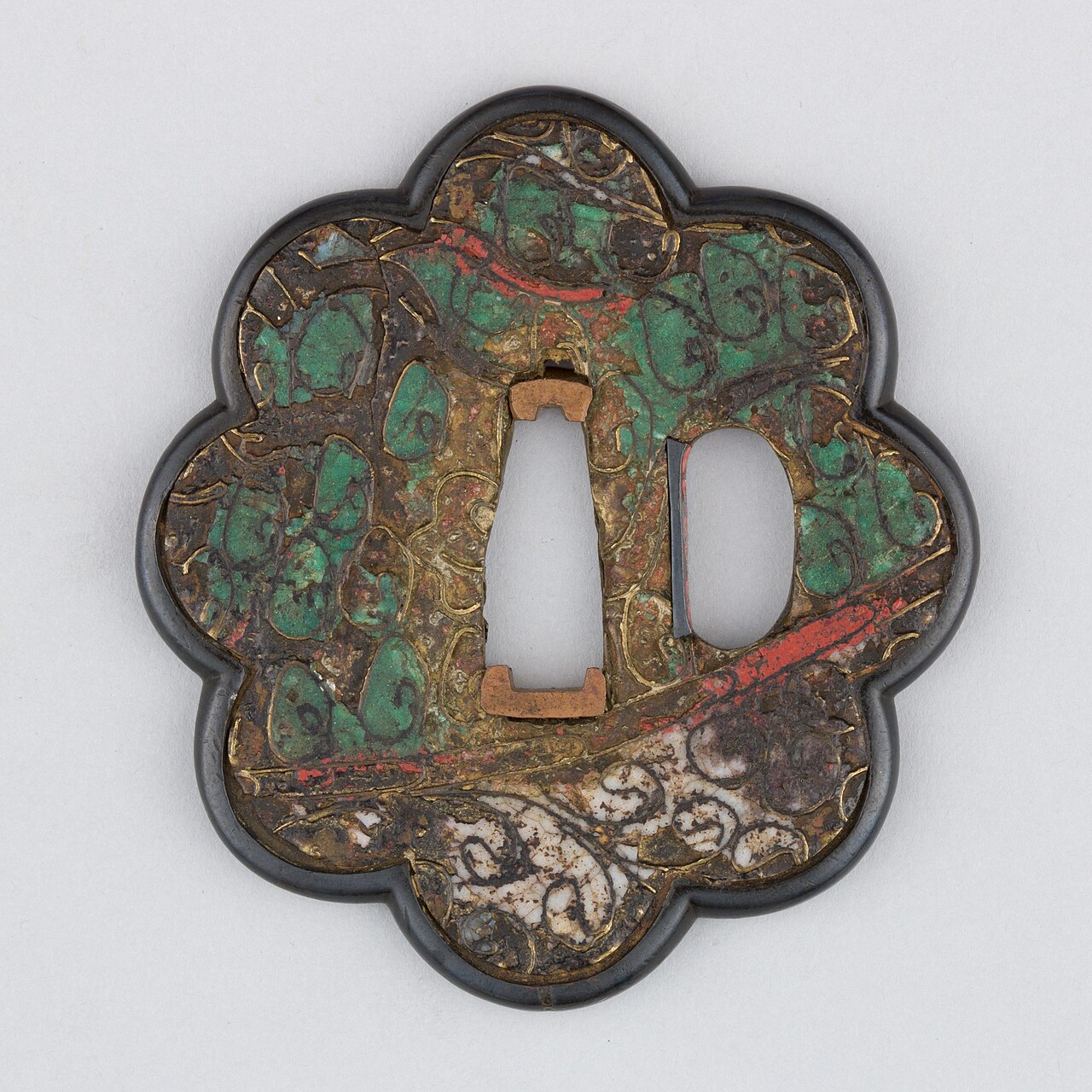 Sword Guard (Tsuba)
Japan (Edo period)
A palm-sized disc of metal that sits between a blade and a hand. In a peaceful age, the tsuba became a place for a samurai to show taste.